
Resources
Application notes
Engineering analyses of the design problems that decide whether a miniature joint works — the mechanics first, the part second.
How these are written
The mechanism, then the part
Each note takes a failure mode that appears in miniature assemblies and works through why it happens, before recommending a fastener. No customer is named and no result is presented as a measured outcome, because these are engineering analyses rather than case studies.
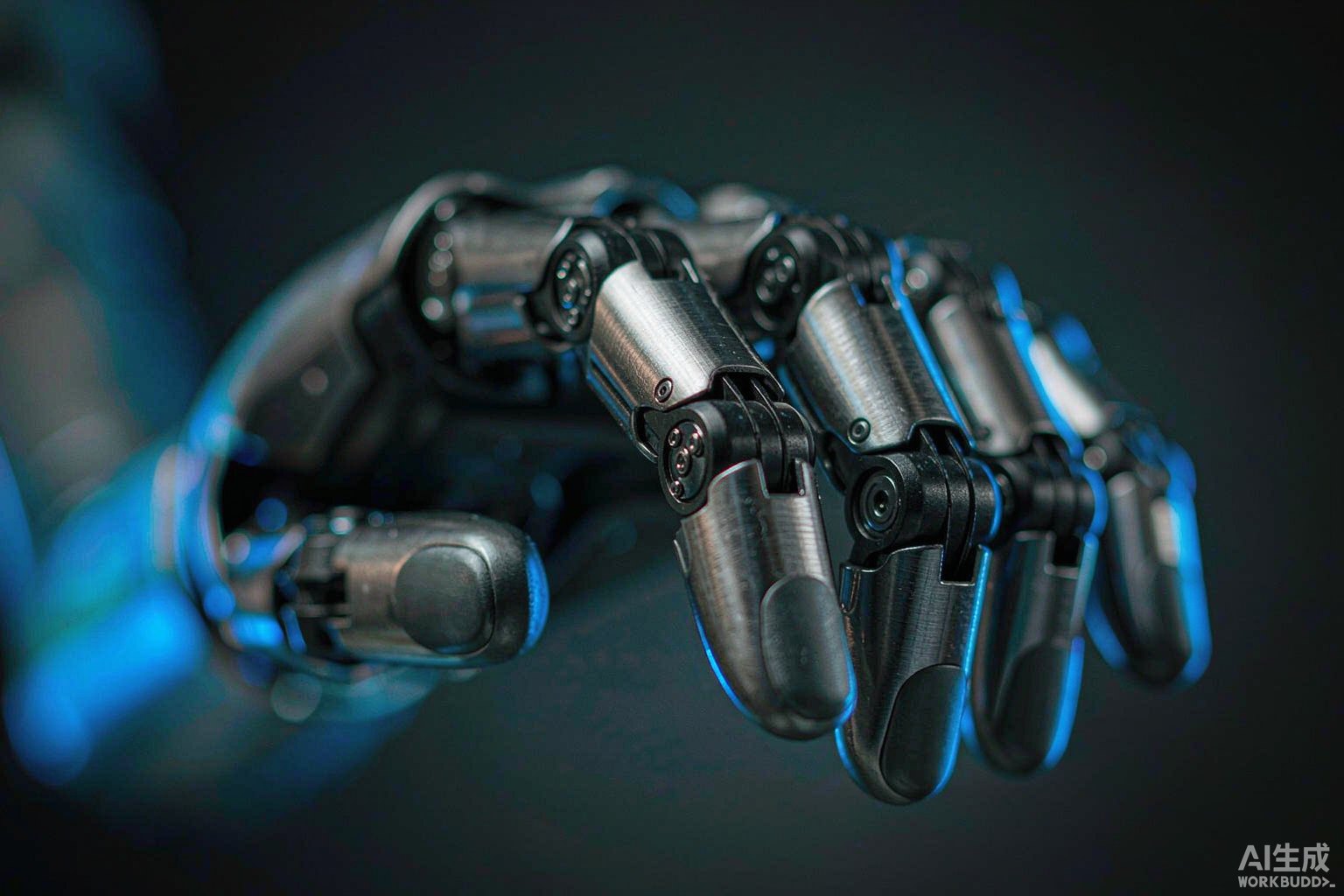
01 · Embodied Intelligence
Keeping play out of a finger joint
Play in a dexterous finger usually starts at the pivot, not at the screw thread. A short engineering look at why a shoulder screw behaves differently from a plain screw in a rotating joint.
3-in-1
Connection, location, rotation
Shank
The working surface in a pivot
2 causes
Oval bore, lost preload
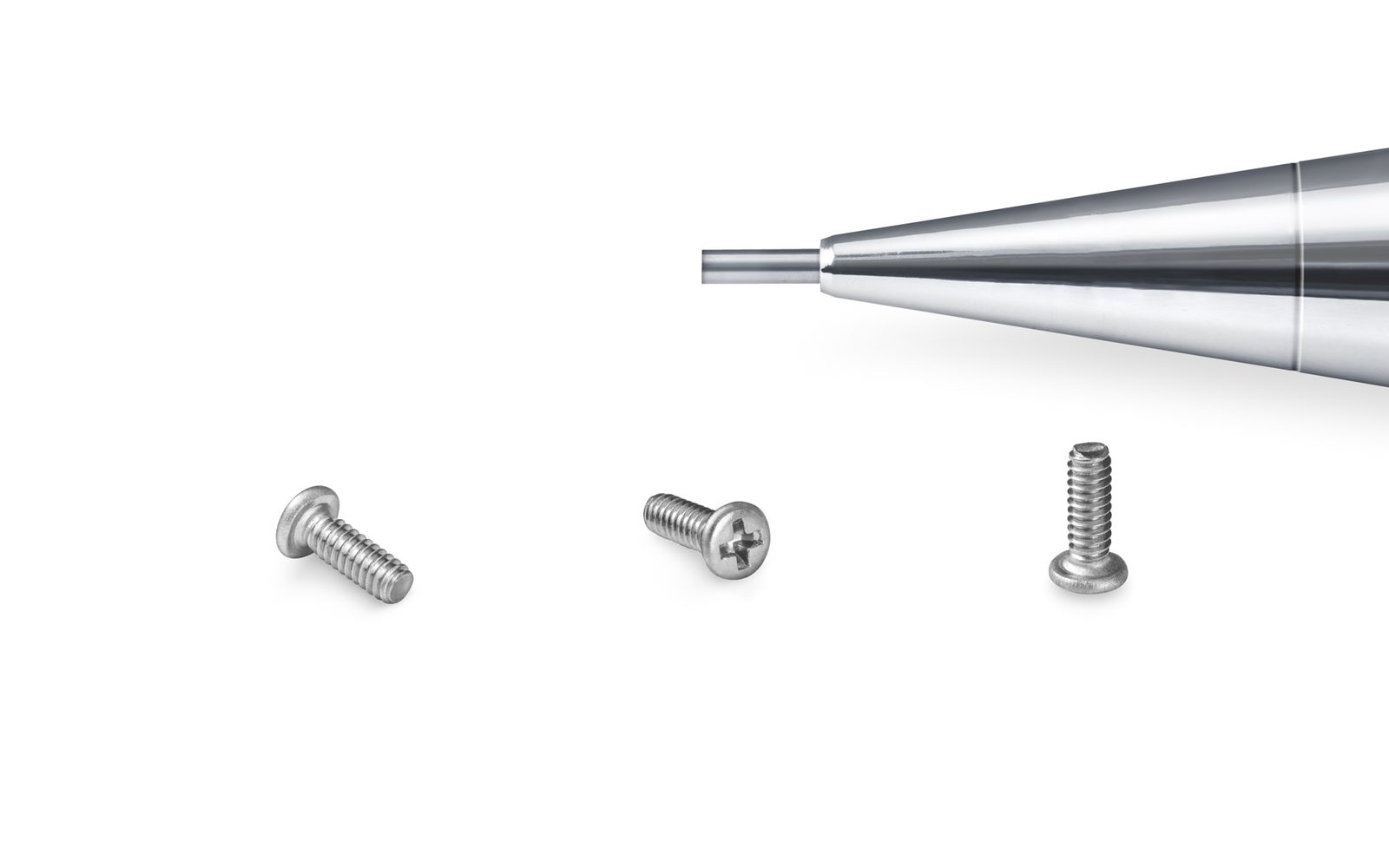
02 · Consumer Electronics
When the stack height is already fixed
In a thin device the fastener is usually the last thing chosen and the first thing that has to give. How head form and drive choice recover height without changing the screw diameter.
3
Head forms in production
F / P / C
Countersunk, small pan, pan
M0.6–M2.0
Catalogue range
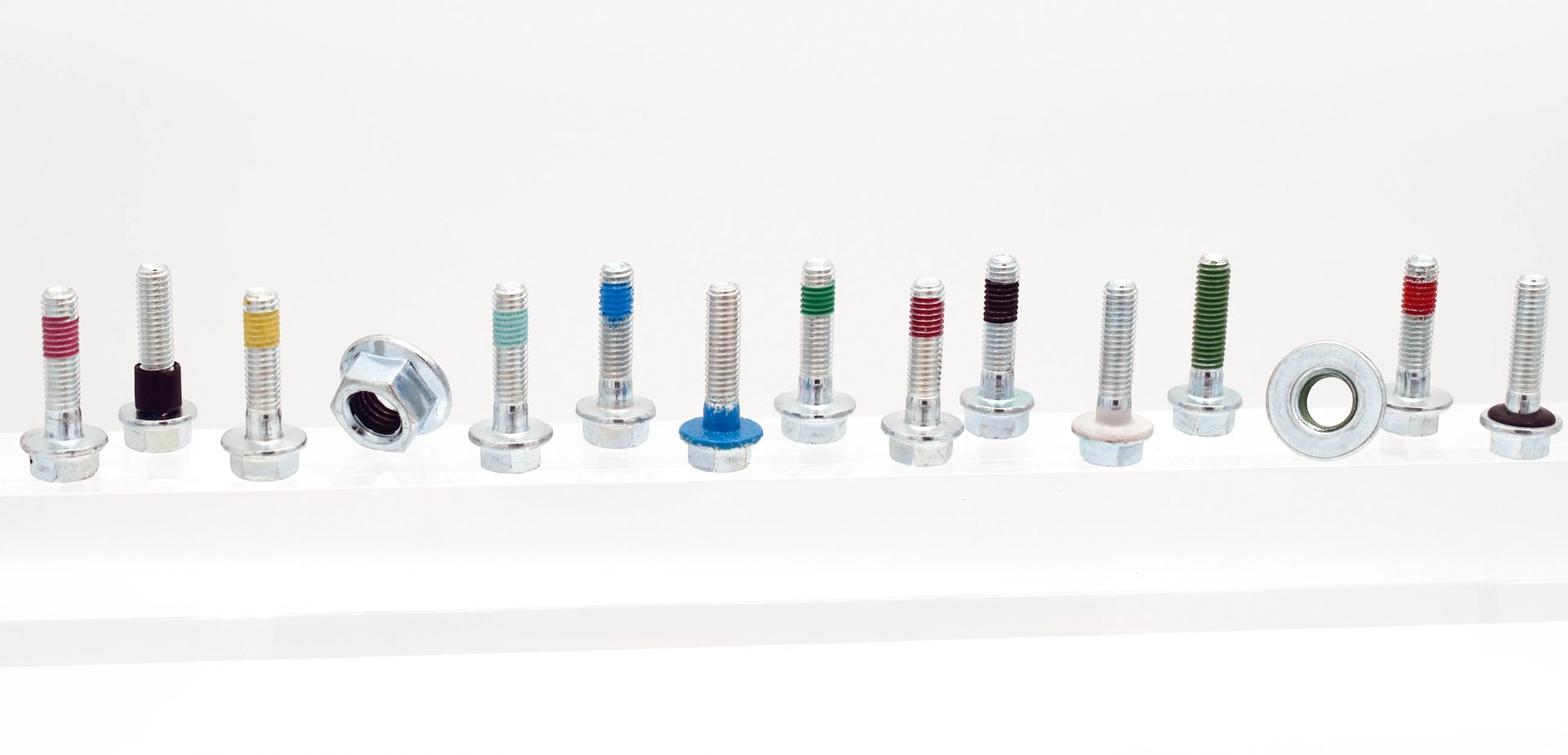
03 · New Energy Vehicles
Why a hot joint loses preload
A joint that holds torque on the bench can relax in service, because steel and aluminium expand at different rates. What the material choice does to preload at temperature.
150 °C
Aluminium bolt service temperature
>96%
Preload loss, steel bolt at 150 °C
40–55%
Preload loss, aluminium bolt
Have a joint that will not stay tight?
Send the assembly drawing and the service conditions. The answer usually starts with which mechanism is relaxing the joint.