Manufacturing in Bekasi, West Java — Indonesia ISO 9001 · IATF 16949 · ISO 14001 · ISO 45001

Pins & Spacers

Standoffs & PCB Hardware

Board stacking, soldered threads and high-current terminals

SolderableTape & reelHeight spacingHigh-current terminals
PCB standoff and board-level hardware Board-level hardware · Pins & Spacers

Overview

Standoffs & PCB Hardware from Board-level hardware

A PCB stack is a mechanical assembly as much as an electrical one. The distance between boards decides whether connectors mate without stress, and the thread that a screw enters has to survive the assembly torque without pulling the copper off the board. Standoffs and board-level hardware exist to solve both problems at once.

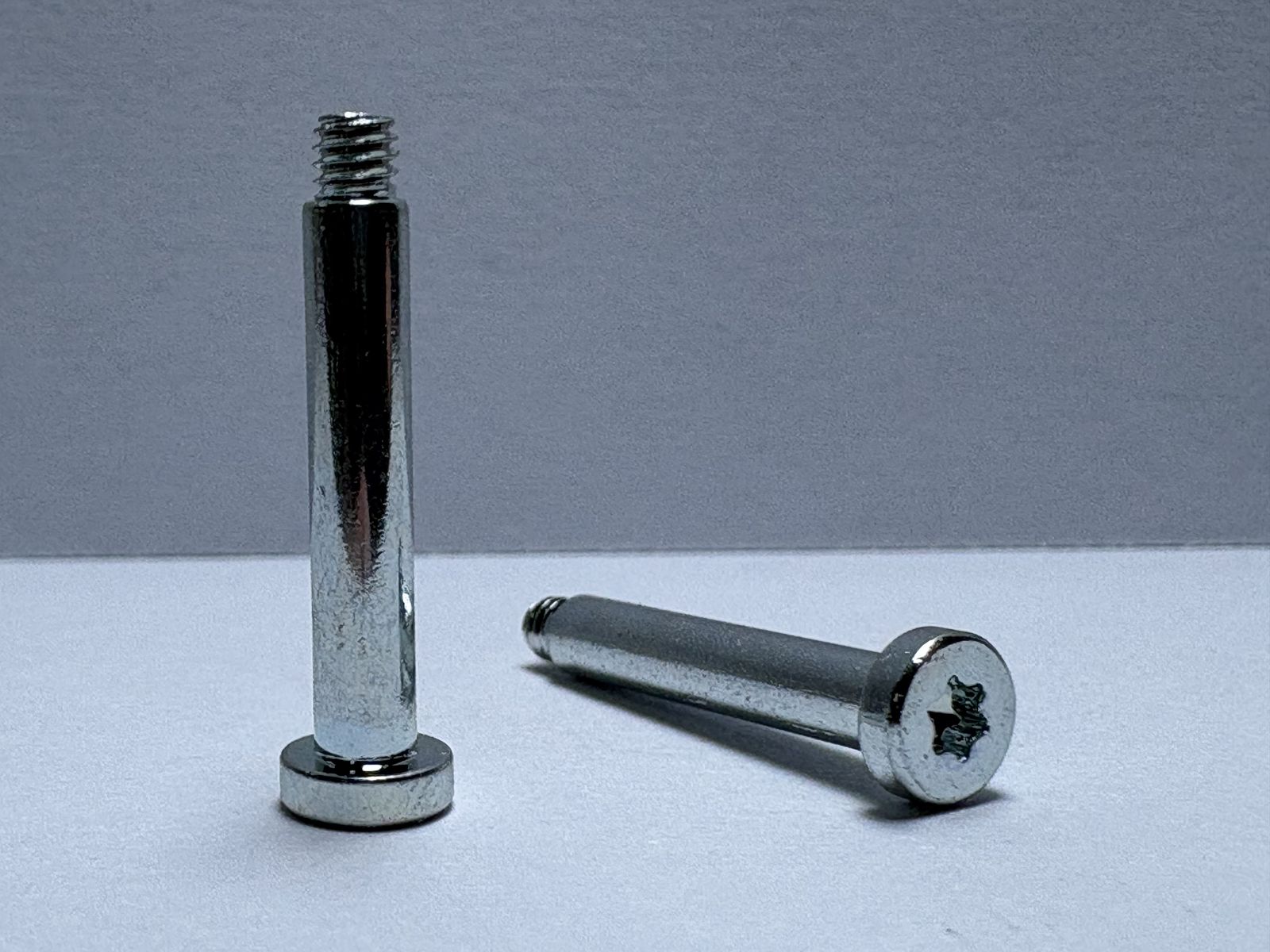
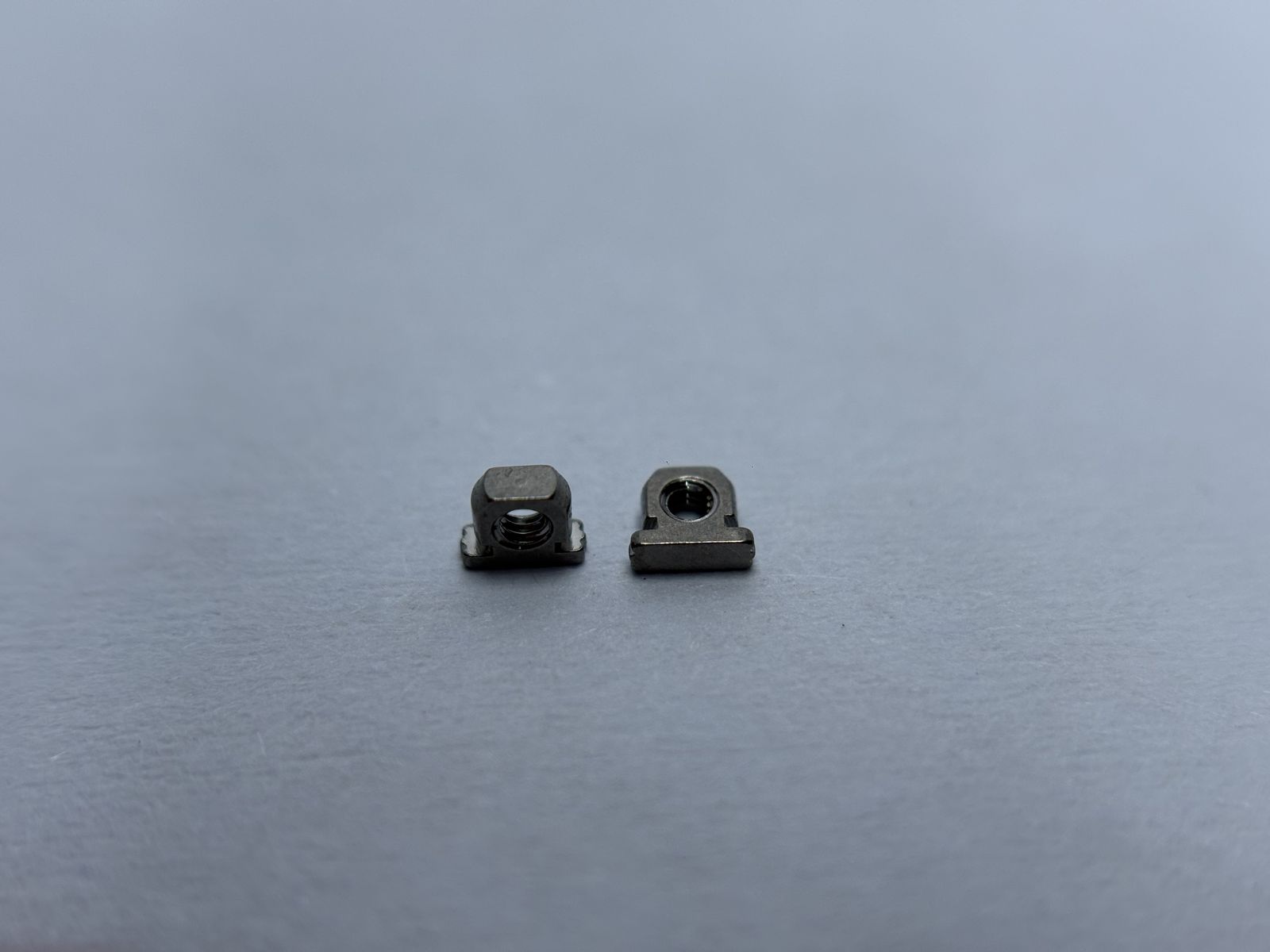
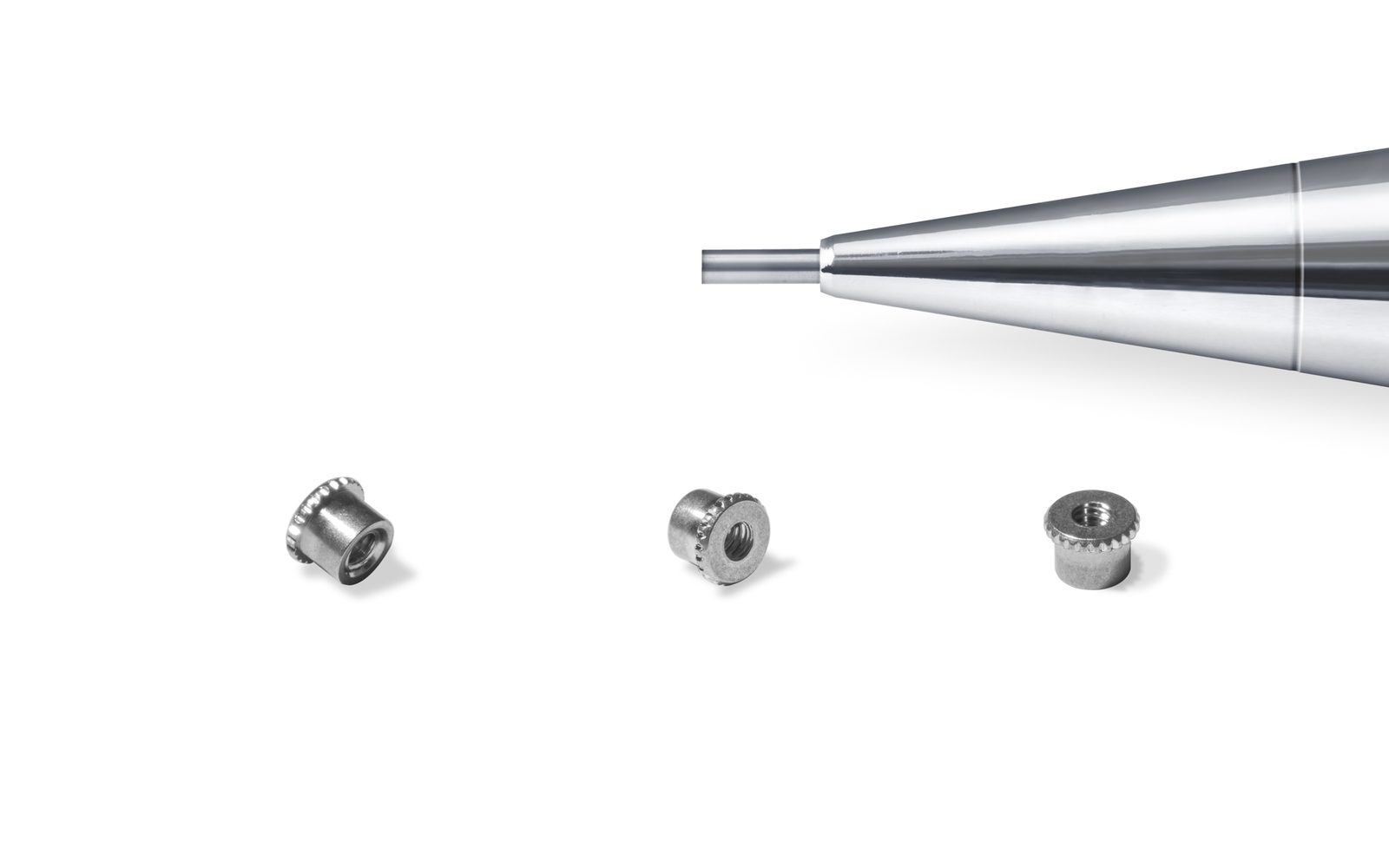
Three product groups cover most of it. Threaded standoffs set the board pitch. Tin-plated copper nuts and small plates are soldered directly onto the board to form a threaded connection, and can also be used to set a height. High-current terminals conduct current while connecting boards and forming a reliable threaded connection. The solderable parts can be supplied in tape and reel for automatic placement, and internal or external threads can be pre-coated with adhesive for locking.

Product groups

Threaded standoffs, solderable nuts and plates, high-current terminals

Solderable material

Tin-plated copper

Packaging

Tape and reel available for solderable parts

Functions

Threaded connection, height spacing, current conduction

Locking

Internal and external threads can be pre-coated with adhesive

Standoff materials

Brass, stainless steel, aluminium

Design intent

What this product solves

Six engineering decisions that separate a micro fastener that works from one that merely fits the drawing.

Soldered thread connections

Tin-plated copper nuts and small plates solder onto the board to create a threaded connection where the board itself has no room for a nut.

Height spacing as a function

The same parts set the distance between boards, so one component provides both the thread and the stack height.

Tape and reel supply

Solderable parts are available in tape and reel packaging for automatic placement, so they are treated as SMT components rather than loose hardware.

High-current terminals

Terminals conduct current while connecting PCBs and forming a reliable threaded connection — power and earth paths through the stack.

Pre-coated locking

Internal and external threads can be pre-coated with adhesive for locking, removing a dispensing step from the assembly line.

One supplier for the stack

Standoffs, solderable nuts, terminals and the mating screws are specified together so thread depth and screw length match.

Technical data

Board-level hardware by function

Reference data for design and sourcing. For a specific part, the drawing governs — these tables are the starting point for a joint review.

ProductFunctionAttachmentPackagingTypical position
Threaded standoffSets board pitch, provides threadThreaded or press-fitBulk / trayBoard-to-board, board-to-chassis
Solderable copper nutThreaded connection on the boardSolderedTape and reelScrew-down point on a PCB
Solderable plateThreaded connection plus heightSolderedTape and reelReinforced screw position
High-current terminalCurrent path plus threaded connectionSolderedTape and reelPower and earth connection

Values are typical for the stated material and finish. Actual performance depends on the mating material, engagement length and assembly torque. Confirm with a sample test before design freeze.

Options

Heads, drives, materials and finishes

Mix these within one part number family. Where a combination is not manufacturable at your tolerance, we will say so at quotation rather than after the first lot.

Head styles

  • Hex standoff — Spanner flats for tightening
  • Round standoff — Low profile, no flats
  • Male-female standoff — Thread inside and outside for stacking
  • Solderable nut — Flat body for reflow placement

Drive types

  • Hex body (spanner)
  • Slotted top
  • Press-fit
  • Soldered (no drive)

Materials

  • Brass
  • Tin-plated copper
  • Stainless steel
  • Aluminium

Finishes

  • Tin plating (solderable)
  • Nickel plating
  • Zinc plating
  • Clear chromate
  • Anodising
  • Passivation

Where it is used

Typical applications

Representative positions rather than an exhaustive list. Many of our parts are designed for one specific assembly and never appear in a catalogue.

Application reference by assembly position
Assembly Typical use
Multi-board stack Standoffs fixing the pitch between boards in an enclosure
PCB screw-down point Solderable copper nut giving a thread where the board has no space for a nut
Power connection High-current terminals carrying current and providing a threaded joint
Board-to-chassis mounting Standoffs with a thread at both ends
Automated SMT line Tape-and-reel solderable hardware placed like any other component
Earth path through a stack Conductive standoffs bonding boards to the chassis

Quality control

What we measure on every lot

Inspection is not a final gate. It is a set of checks placed where a process can actually drift, with the result recorded against the lot code.

01

Thread gauge, GO / NO-GO

02

Length and face squareness against drawing

03

Solderability of tin-plated parts

04

Plating thickness, X-ray fluorescence

05

Tape and reel dimensions and placement orientation

06

Contact resistance where current path is specified

07

Visual inspection of plating and solderable surfaces

Questions

About pcb hardware

The questions our engineers answer most often on this product family.

Still deciding? Send the assembly drawing and the service condition. We will recommend a size, finish and locking method — and tell you if a different product family is the better answer.
Why use a solderable copper nut instead of a standoff?
Because the board needs a thread at a position where there is no room for a standoff body and no access to the reverse side. A solderable nut sits flat on the board and becomes part of the assembly during reflow.
Can solderable hardware be placed automatically?
Yes — tin-plated copper nuts and plates are available in tape and reel, so they can be placed by the same equipment that places the other SMT components.
How do I stop the mating screw from loosening?
The internal or external thread can be pre-coated with adhesive for locking. That removes the need to dispense threadlocker at the screw position during final assembly.
What sets the board pitch tolerance?
The standoff length and the squareness of its end faces. If the faces are not square to the thread, the board tilts even when every standoff is the correct length, which loads one corner of a fine-pitch connector.

Related products

Often specified together

These families are frequently used in the same assembly, or as an alternative when the joint requirement changes.

Threaded inserts for plastic and light alloy assemblies

Thread & Panel · Light alloy & plastic

Thread Inserts

Thread inserts give a lightweight structure a thread that survives repeated assembly — wire thread inserts, self-tapping inserts and key-locking inserts for plastic, aluminium and magnesium.

Wire · self-tapping · key-lockingBrass / steel / titaniumRepeated assembly
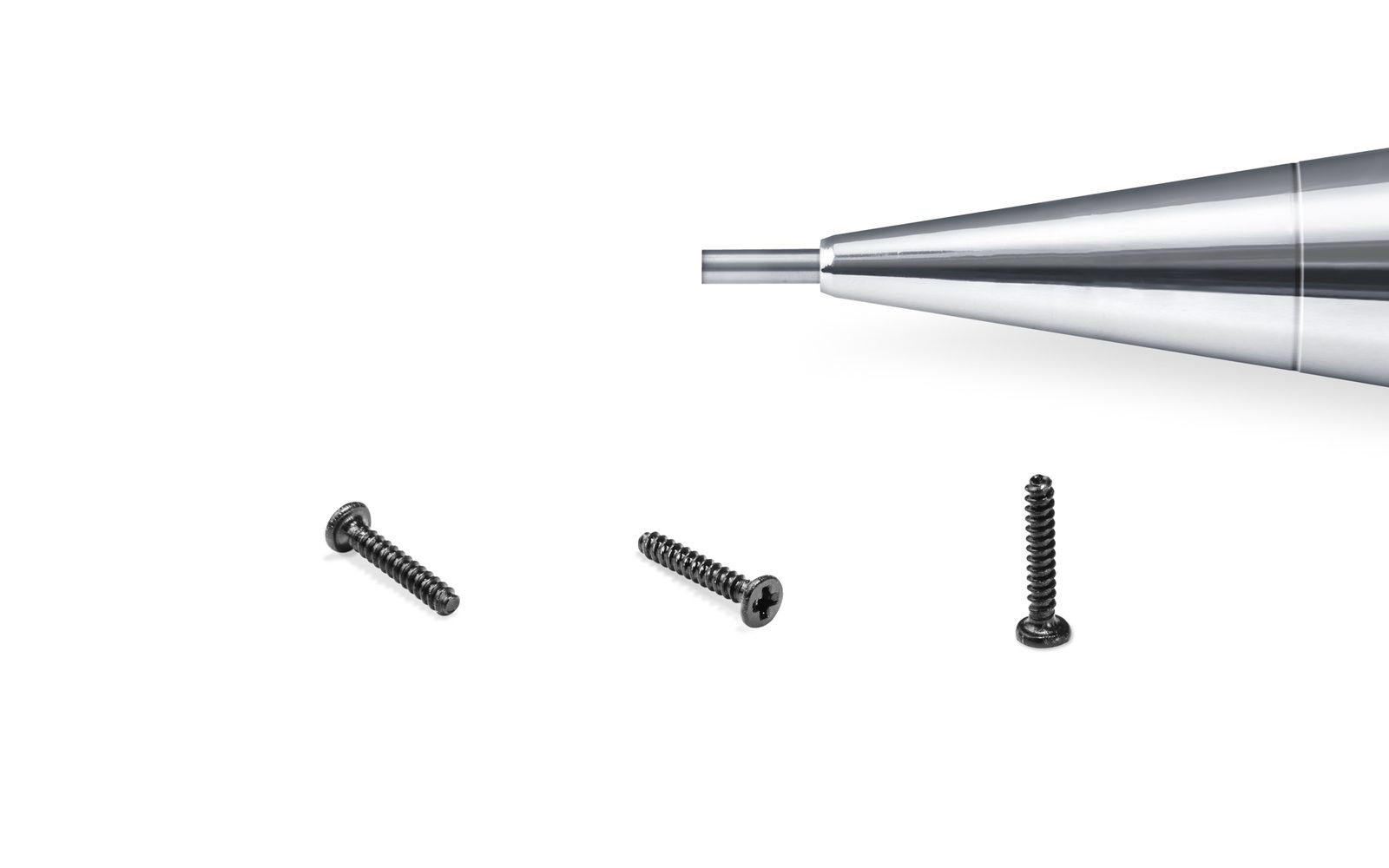
M0.8 machine thread micro screws beside a pencil tip for scale

Micro Screws · M0.6 – M2

Machine Thread Micro Screws

Micro machine screws that engage a pre-formed thread — a tapped hole, a brass insert or a heat-set nut — and hold their clamp load through repeated disassembly.

Coarse & fine pitchRepeated re-assemblyStainless / carbon steel
Shoulder screws with precision ground shanks

Pins & Spacers · Pivot & locating duties

Shoulder Screws & Pins

Shoulder screws and precision pins for joints and motion structures — a ground shank that acts as a pivot or locating shaft while the thread clamps the assembly together.

Connection + locationRotation supportRobot joints
Clinching nuts and threaded standoffs for sheet metal panels

Thread & Panel · Sheet metal panels

Clinching Nuts & Studs

Clinching nuts, studs and grounding terminals are pressed into sheet metal with a press, giving a permanent load-bearing thread in a panel that is often thinner than the thread itself.

Pressed installationNylon locking optionIP68 sealed variants

Need pcb hardware to your drawing?

Send a drawing or 3D model with the mating material and finish requirement. The reply is a process route, a tolerance review and a price — with the assumptions stated.