
Capability
Tooling & Die Shop
The die decides the part — so the die is made here
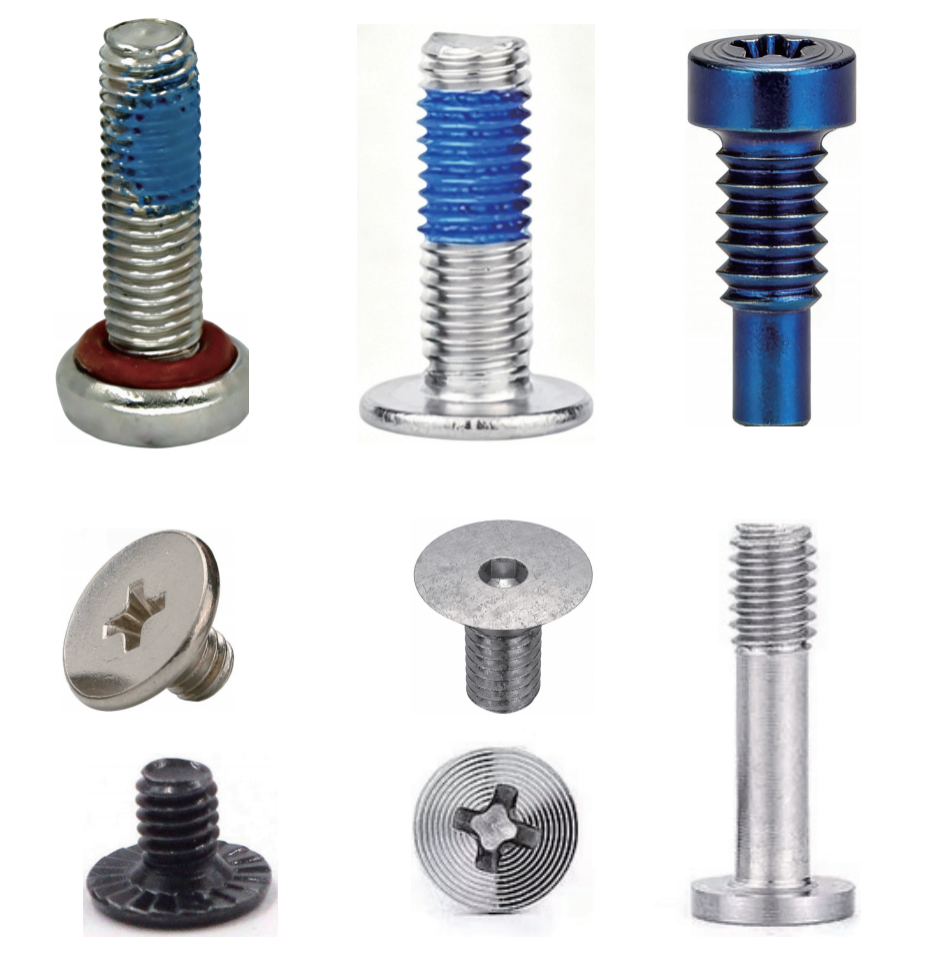 Tooling & Die Shop · Bekasi plant
Process overview
The die decides the part — so the die is made here
Every characteristic of a cold-formed screw is set by the die that formed it: head diameter, head height, recess geometry, shank concentricity and the radius under the head. Once the die is cut, the part is what the die says it is. That is why tooling is the first step in the process rather than a supporting activity.
Making dies in-house changes the development loop. When a sample needs a different head height or a recess that drives more cleanly, the geometry can be adjusted and re-tried within the development cycle instead of being sent out and scheduled behind other work. The same shop also maintains production tooling: punches are dressed on a fixed interval rather than replaced after a defect appears, because at micro sizes a worn punch produces cam-out long before it produces a visible failure.
Step by step
How the process runs
Each step has a defined control point. The sequence is not arbitrary — changing it changes the result.
Part and process review
The drawing is reviewed against what cold forming can produce — draft, radius, wall thickness at the recess, and the material grade the part needs.
Die design
Die and punch geometry are laid out from the head form, the drive recess and the shank reduction ratio, so that material flows into the head instead of being forced.
Die manufacture
Dies are machined and finished in-house, which keeps the geometry iteration inside the plant during development.
Trial and sample
Sample parts are formed and measured, then adjusted until the parts match the drawing and drive cleanly in the customer bit.
Production tooling maintenance
Punches are dressed on a defined interval and inspected, so recess wear is controlled before it becomes a cam-out problem on the customer line.
Specification
Process window and capability
The numbers below define what the process can hold repeatably. They are not laboratory bests.
Tooling scope
Heading dies and punches for cold-formed screws
Where made
In-house die shop
What the die sets
Head diameter, head height, recess geometry, shank concentricity, under-head radius
Development benefit
Geometry changes made inside the plant during sampling
Maintenance
Punch dressing on a defined interval rather than on defect
Design constraint
Minimum wall thickness at the recess, drive style, material grade
Equipment
What the line is built on
Capacity figures are per machine and assume a standard part. Complex geometry reduces throughput.
| Equipment | Specification |
|---|---|
| Die and punch manufacture | In-house machining and finishing of heading tooling |
| Tool maintenance | Scheduled punch dressing and inspection |
| Sample evaluation | Dimensional measurement and drive-fit trial before release |
Process control
What is checked, and when
A control that is not recorded is not a control. Each item below generates a record linked to the lot code, retained for the programme duration.
01
Die geometry verified against the drawing before release to production
02
First-off sample measured and drive-tested
03
Punch wear monitored against the dressing interval
04
Recess geometry checked with pin gauge and vision
05
Head height and diameter measured on the formed part, not on the die
06
Tooling records kept so that a part can be reproduced from its die history
Questions
Tooling FAQ
Practical questions from sourcing and engineering teams.
Why does in-house tooling matter to a customer?
Does a new part always need a new die?
What limits what a die can produce?
How is punch wear controlled?
Related capabilities
What happens before and after
These processes are usually sequenced with the one above.

Capability
Cold Forging
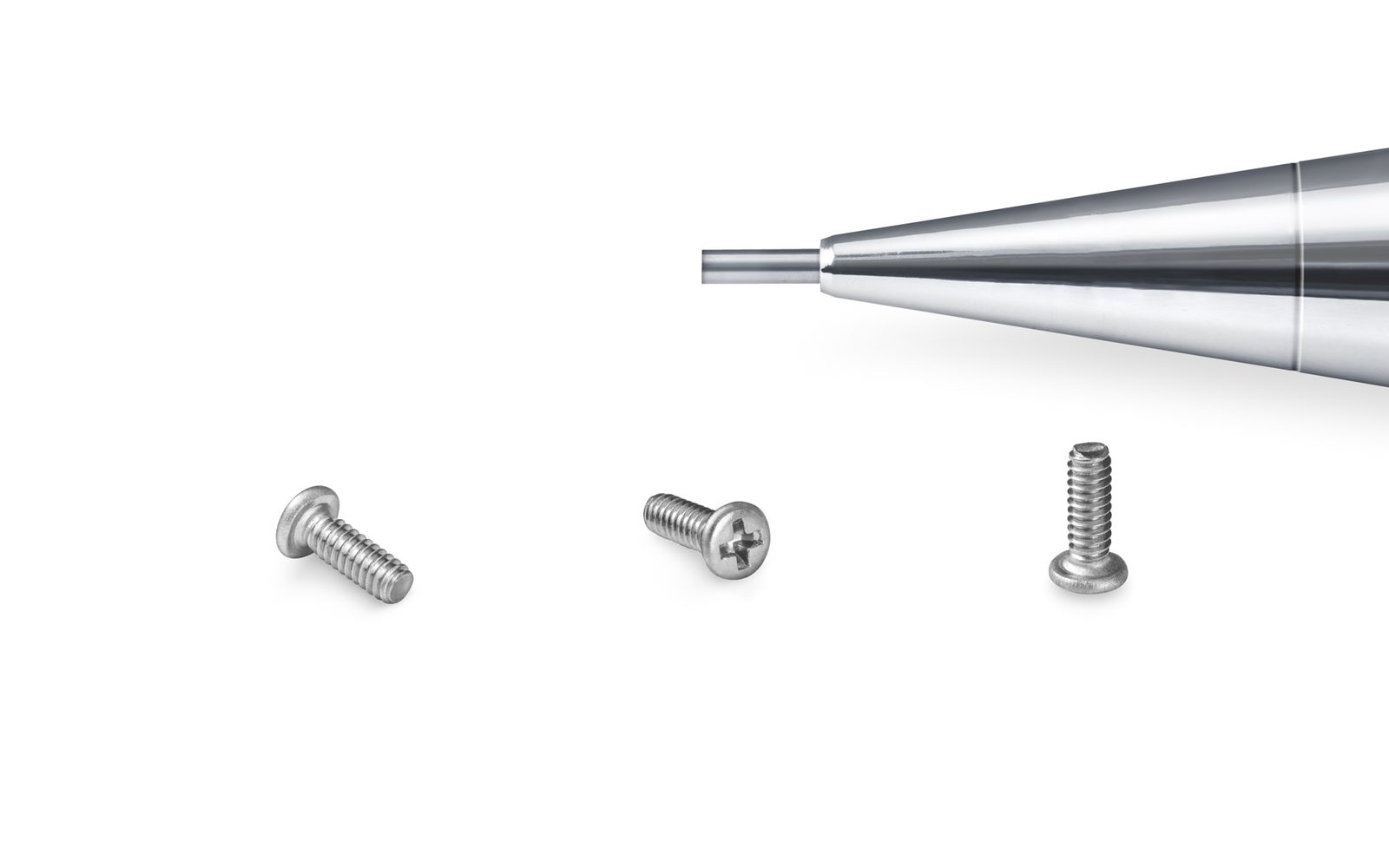
Single- and multi-station cold heading forms the screw from wire, so the grain follows the part contour and no material is machined away.
Capability
Thread Rolling
Rolling reforms the grain along the thread flank instead of severing it, producing a stronger thread with a smoother surface and no chip waste.
Capability
Optical Sorting & Packing
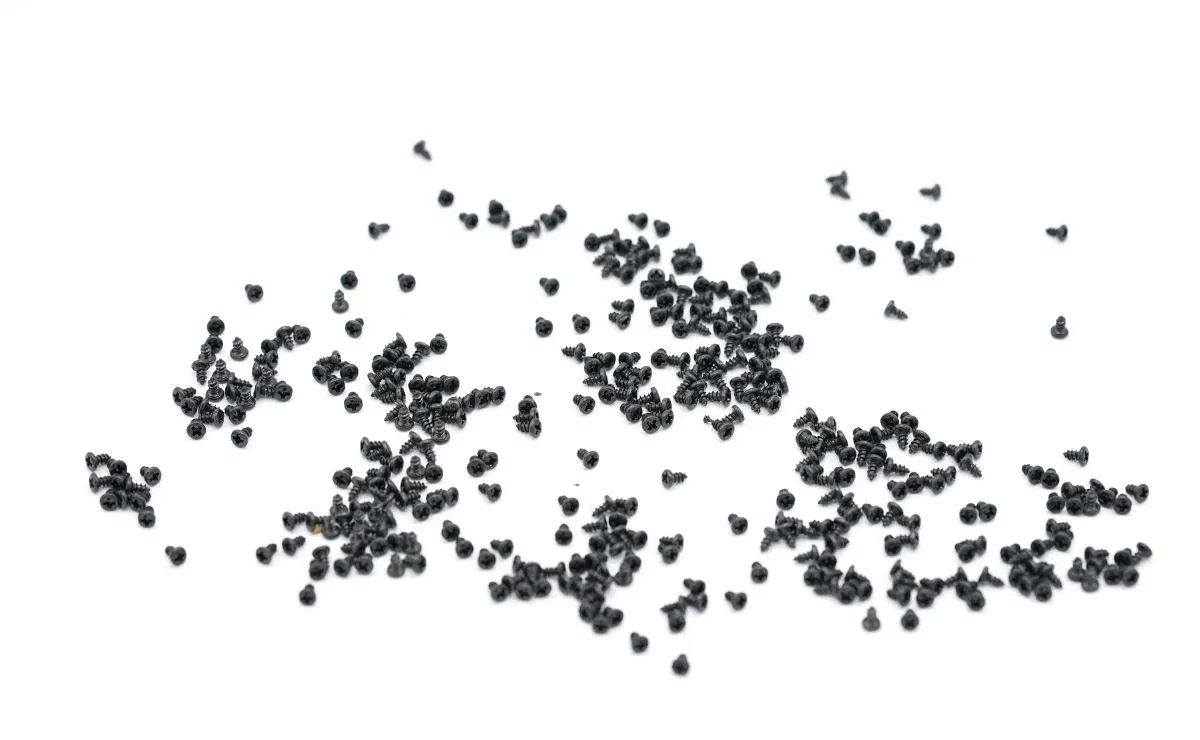
Vision and laser sorting inspects every screw for head, recess and dimensional defects, and packs the accepted parts in the format the customer feeder needs.
Need tooling for your part?
Send the drawing and the annual volume. We will confirm feasibility, tolerance and lead time in the quotation.