
Capability
Optical Sorting & Packing
Every part passes the sorter before it is packed
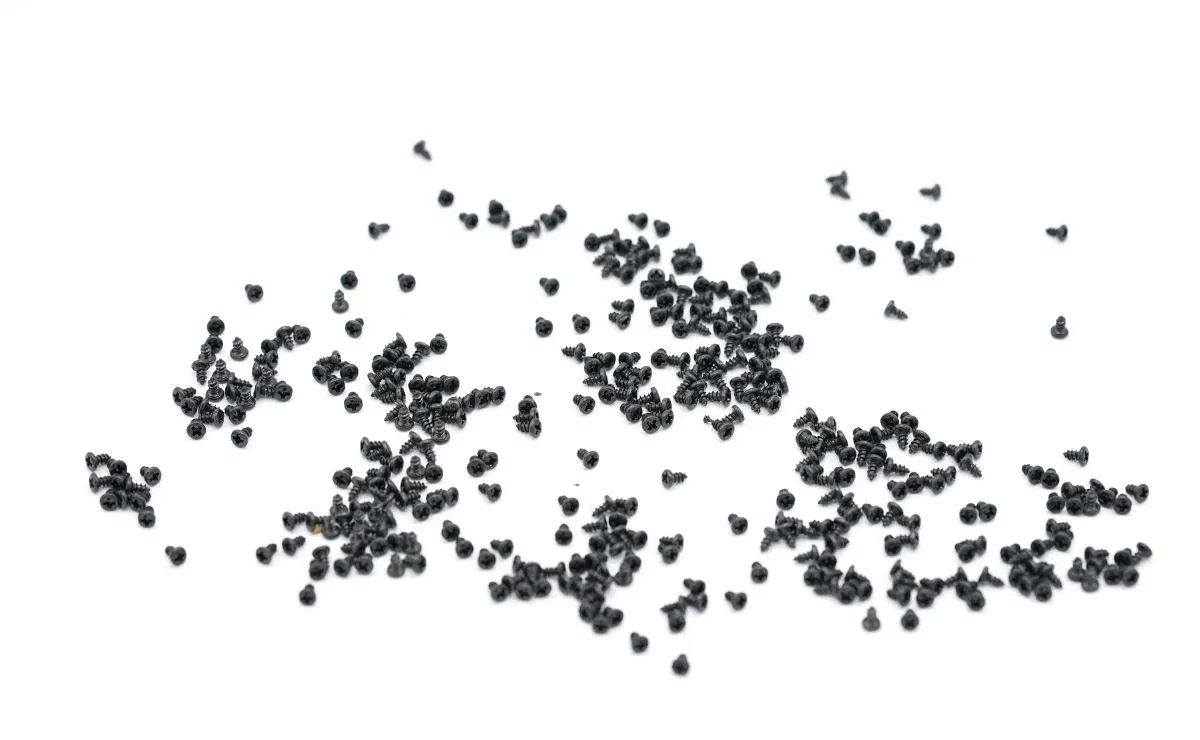 Optical Sorting & Packing · Bekasi plant
Process overview
Every part passes the sorter before it is packed
At M1.0 a defective screw is not a screw that fails a test — it is a screw that jams a feeder, cams out a driver or stops a line. The economics of micro fasteners are dominated by the cost of that stoppage, which is why sorting is a production step rather than a final inspection.
Sorting works by passing every part through a vision and laser station that checks the characteristics a human cannot check at production speed: head presence, head diameter, head height, recess presence and depth, concentricity and surface defects. Accepted parts are then packed in the format the customer’s feeder expects, because a correctly made screw in the wrong packing is still a line stoppage.
Step by step
How the process runs
Each step has a defined control point. The sequence is not arbitrary — changing it changes the result.
Bulk receiving
Parts arrive from finishing and are loaded into the sorter feed.
Singulation
Parts are separated so that each one passes the inspection station individually and in a known orientation.
Vision and laser inspection
Head, recess, dimensions and surface are checked on every part, with defective parts ejected.
Defect review
Rejected parts are examined to identify the process drift that produced them, so the cause is corrected rather than just the symptom removed.
Counting and packing
Accepted parts are counted and packed in bulk, tray or tape and reel according to the customer feeder.
Label and traceability
The carton is labelled with the lot code that links back to wire heat number, forming, heat treatment and finishing batch.
Specification
Process window and capability
The numbers below define what the process can hold repeatably. They are not laboratory bests.
Inspection coverage
Every part passes the sorter — 100% by count
Characteristics checked
Head presence, head diameter and height, recess presence and depth, concentricity, surface defects
Method
Vision and laser inspection
Reject handling
Ejected and reviewed to identify the process cause
Packing formats
Bulk, tray, tape and reel
Traceability
Lot code linked to wire heat number and every process batch
Equipment patent
Automatic sorting and packaging — efficiency increased by 35%
Equipment
What the line is built on
Capacity figures are per machine and assume a standard part. Complex geometry reduces throughput.
| Equipment | Specification |
|---|---|
| Optical sorting machines | Vision and laser inspection of every part |
| Automatic sorting and packaging line | Patented equipment — efficiency increased by 35% |
| Counting and packing | Bulk, tray and tape-and-reel formats |
Process control
What is checked, and when
A control that is not recorded is not a control. Each item below generates a record linked to the lot code, retained for the programme duration.
01
Sorter set-up verified with known-good and known-bad samples
02
Reject rate monitored through the run
03
Rejected parts reviewed for the process cause
04
Count verified at packing
05
Carton label checked against the lot record
06
Packing format verified against the feeder specification
Questions
Optical Sorting FAQ
Practical questions from sourcing and engineering teams.
Is the inspection really 100%?
What defects does the sorter remove?
Can you pack to our feeder specification?
What does the lot code trace?
Related capabilities
What happens before and after
These processes are usually sequenced with the one above.

Capability
Cold Forging
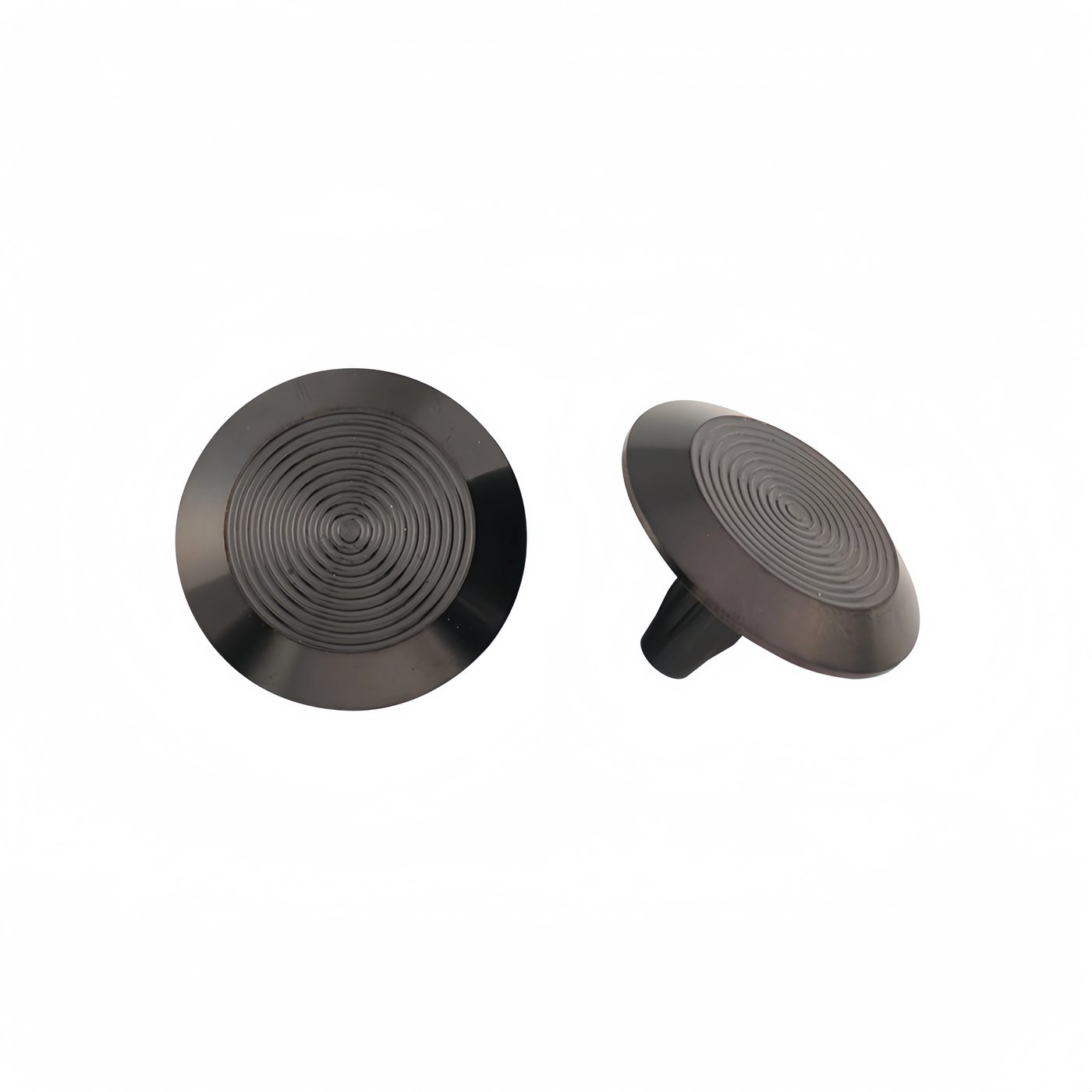
Single- and multi-station cold heading forms the screw from wire, so the grain follows the part contour and no material is machined away.
Capability
Surface Treatment & PVD
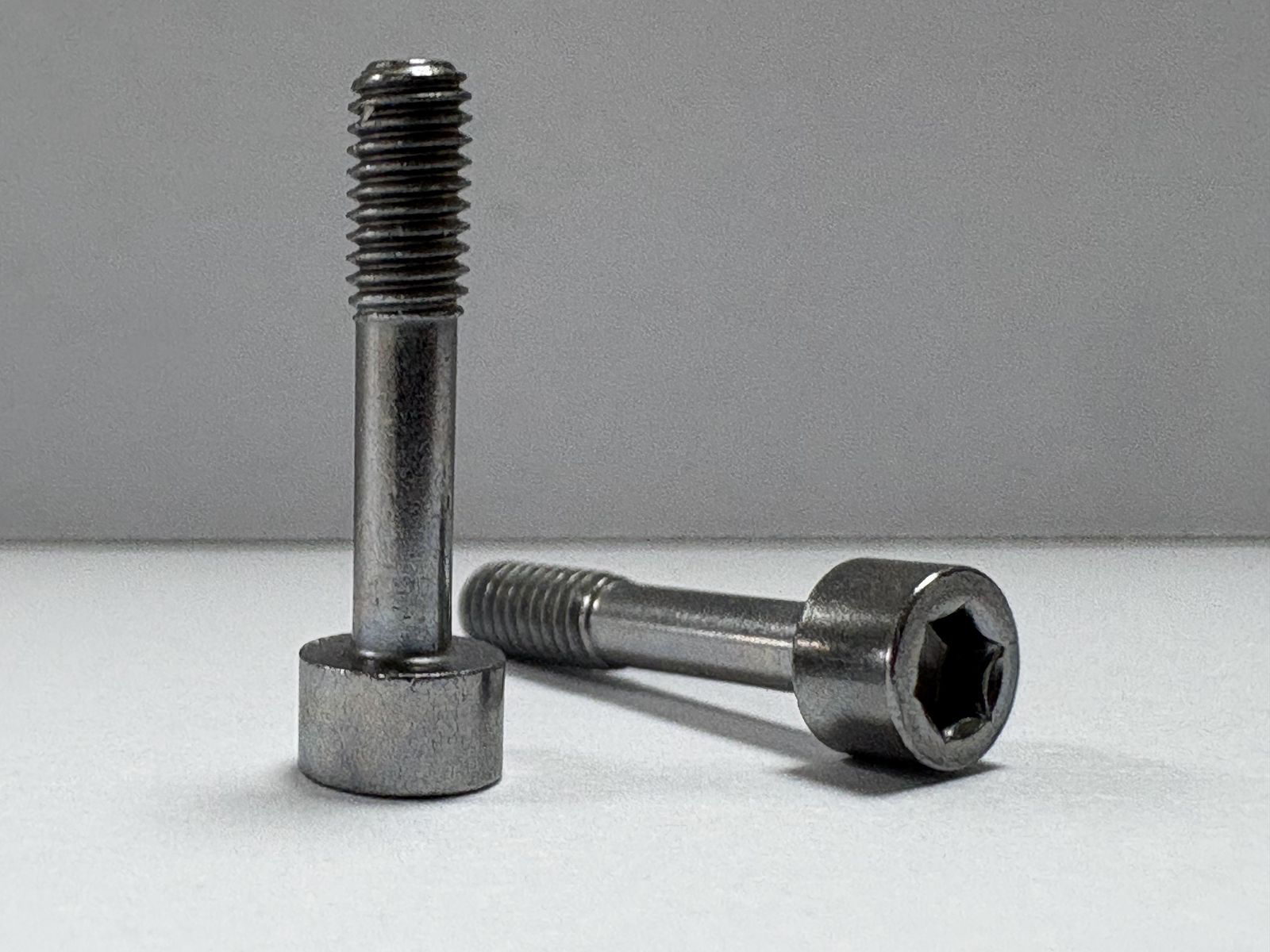
Zinc, zinc-nickel, nickel, passivation and PVD finishing, selected for corrosion resistance, appearance, electrical behaviour and the effect on thread fit.
Capability
Inspection Laboratory
Metallography, hardness, dimensional measurement, tensile, friction, salt spray, coating thickness and RoHS testing, all in-house so a question can be answered without waiting for an outside lab.
Need optical sorting for your part?
Send the drawing and the annual volume. We will confirm feasibility, tolerance and lead time in the quotation.