Manufacturing in Bekasi, West Java — Indonesia ISO 9001 · IATF 16949 · ISO 14001 · ISO 45001

Industry

HPC & AI Servers

Chassis fastening, liquid cooling and board-level hardware at rack scale

Chassis sheet metalIP68 sealingLiquid coolingSolderable hardware
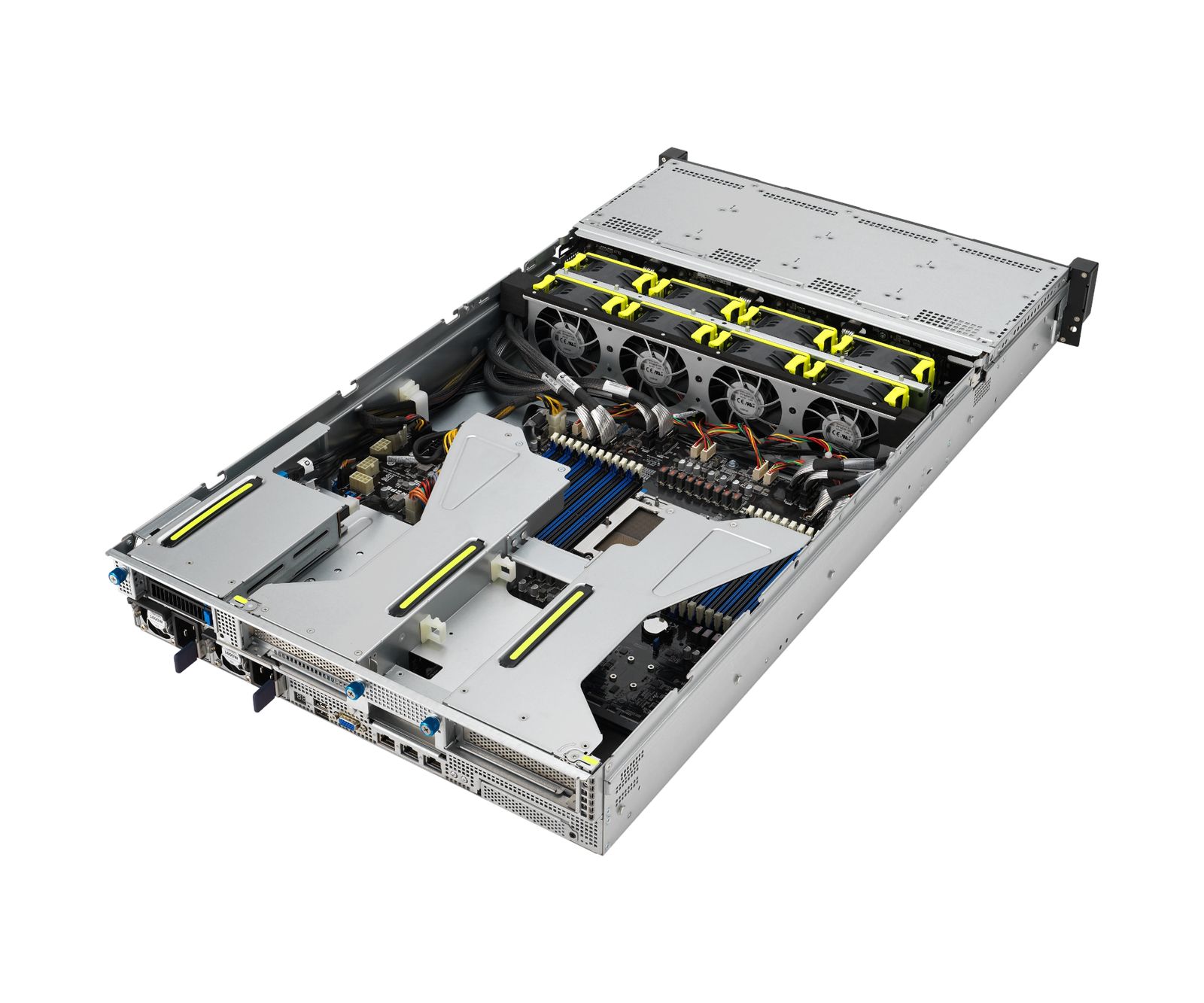
Fasteners and hardware inside a GPU server chassis HPC & AI Servers

Why it matters

Chassis fastening, liquid cooling and board-level hardware at rack scale

An AI server is a mechanical structure as much as a computing one. A single rack holds hundreds of kilograms of heatsinks, cold plates and cabling, all of it hung on sheet metal that is thin, painted and often only accessible from one side. The fastening problem is therefore not precision at the micron level — it is reliability at the panel level, in a machine that will be assembled, shipped, installed and serviced by different people.

Two areas dominate. The chassis needs threads in thin sheet that survive service access, which is what clinching nuts and studs provide, along with sealed variants where the cabinet must hold an ingress rating. The thermal loop needs leak-free connections, which is where UQD connectors and sealed riveting come in. Board-level hardware — solderable copper nuts, height spacers and high-current terminals — completes the picture inside the rack.

IP68

Sealing on chassis fasteners

100%

Leak-free UQD connection target

1-side

Blind installation access

T&R

Tape and reel board hardware

Field problems

What actually goes wrong in this industry

These are the failure modes we see most often, and the engineering response that addresses each one. Problems are stated as they appear on the line, not as they appear in a textbook.

Failure mode and engineering response
Problem observed Engineering response
A painted steel cover has no thread, and a loose nut cannot be held behind it. Clinching nuts are pressed into the sheet and become part of the panel, giving a permanent thread with no welding and no loose hardware on the line.
A liquid-cooling loop must not drip onto the electronics below it. UQD connectors provide drip-free, high-flow quick connections between cold plates and pipelines, so the loop can be assembled and serviced without draining.
A waterproof cabinet loses its ingress rating at every fastener position. Sealed clinching studs, sealed rivet nuts and pre-coated rivets close the fastener position to IP68, so the rating is maintained across the panel and not just at the gasket.
A service cover is opened repeatedly and the screws get lost inside the machine. Captive screws stay attached to the panel when loosened, so no loose hardware can fall into a fan, a busbar or a power supply.
The rear of a closed cabinet section cannot be reached to fit a nut. Rivet nuts and blind rivets install from the front face only, which is what makes a closed box section assemblable at all.
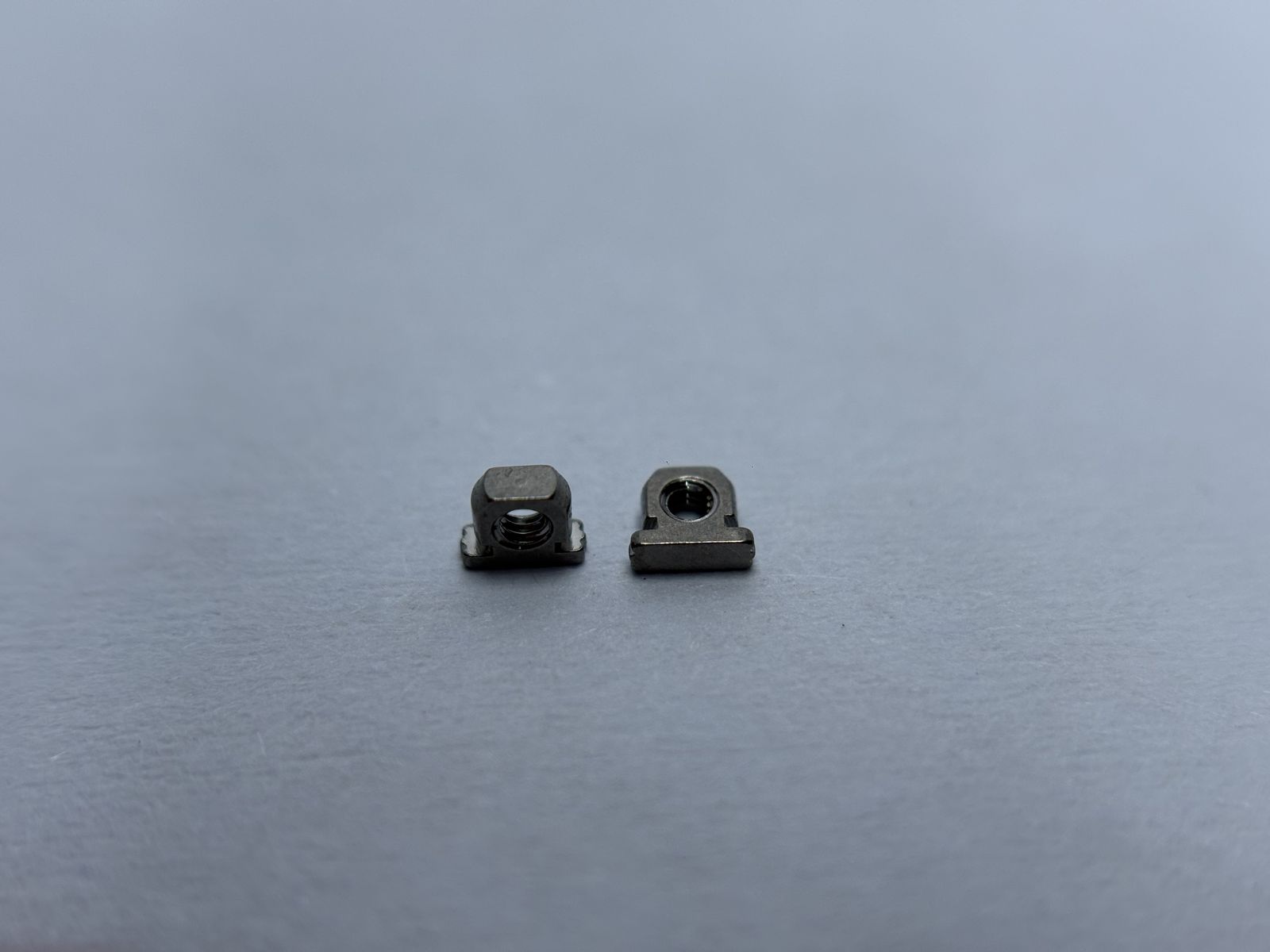
A PCB needs a threaded screw-down point where there is no room for a standoff. Tin-plated copper nuts and small plates are soldered directly onto the board to form the thread, and can be supplied in tape and reel for automatic placement.

Specification basis

Typical requirements for this industry

A starting specification, not a fixed menu. Most programmes adjust one or two of these after the first joint review.

Chassis threads

Clinching nuts, studs and grounding terminals in sheet metal

Blind installation

Rivet nuts and blind rivets, sealed and non-sealed

Captive hardware

Spring-loaded and knurled captive screws for service covers

Sealing

Up to IP68 on sealed studs, sealed rivet nuts and pre-coated rivets

Liquid cooling

UQD quick connectors — drip-free, high flow

Board hardware

Tin-plated copper nuts, plates and high-current terminals, tape and reel

Locking

Pre-coated thread locking on internal and external threads

Grounding

Clinching grounding terminals for panel earth connections

Recommended products

Families we specify most in this industry

Chosen for the tolerance, finish and locking requirements typical of the assemblies described above.

Clinching nuts and threaded standoffs for sheet metal panels

Thread & Panel · Sheet metal panels

Clinching Nuts & Studs

Clinching nuts, studs and grounding terminals are pressed into sheet metal with a press, giving a permanent load-bearing thread in a panel that is often thinner than the thread itself.

Pressed installationNylon locking optionIP68 sealed variants
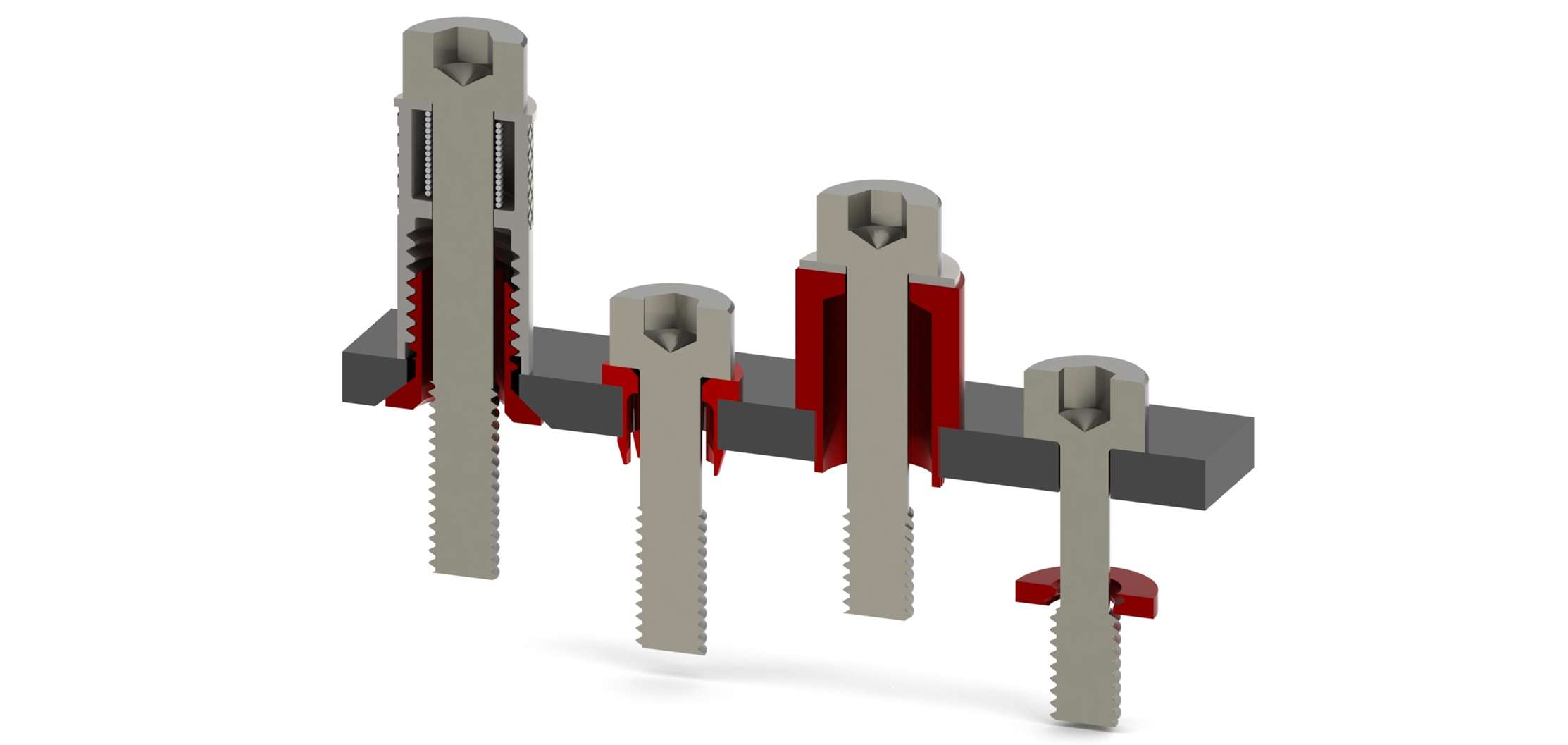
Rivet nuts and fasteners used in a server chassis

Thread & Panel · One-side access

Rivet Nuts & Blind Rivets

Rivet nuts and blind rivets install from the front face only, giving a threaded or permanent joint in a closed box, cabinet or duct where the back is unreachable.

Blind installationSealed & non-sealedPre-coated locking
Section view of a captive screw assembly

Thread & Panel · Access panels & covers

Captive Screws

Captive screws remain attached to the panel after loosening, so a cover can be removed without the fastener falling into the equipment or getting lost.

Stays with the panelLocking + sealingIP68 option
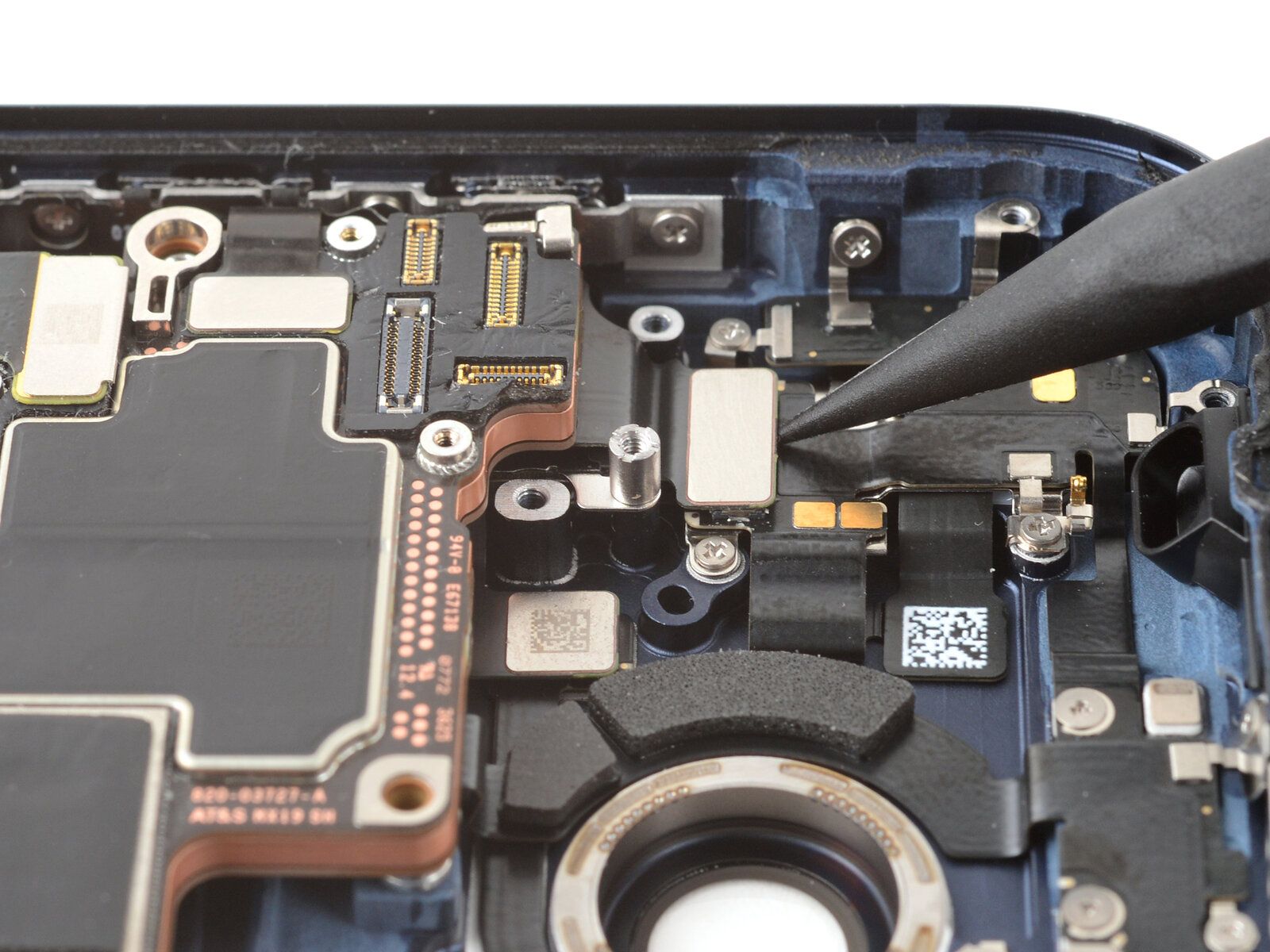
PCB standoff and board-level hardware

Pins & Spacers · Board-level hardware

Standoffs & PCB Hardware

Threaded standoffs, solderable tin-plated copper nuts and high-current terminals — the hardware that sets board height and carries power and earth through a PCB stack.

SolderableTape & reelHeight spacing
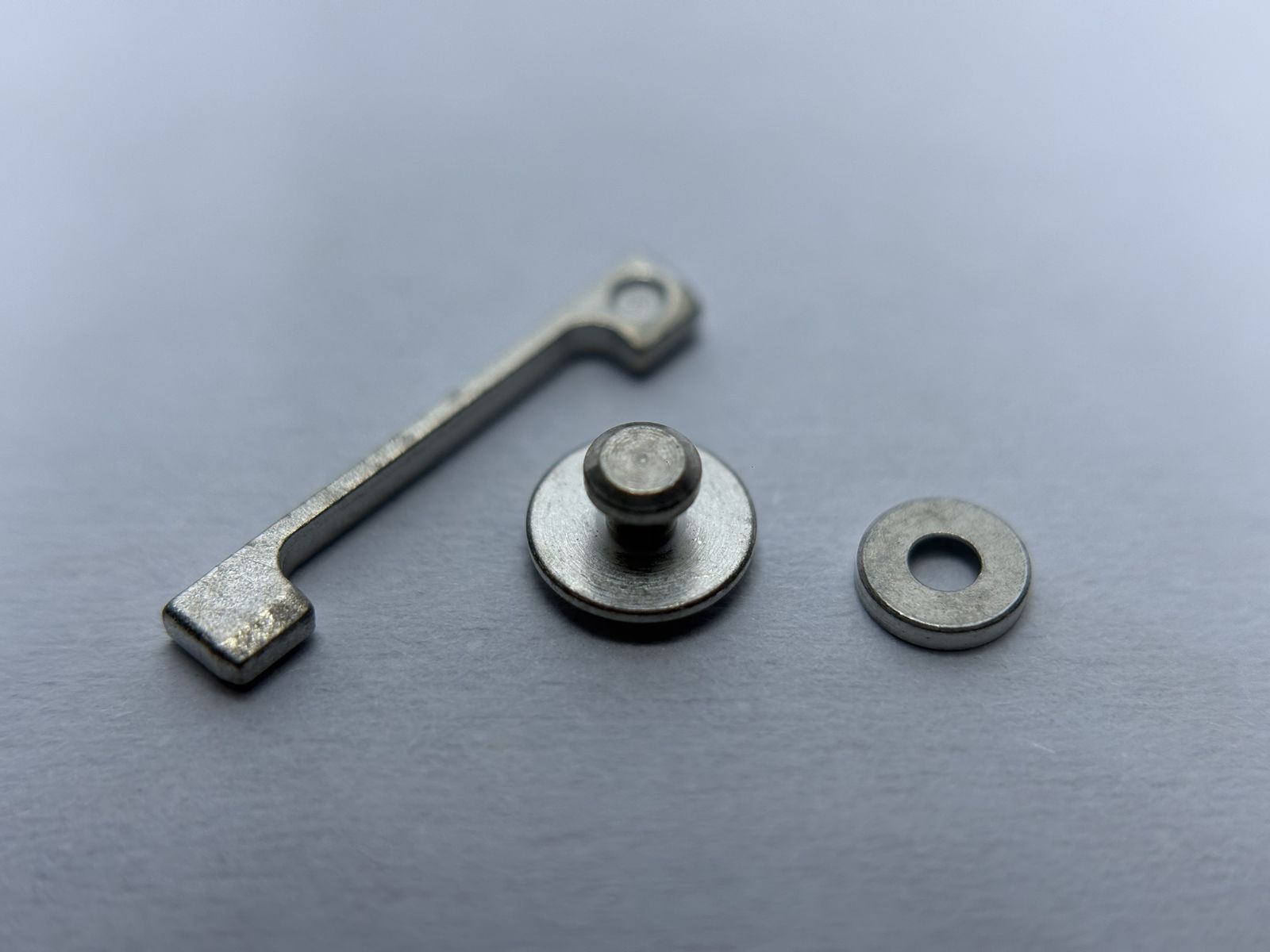
Precision stamped lock washers and small pressed parts

Thread & Panel · Joint anti-loosening

Lock Washers

Lock washers are among the core anti-loosening fasteners for robot joints and transmission systems, holding preload where vibration would otherwise relax the joint.

Carbon & stainlessAlloy steel optionHigh-frequency vibration

Design notes

Four things to get right early

These decisions are cheap at concept stage and expensive after tooling is cut.

01

Decide the access side before the fastener

A clinching nut needs access to both faces at a press; a rivet nut needs the front only. Getting this wrong at the design stage is what forces a welded nut onto a painted panel later.

02

Seal the fastener, not just the gasket

An IP68 cabinet is only as good as its worst penetration. Sealed studs and rivet nuts are part of the sealing system, and they have to be specified at the same time as the door gasket.

03

Treat board hardware as components

Solderable nuts and terminals in tape and reel are placed by the SMT line, so they belong in the pick-and-place data and the reflow profile — not in the mechanical bill of materials as loose parts.

04

Plan for the service visit

A server is opened in the field by someone with a tool and no spares. Captive screws and pre-coated locking reduce what can go wrong during that visit more than any specification on a drawing.

Joint review

Send us the assembly, not just the screw

A drawing gives us geometry. The mating material, the service cycles and the cleaning chemistry decide whether the joint works. Send all three and we will review the whole stack.

  • Tolerance stack and fit check
  • Torque and preload recommendation
  • Material and finish selection
  • Locking method and service strategy

Questions

HPC & AI Servers fastening FAQ

Answers to the questions that come up most in this industry.

Have a specific joint? Send the section drawing and the service condition. We will reply with a recommended fastener and the reasoning behind it.
How is IP68 achieved on a chassis fastener?
With a sealed variant that compresses an elastomer element against the panel during installation, or with a pre-applied adhesive coating on the head. The seal is formed by the fastener itself, so it does not depend on a separate gasket being positioned correctly.
What is a UQD connector?
A quick-connect coupling for liquid-cooling loops, used between cold plates and pipelines in AI servers. It is drip-free and high-flow, so the loop can be connected and serviced without coolant escaping onto the electronics.
Rivet nut or clinching nut for a server chassis?
Clinching nut where both faces are accessible at a press and the panel is thin sheet — it is flatter and more rigid. Rivet nut where only the front is accessible, which is common once the chassis is assembled.
Can board-level hardware go through reflow?
Tin-plated copper nuts and plates are designed for soldering and are available in tape and reel, so they can be placed and reflowed with the other SMT components. Confirm the reflow profile with the part specification before releasing the stencil.
Why captive screws in a server?
Because a loose screw inside a server is a short circuit waiting to happen. A captive screw stays with the cover when it is removed, so service access cannot introduce loose metal into the machine.

Engineering support for hpc & ai servers programmes

From a single prototype joint to a PPAP production launch, the same team reviews the drawing and the assembly context.