
Capability
Machining
Turned parts where forming cannot reach
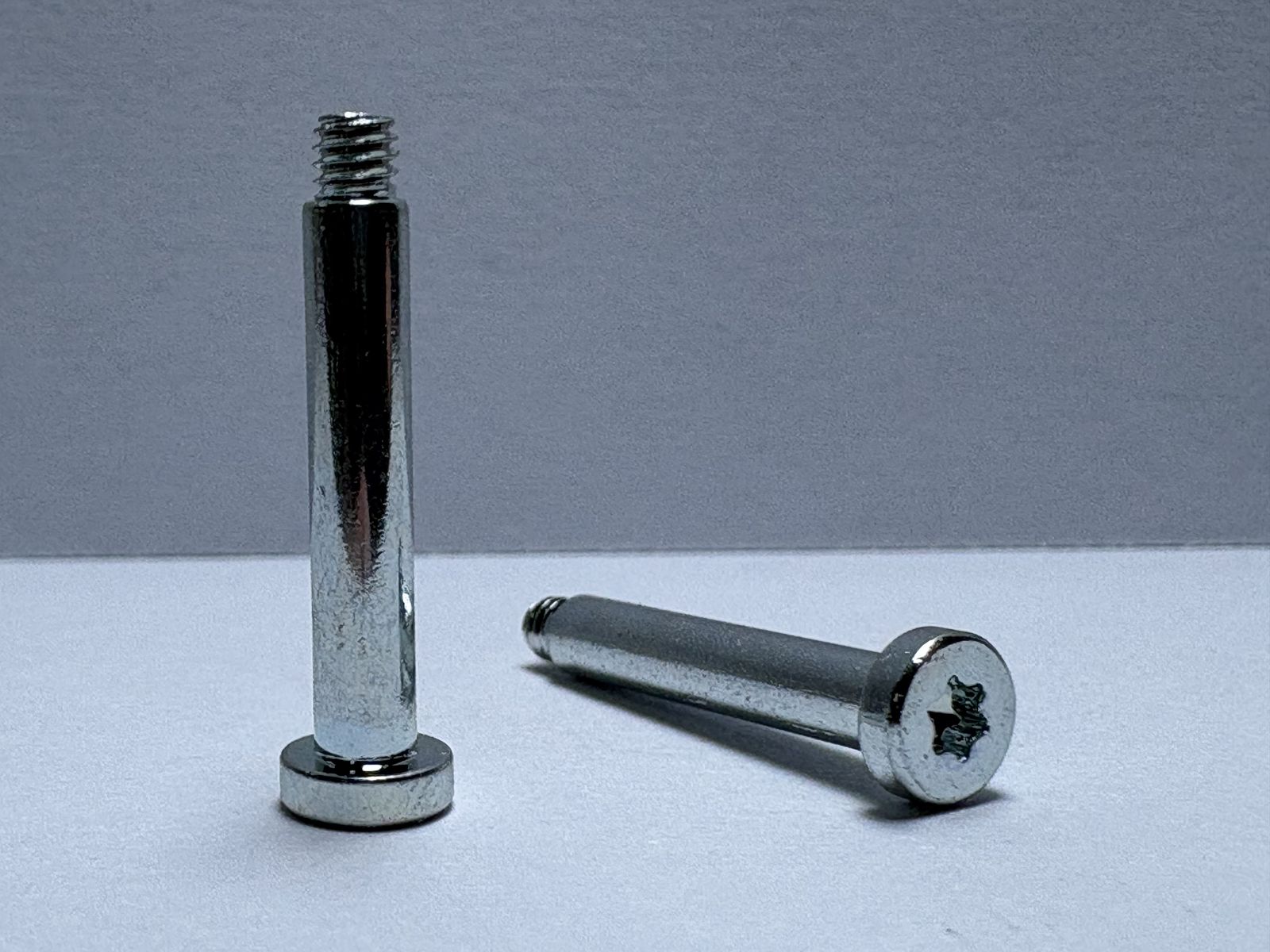 Machining · Bekasi plant
Process overview
Turned parts where forming cannot reach
Cold forming is fast and strong, but it cannot produce every geometry. A stepped pin with two diameters, a standoff with a through thread and a square body, or a shoulder screw with a ground shank all start from bar and are turned. Machining is the route for parts whose shape or quantity does not justify a die.
Machining is also where the cost conversation usually starts. A part that is turned can often be redesigned for cold forming once volume justifies a die, and that change is one of the most effective cost reductions available on a fastener — the process converts a cutting operation into a forming one and removes the material waste at the same time. We review turned parts for that possibility rather than continuing to machine them indefinitely.
Step by step
How the process runs
Each step has a defined control point. The sequence is not arbitrary — changing it changes the result.
Drawing review
The part is reviewed for what turning can hold and whether a formed alternative would be cheaper at volume.
Bar selection
Bar stock is selected for the grade and diameter, with the material certificate retained against the lot.
Turning
CNC turning produces the primary diameters, faces, threads and grooves in one or more operations.
Secondary operations
Grinding, thread milling or slotting where the drawing requires a feature that turning cannot produce.
Deburr and finish
Parts are deburred and then passivated, plated or coated as specified.
Inspection
Critical dimensions are measured and recorded, with the report issued against the lot.
Specification
Process window and capability
The numbers below define what the process can hold repeatably. They are not laboratory bests.
Process
CNC turning from bar stock
Typical parts
Shoulder screws, standoffs, spacers, thread inserts, stepped pins, sleeves
Features
Diameters, faces, threads, grooves, slots, hex and square bodies
Secondary operations
Grinding, thread milling, slotting, deburring
Materials
Stainless steel, carbon steel, alloy steel, brass, aluminium, titanium
Finishes
Passivation, nickel, zinc, black oxide, PVD, anodising
Cost lever
Redesign for cold forming once volume justifies a die
Equipment
What the line is built on
Capacity figures are per machine and assume a standard part. Complex geometry reduces throughput.
| Equipment | Specification |
|---|---|
| CNC turning | Primary and secondary turning of bar stock |
| Grinding | Shoulder and locating diameters where a ground surface is specified |
| Video measuring system | Dimensional verification of turned features |
Process control
What is checked, and when
A control that is not recorded is not a control. Each item below generates a record linked to the lot code, retained for the programme duration.
01
Material certificate retained against the lot
02
First-off approval before the run continues
03
Critical dimensions measured with VMS or contact instruments
04
Thread gauge, GO / NO-GO
05
Surface finish checked where specified
06
Deburr inspection on edges and recesses
Questions
Machining FAQ
Practical questions from sourcing and engineering teams.
When should a part be machined rather than formed?
Can a machined part be converted to cold forming?
How is the shoulder ground on a turned shoulder screw?
Do you supply material certificates?
Related capabilities
What happens before and after
These processes are usually sequenced with the one above.
Capability
Tooling & Die Shop
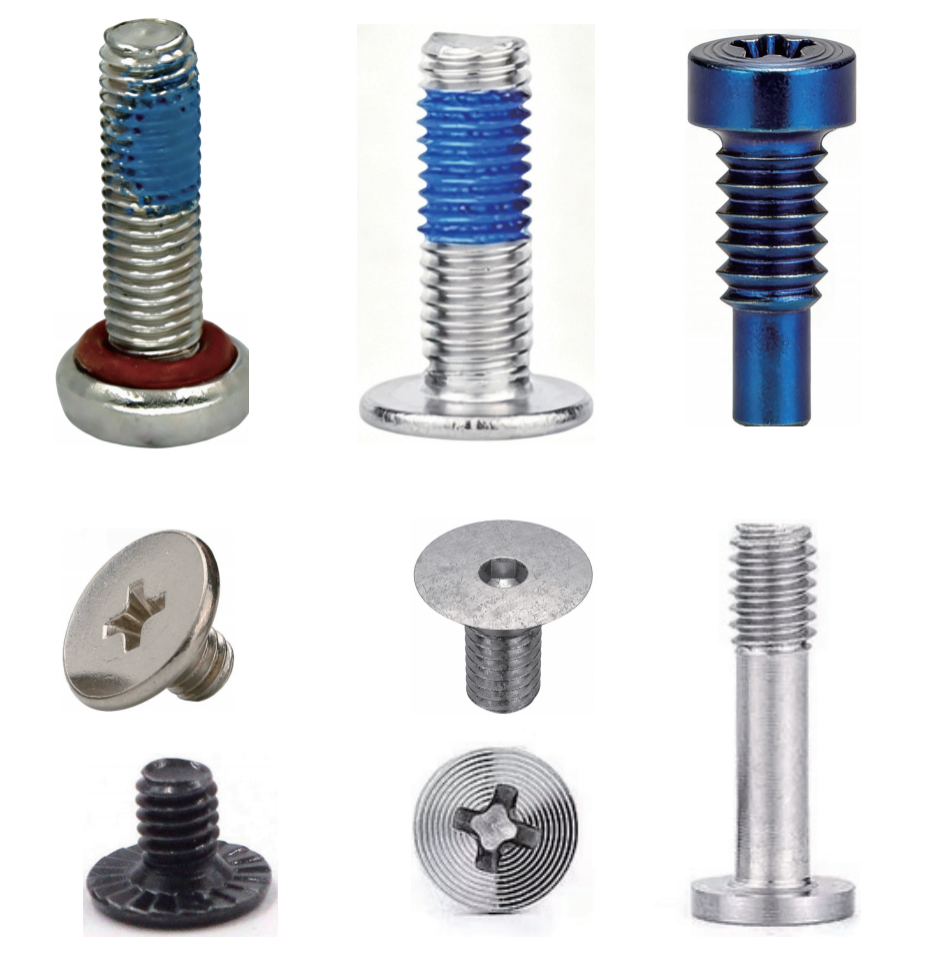
Heading dies and punches are designed and built in-house, so geometry can be changed during development instead of waiting for an outside toolmaker.
Capability
Cold Forging
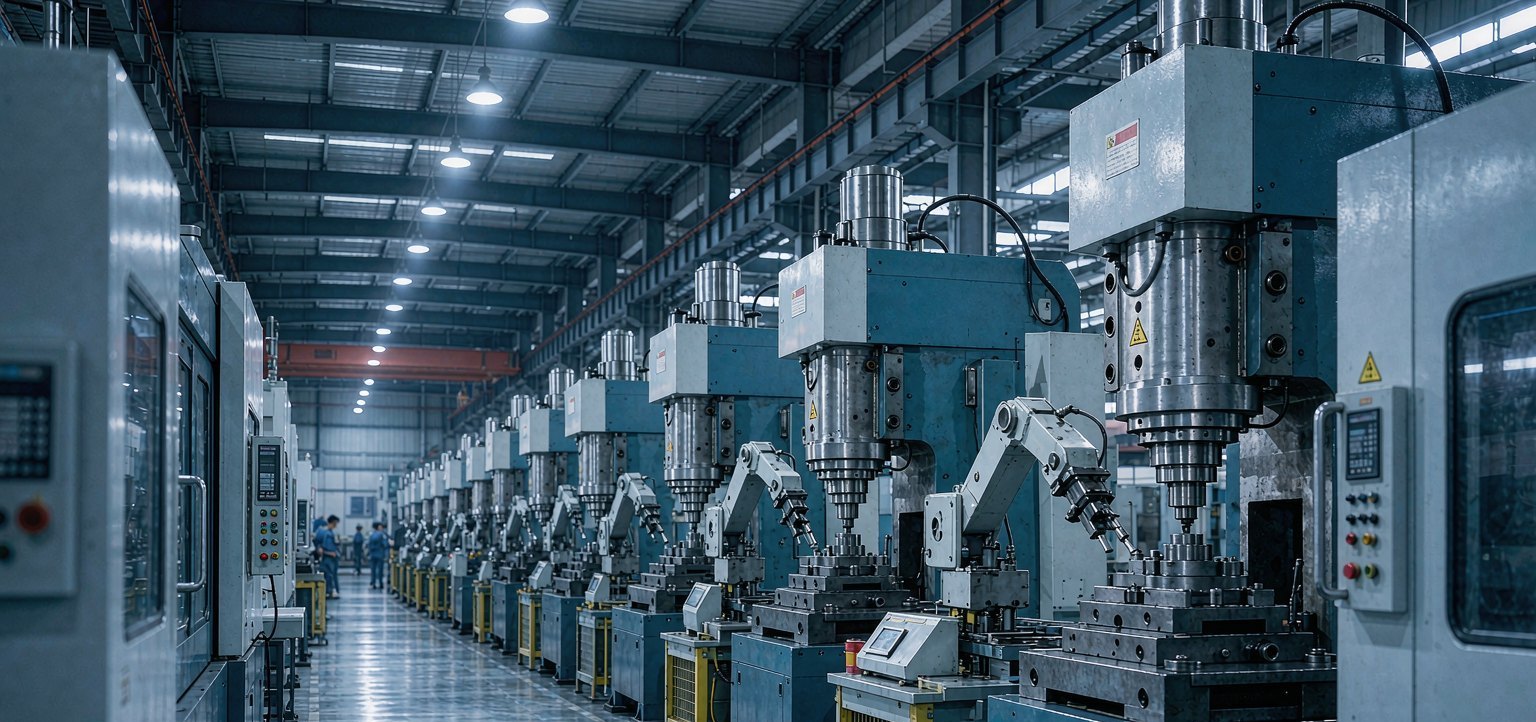
Single- and multi-station cold heading forms the screw from wire, so the grain follows the part contour and no material is machined away.
Capability
Inspection Laboratory
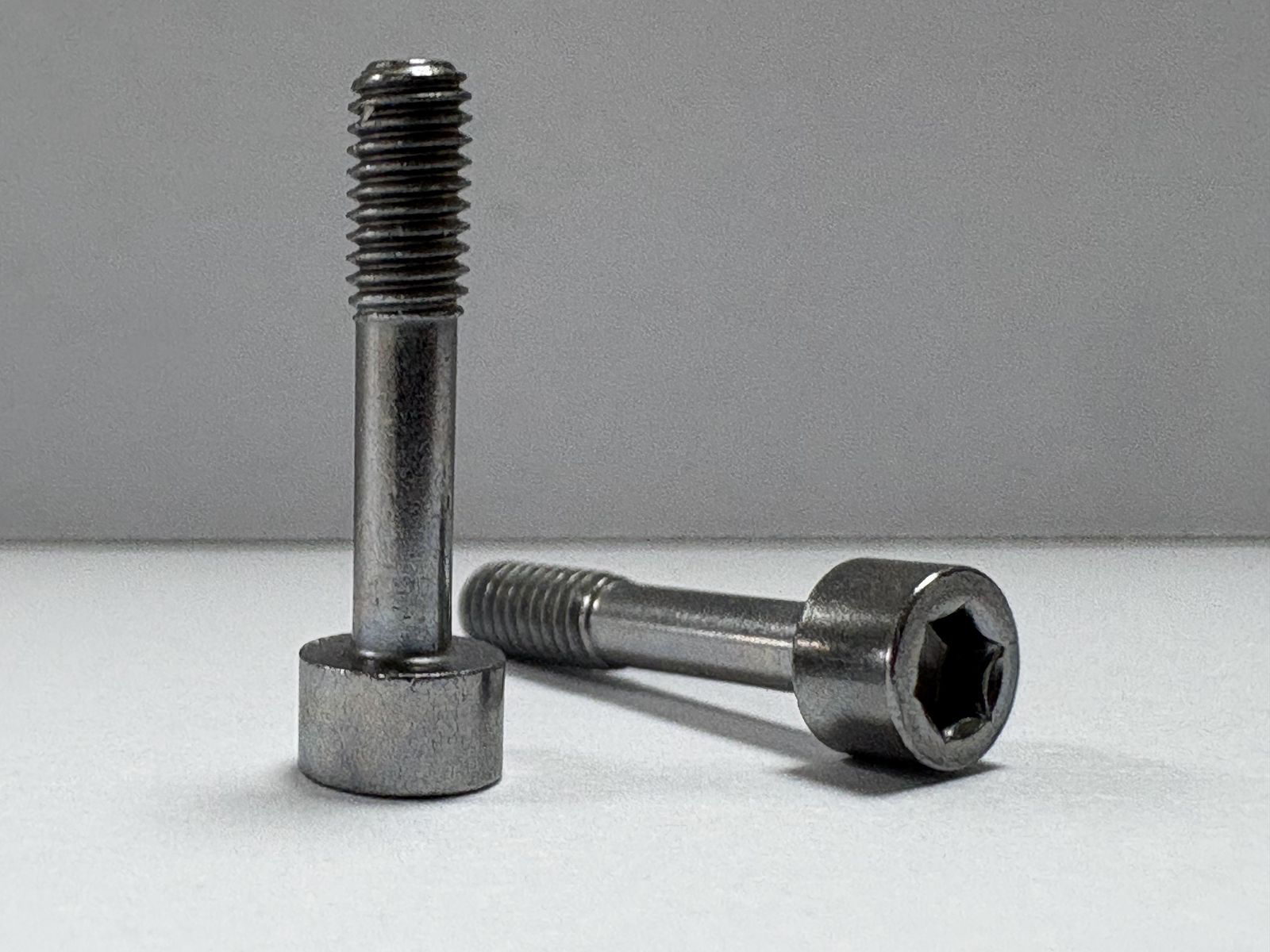
Metallography, hardness, dimensional measurement, tensile, friction, salt spray, coating thickness and RoHS testing, all in-house so a question can be answered without waiting for an outside lab.
Need machining for your part?
Send the drawing and the annual volume. We will confirm feasibility, tolerance and lead time in the quotation.