Manufacturing in Bekasi, West Java — Indonesia ISO 9001 · IATF 16949 · ISO 14001 · ISO 45001

Industry

Consumer Electronics

Micro screws for devices that are thin, visible and assembled by machine

M0.6 – M2.0Nine drive typesTen PVD coloursPrecoated locking
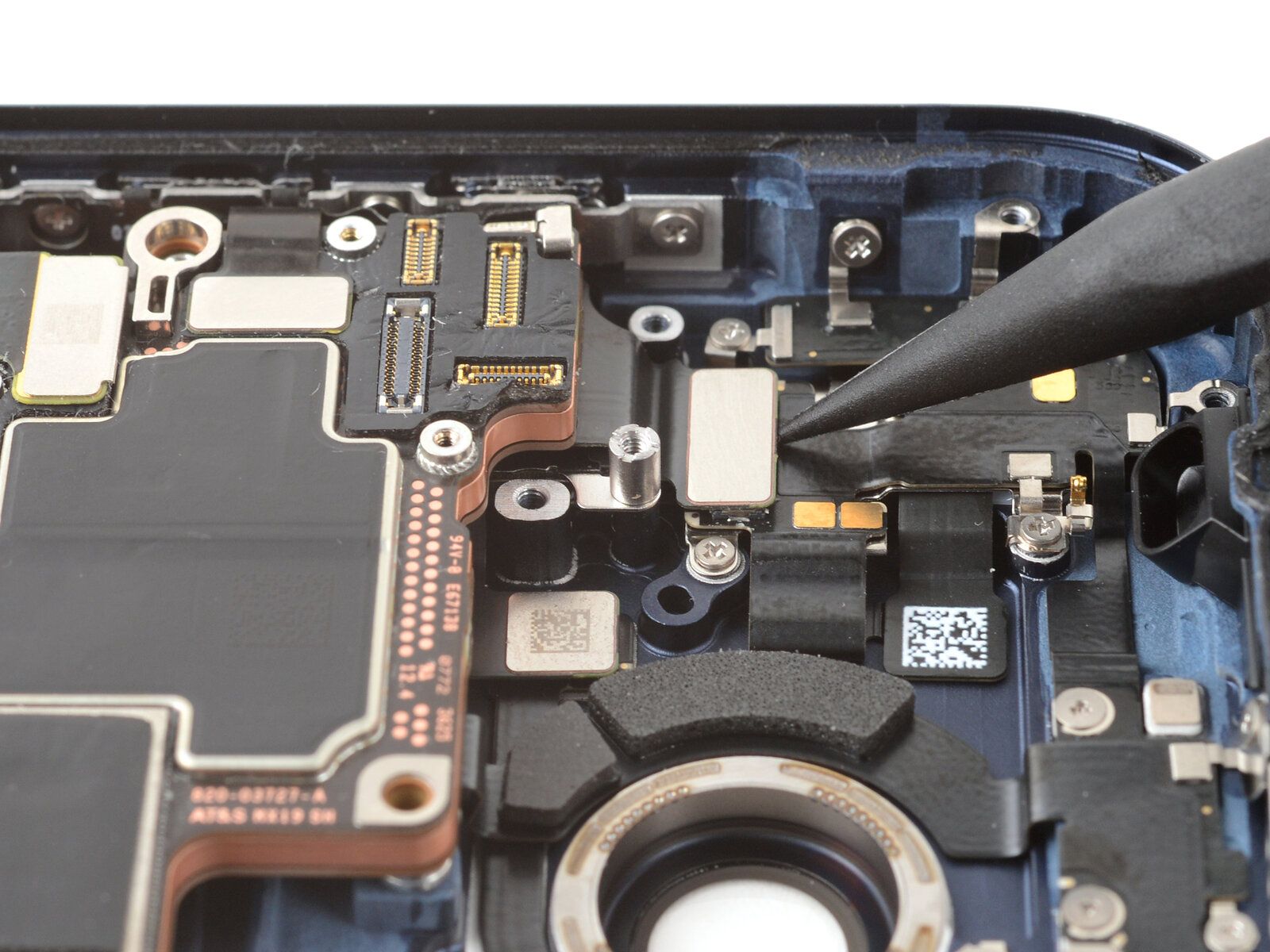
Micro screws used in smartphone assembly Consumer Electronics

Why it matters

Micro screws for devices that are thin, visible and assembled by machine

Consumer electronics is the hardest environment for a small fastener. The screw is small enough that a burr matters, visible enough that a colour difference is a defect, and produced in a volume where a single process drift becomes an entire lot of scrap. At the same time the assembly is automated, so the screw must be picked, oriented and driven without the operator touching it.

Our answer is to control the three characteristics that matter at this scale: the thread, the head and the drive. Machine screws cover every position that will be serviced; self-tapping screws cover single-use positions in moulded housings; PVD handles anything visible; and precoated locking removes the adhesive dispensing step from the line. All four families are produced in the same plant that finishes and sorts them, so the finish and the dimension are not the responsibility of two different suppliers.

M0.6

Smallest catalogue size

9

Drive styles available

10

Standard PVD colours

IP68

Sealing with pre-coated thread

Field problems

What actually goes wrong in this industry

These are the failure modes we see most often, and the engineering response that addresses each one. Problems are stated as they appear on the line, not as they appear in a textbook.

Failure mode and engineering response
Problem observed Engineering response
Cosmetic screws show colour variation between lots on a visible surface. PVD is a vacuum deposition process, so the colour is stable and does not peel or fade the way a plated finish can. Ten standard tones cover silver, black, gold, rose gold, dark brown and blue.
The drive recess deforms after repeated automated engagement. The PVD film is harder than the driver bit, so the recess keeps its geometry. On high-cycle lines a hard-coated recess is the difference between one tool change a week and one a shift.
Liquid threadlocker at the line is slow to dispense and contaminates nearby optics. Precoated screws arrive with the locking element already applied at a controlled axial position, so the line drives a screw instead of dispensing adhesive.
A screw that is a few micrometres off-centre will not feed reliably in an automated driver. Head concentricity and recess geometry are inspected by vision, and every lot passes an optical sorter before packing so that out-of-tolerance parts never reach a feeder.
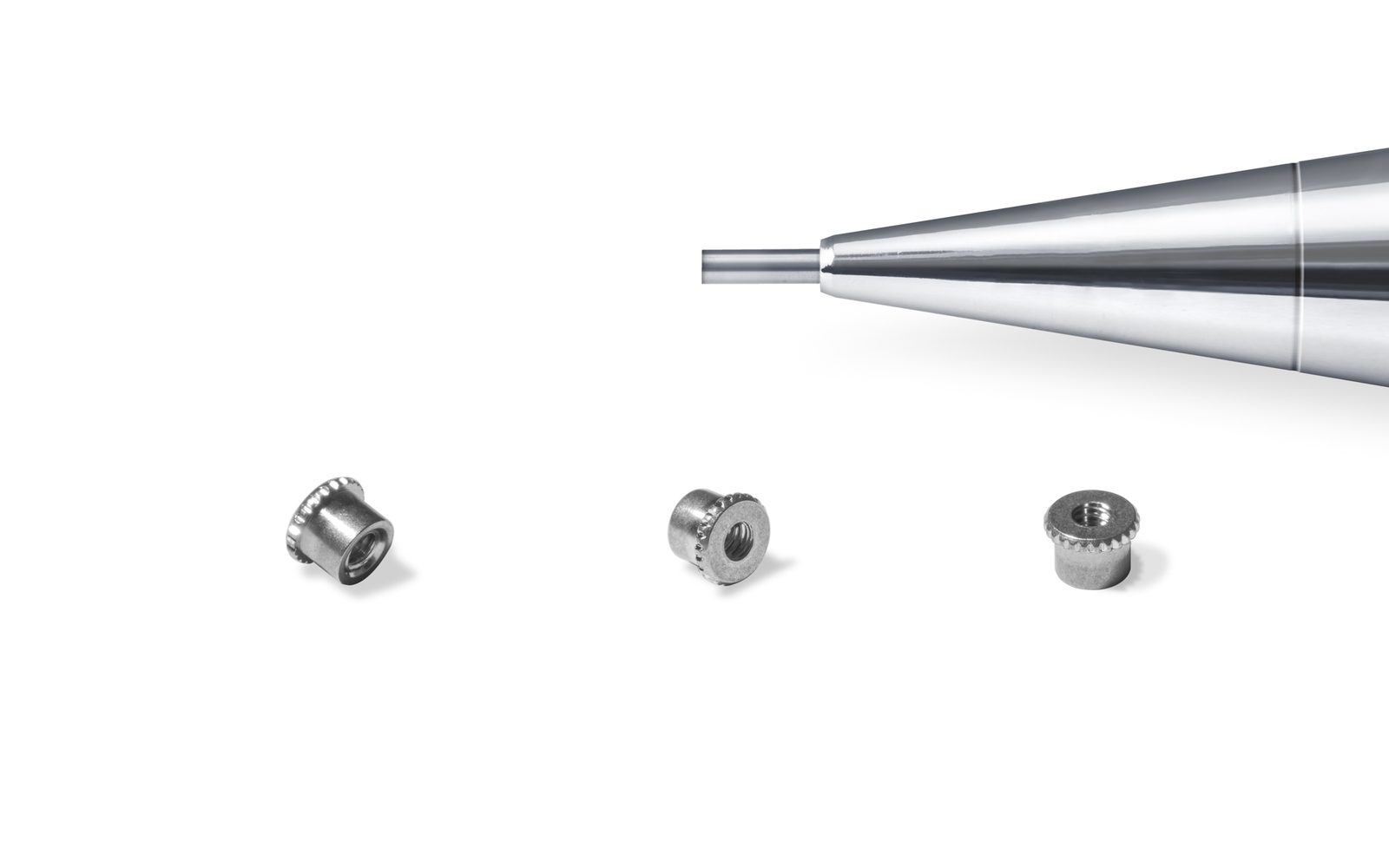
A product that is opened for service strips the thread in its plastic housing. Use a machine screw into a brass insert or heat-set nut at any position that will be serviced. The insert takes the wear and the thread survives repeated assembly.
The thread is closed up by the coating and the screw no longer fits the tapped hole. A PVD film is measured in nanometres to micrometres, so it does not block the thread or change the assembly clearance — which is precisely why it is preferred over plating on micro threads.

Specification basis

Typical requirements for this industry

A starting specification, not a fixed menu. Most programmes adjust one or two of these after the first joint review.

Catalogue diameter range

M0.6 – M2.0

Head styles in production

Countersunk (F), small pan (P), pan / oval (C)

Drive styles

Phillips, TORX®, TORX PLUS®, hex socket, slotted, Tri-wing, Y-type, Pozidriv, double-cross

Materials

SWRCH carbon steel, SUS302HQ, SUS304, SUS316, SUS410, titanium TA2

Magnetic behaviour

Low magnetism on 302HQ / 304 / 316; non-magnetic on TA2

Finishes

Zinc, nickel, zinc-nickel, PVD, passivation, black zinc, colour zinc, nano coating, stoving paint

Locking

Nylon patch, micro-encapsulated adhesive, sealing compound, damping compound from M0.8

Sealing

Up to IP68 with pre-coated head or thread

Packing

Bulk, tray, or tape and reel for solderable hardware

Recommended products

Families we specify most in this industry

Chosen for the tolerance, finish and locking requirements typical of the assemblies described above.

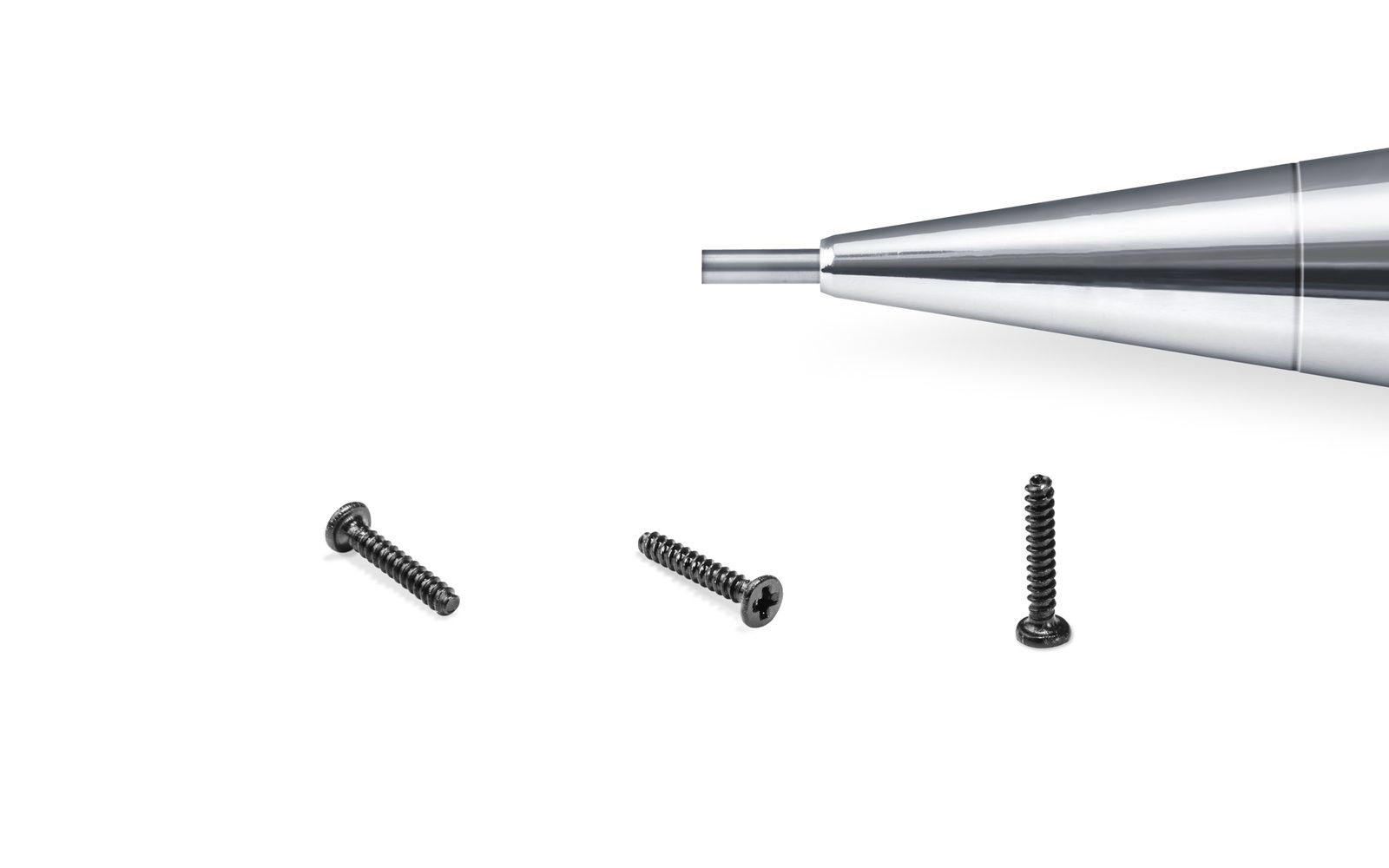
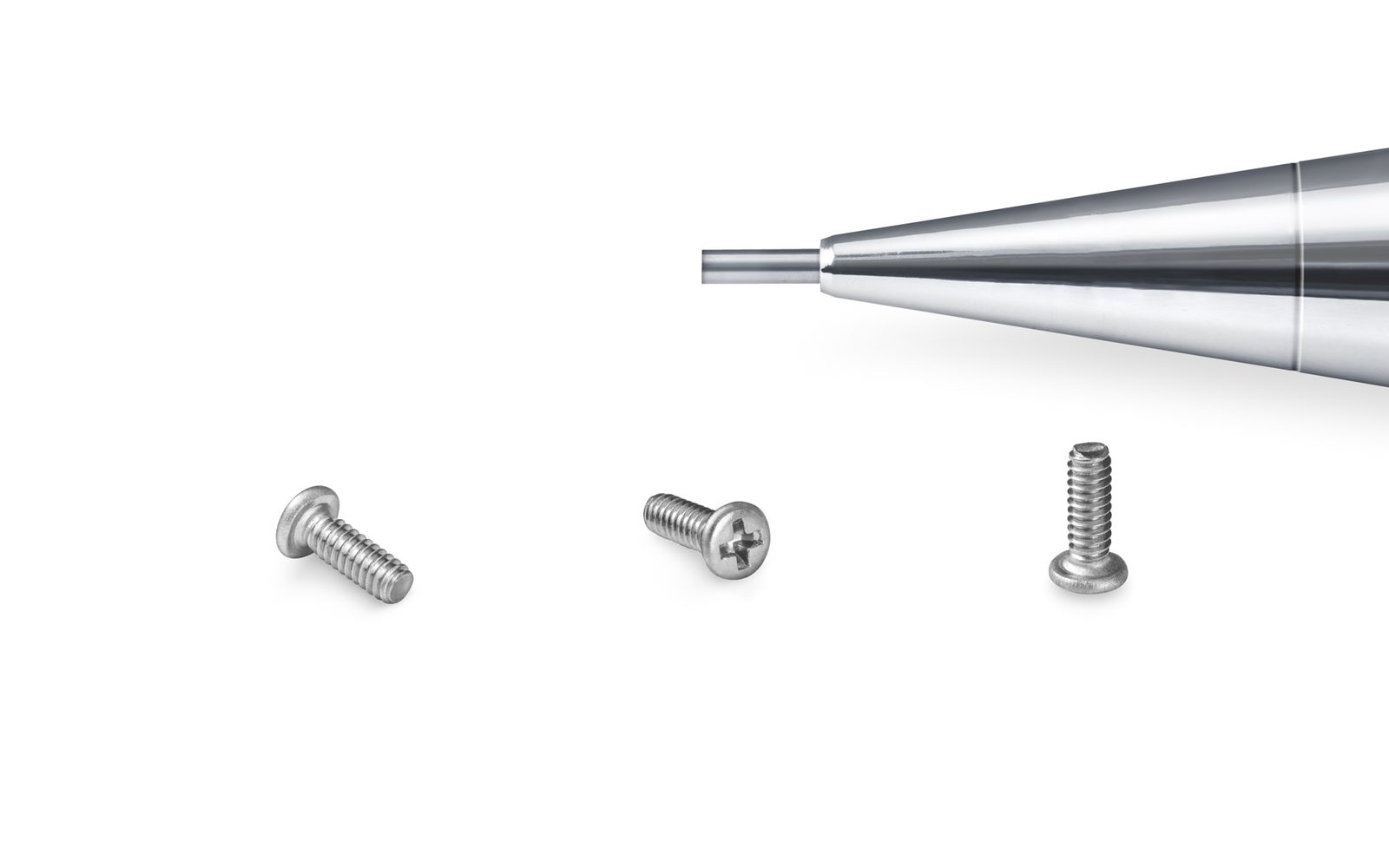
M0.8 machine thread micro screws beside a pencil tip for scale

Micro Screws · M0.6 – M2

Machine Thread Micro Screws

Micro machine screws that engage a pre-formed thread — a tapped hole, a brass insert or a heat-set nut — and hold their clamp load through repeated disassembly.

Coarse & fine pitchRepeated re-assemblyStainless / carbon steel
Pan head self-tapping micro screws arranged in a row

Micro Screws · M1.0 – M2.0

Self-Tapping Micro Screws

Self-tapping micro screws remove the tapping operation: the screw forms its own thread in a plain pilot hole in plastic or thin metal, so the housing needs no insert.

No insert requiredPlastic & sheet metalCase hardened
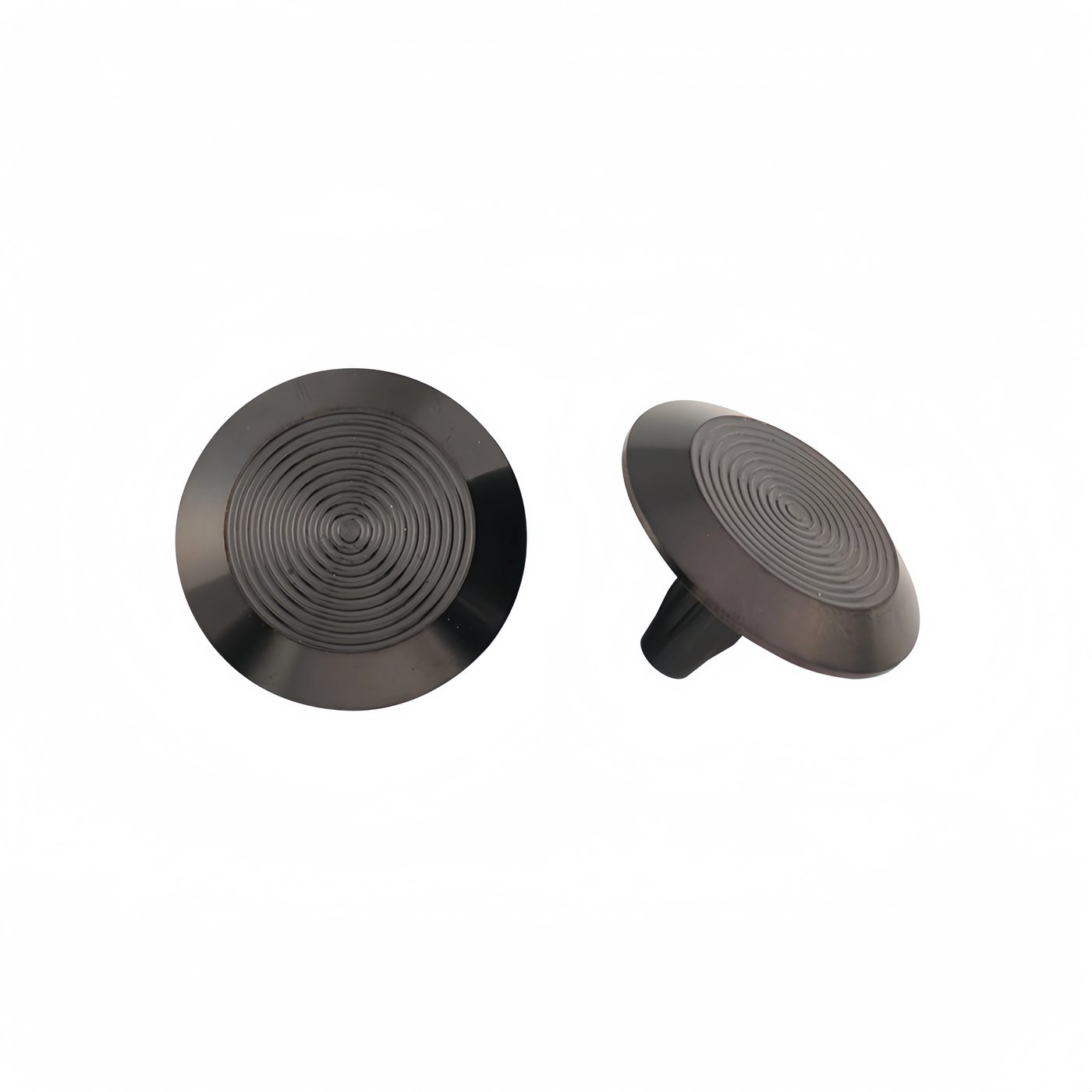
PVD coated screws with a CD-pattern decorative finish

Micro Screws · M1.0 – M2.0

PVD Coated Screws

Physical vapour deposition puts a dense ceramic film on the screw in a vacuum chamber — hard enough to resist driver wear, thin enough that it does not close the thread or change the fit.

Vacuum depositedTen colour optionsNo hydrogen embrittlement
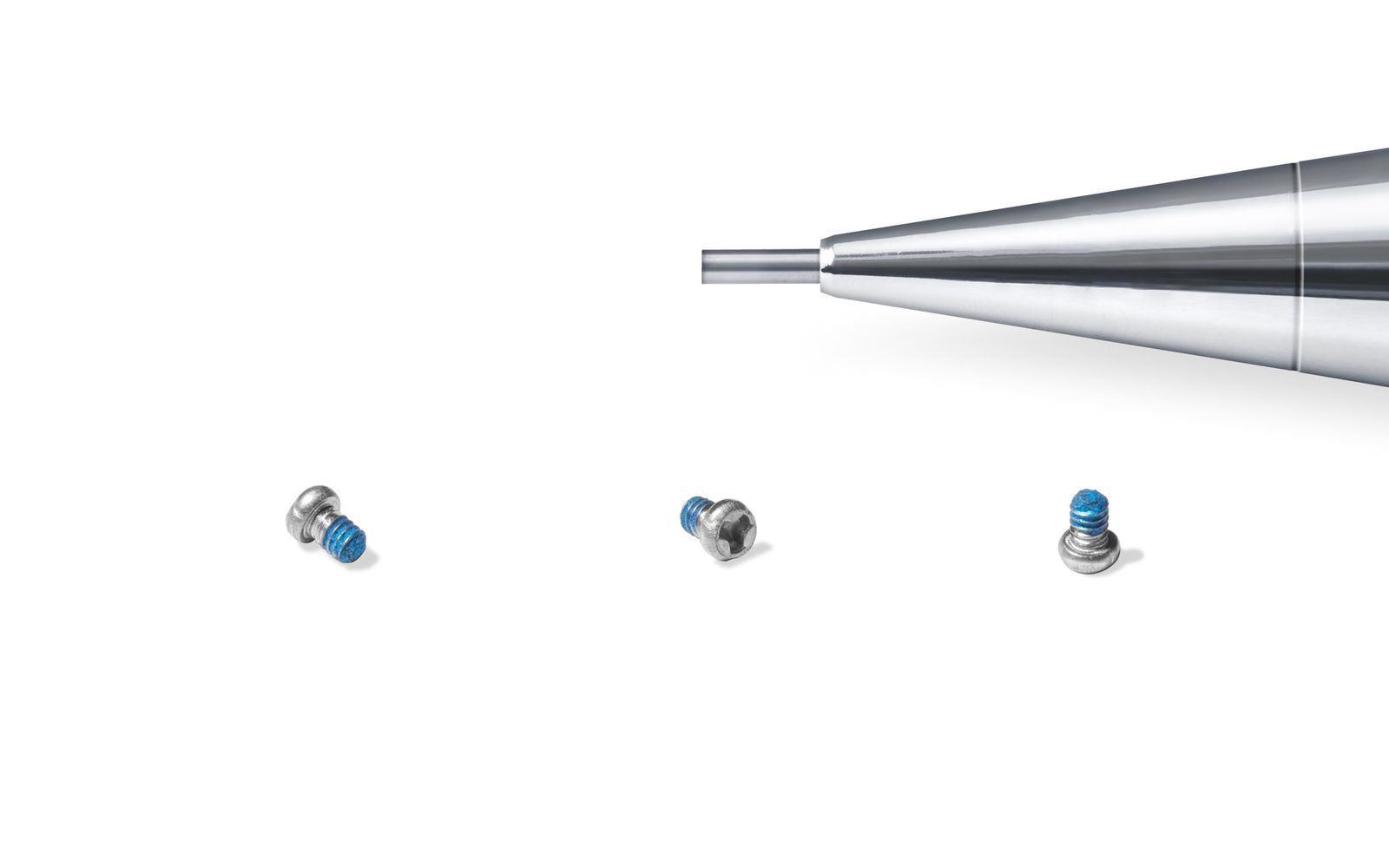
Micro screws with a blue pre-applied threadlocking element

Micro Screws · From M0.8 × 1.0 mm

Precoated Screws

Screws supplied with a locking, sealing or vibration-damping element already applied — micro-encapsulated adhesive, nylon patch, sealant or damping coating, from M0.8 upward.

Four product families90°–360° coverageExternal or internal thread
Threaded inserts for plastic and light alloy assemblies

Thread & Panel · Light alloy & plastic

Thread Inserts

Thread inserts give a lightweight structure a thread that survives repeated assembly — wire thread inserts, self-tapping inserts and key-locking inserts for plastic, aluminium and magnesium.

Wire · self-tapping · key-lockingBrass / steel / titaniumRepeated assembly
PCB standoff and board-level hardware

Pins & Spacers · Board-level hardware

Standoffs & PCB Hardware

Threaded standoffs, solderable tin-plated copper nuts and high-current terminals — the hardware that sets board height and carries power and earth through a PCB stack.

SolderableTape & reelHeight spacing

Design notes

Four things to get right early

These decisions are cheap at concept stage and expensive after tooling is cut.

01

Serviceable positions need machine thread

Any screw that will come out again during the product life should engage a metal thread — a tapped insert or a heat-set nut. A self-tapping screw degrades each time it is re-driven, and the failure appears as a stripped housing, not a stripped screw.

02

Head height is usually the binding constraint

In a phone or a wearable the stack height is fixed long before the fastener is chosen. Countersunk and small pan heads recover the millimetres that a standard pan head consumes, and they are the reason the F and P head forms dominate this industry.

03

Plan the finish before the surface finish

A visible screw is part of the industrial design. Choosing the PVD colour at the same time as the housing colour avoids the situation where a functionally correct screw is rejected for a half-tone difference against the bezel.

04

Specify the drive for the line, not the drawing

A drive that works on a torque driver in the lab can cam out on a pneumatic driver running at production rate. Validate the recess against the actual production tooling before the tool is cut.

Joint review

Send us the assembly, not just the screw

A drawing gives us geometry. The mating material, the service cycles and the cleaning chemistry decide whether the joint works. Send all three and we will review the whole stack.

  • Tolerance stack and fit check
  • Torque and preload recommendation
  • Material and finish selection
  • Locking method and service strategy

Questions

Consumer Electronics fastening FAQ

Answers to the questions that come up most in this industry.

Have a specific joint? Send the section drawing and the service condition. We will reply with a recommended fastener and the reasoning behind it.
What is the smallest screw you produce for consumer electronics?
M0.6 is the smallest catalogue size, with M0.8 and M1.0 the most common production sizes. Below M0.8 the drive recess becomes the limiting feature rather than the thread, so the choice of drive matters more than the choice of material.
Can you match our housing colour?
There are ten standard PVD tones across silver, black, gold, rose gold, dark brown and blue. Where an exact brand colour is required, send a physical reference and it will be evaluated against the palette before quoting.
Why do electronics screws come with locking compound?
Because a phone or wearable vibrates in service and a plain screw has nothing resisting loosening. Most electronic machine screws are specified with a pre-applied locking element so the joint holds without a dispensing step at the line.
Do you support automated feeding?
Screws are optically sorted before packing so that deformed heads and incomplete threads are removed, and solderable board hardware is available in tape and reel. Send the feeder specification with the enquiry so packing suits your equipment.
Can you supply PPAP documentation?
Documentation scope is agreed per project. Tell us the submission level required and it will be confirmed with the quotation, because the inspection and record-keeping scope differs between levels.

Engineering support for consumer electronics programmes

From a single prototype joint to a PPAP production launch, the same team reviews the drawing and the assembly context.