Manufacturing in Bekasi, West Java — Indonesia ISO 9001 · IATF 16949 · ISO 14001 · ISO 45001

Industry

Industrial Electronics

Enclosure, cabinet and control hardware built to be serviced for decades

Cabinets & enclosuresIP68 sealingInserts >8.8Field serviceable
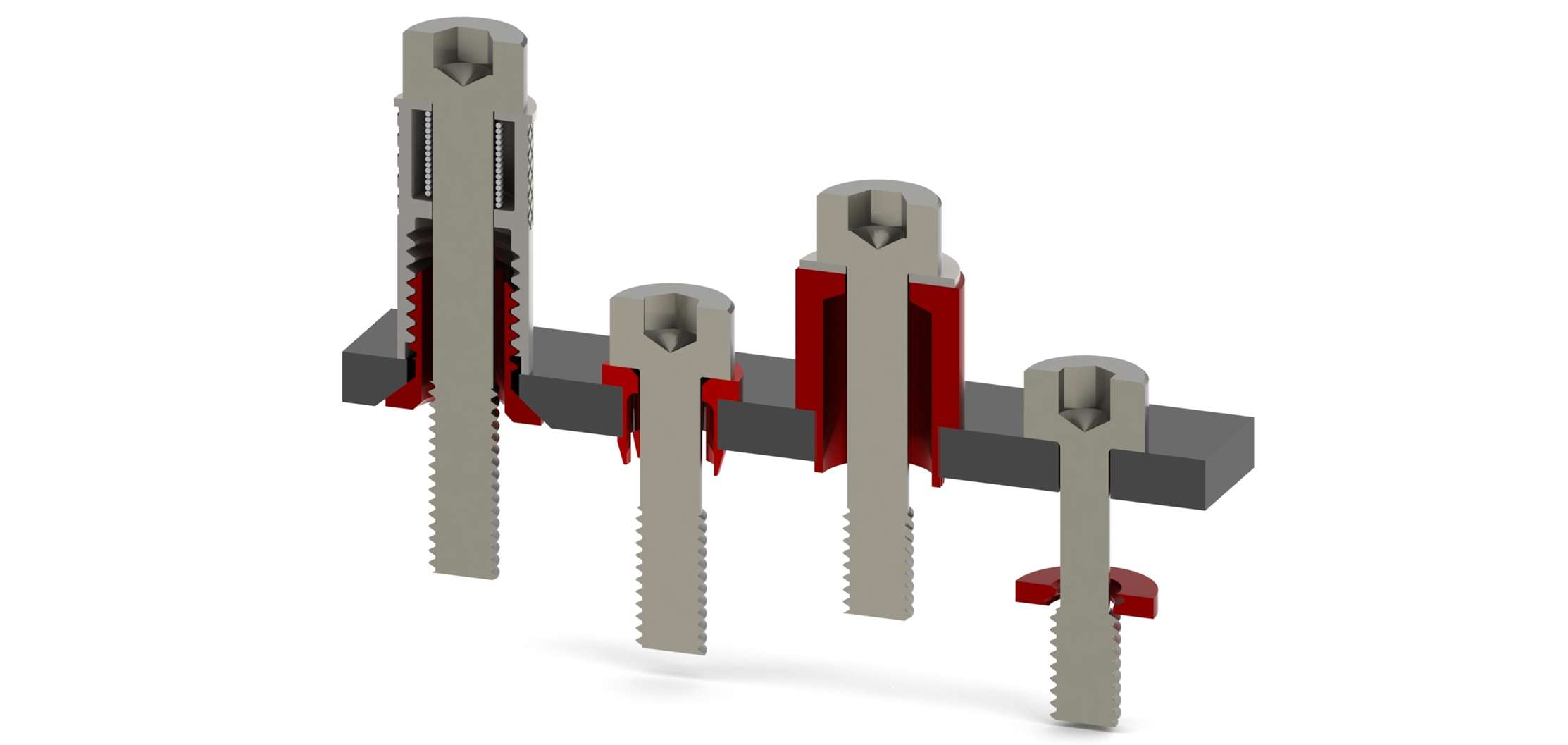
Section view of a captive screw used in an industrial enclosure Industrial Electronics

Why it matters

Enclosure, cabinet and control hardware built to be serviced for decades

Industrial electronics is the opposite of consumer electronics in one important way: the product is expected to last twenty years and be serviced in the field, often by a technician who has never seen it before. The fastener has to work on the day it is installed and on the day it is opened a decade later, in a cabinet that may be hot, dirty or vibrating.

The hardware that makes this possible is unglamorous but specific. Sheet metal cabinets need threads that survive repeated opening, which means clinching or riveting rather than self-tapping into thin sheet. Enclosures that sit outdoors need sealing at every penetration. Controls that see continuous vibration need locking that does not rely on the installer remembering to apply adhesive.

>8.8

Insert strength grade

IP68

Sealing on enclosure fasteners

1-side

Blind installation access

2 forms

Clinching and riveting

Field problems

What actually goes wrong in this industry

These are the failure modes we see most often, and the engineering response that addresses each one. Problems are stated as they appear on the line, not as they appear in a textbook.

Failure mode and engineering response
Problem observed Engineering response
A cabinet door is opened weekly and the sheet metal thread wears out within a year. A clinching nut or rivet nut gives a hardened thread that is part of the panel, so the thread does not depend on the gauge of the sheet.
An outdoor enclosure leaks at the cover screws after the first winter. Sealed studs, sealed rivet nuts and pre-coated screws close the fastener position to IP68, which is where most enclosure leaks actually originate.
A control cabinet assembled on site cannot be reached from behind. Rivet nuts and blind rivets install from the front face, so a closed section can be given a serviceable thread without access to the rear.
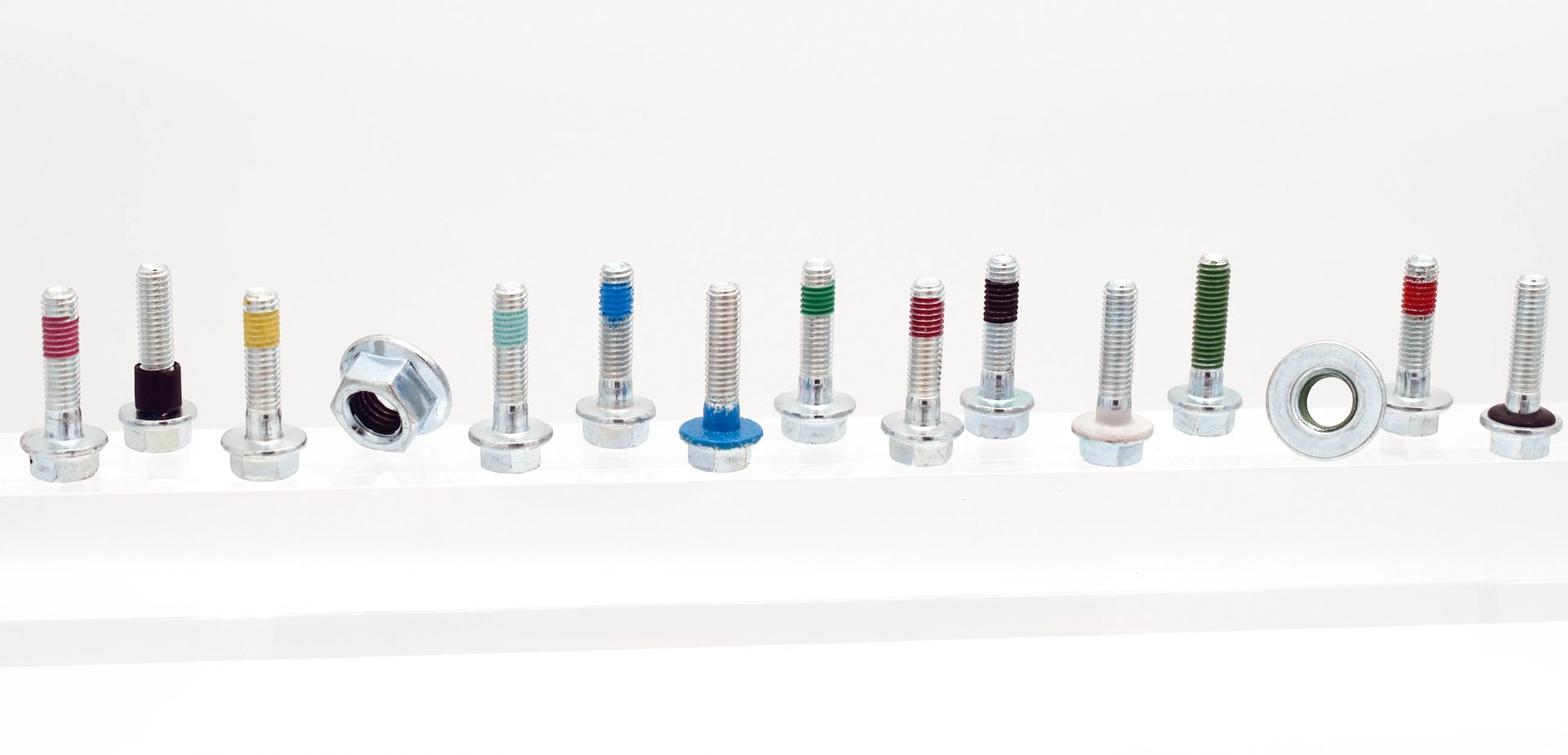
Continuous vibration from a motor or pump relaxes every joint in the panel. Pre-coated locking on the screw, or a lock washer at the joint face, maintains preload where an uncoated screw would slowly unwind.
A threaded insert in an aluminium housing strips after a few service visits. Carbon and stainless thread inserts reach grades above 8.8 and can be replaced when worn, so the housing is not scrapped because a thread failed.
A service technician drops a cover screw into a live cabinet. Captive screws stay with the panel when loosened, which removes the loose-hardware hazard from field service entirely.

Specification basis

Typical requirements for this industry

A starting specification, not a fixed menu. Most programmes adjust one or two of these after the first joint review.

Cabinet threads

Clinching nuts, studs, grounding terminals

Blind installation

Rivet nuts and blind rivets, sealed and non-sealed

Inserts

Thread reinforcing inserts for light alloys, above grade 8.8

Sealing

IP68 on sealed studs, rivet nuts and pre-coated screws

Captive hardware

Spring-loaded and knurled captive screws

Anti-loosening

Pre-coated locking compound and lock washers

Board hardware

Solderable nuts and high-current terminals for control boards

Finishes

Zinc, nickel, passivation, sealed coating

Recommended products

Families we specify most in this industry

Chosen for the tolerance, finish and locking requirements typical of the assemblies described above.

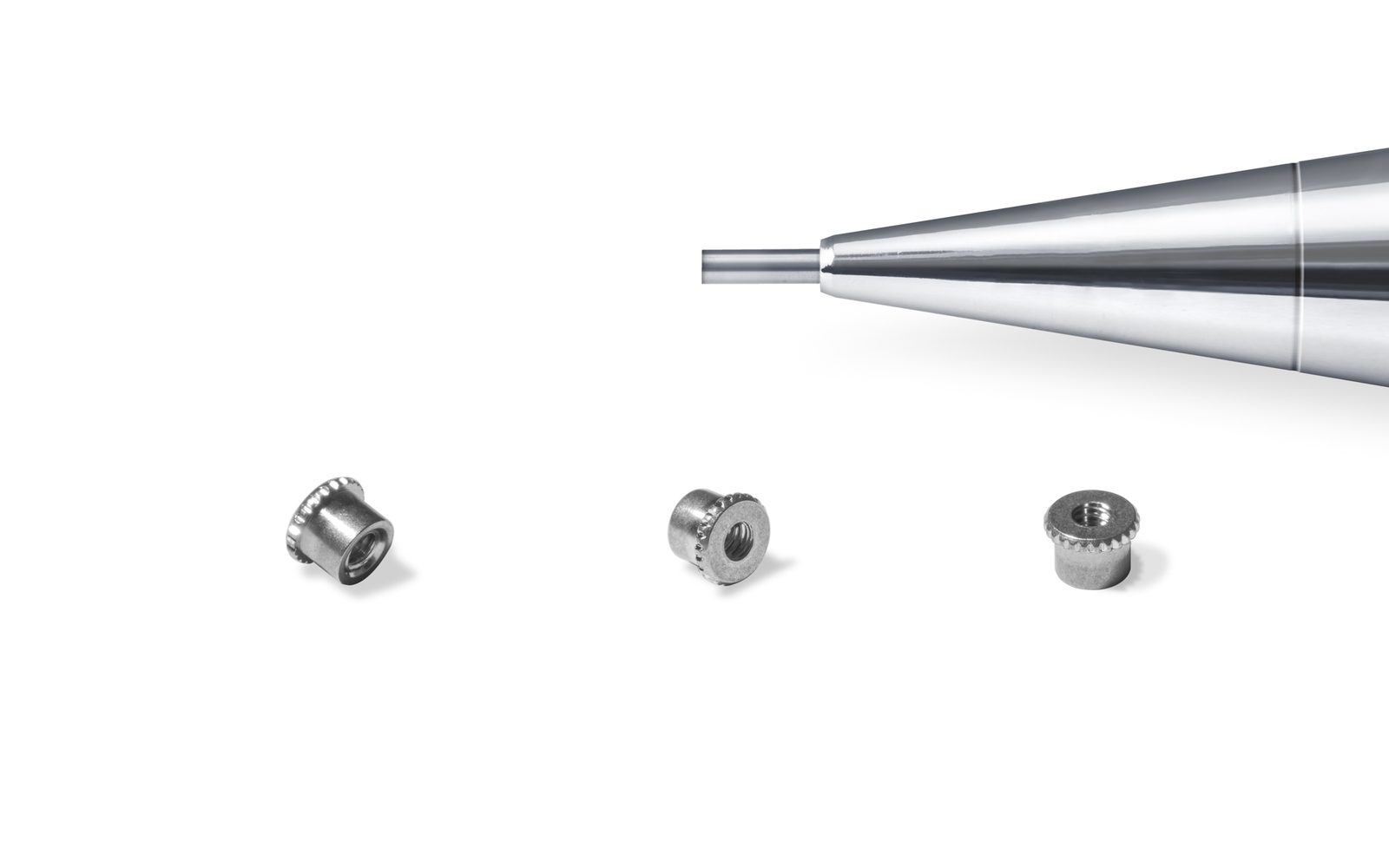
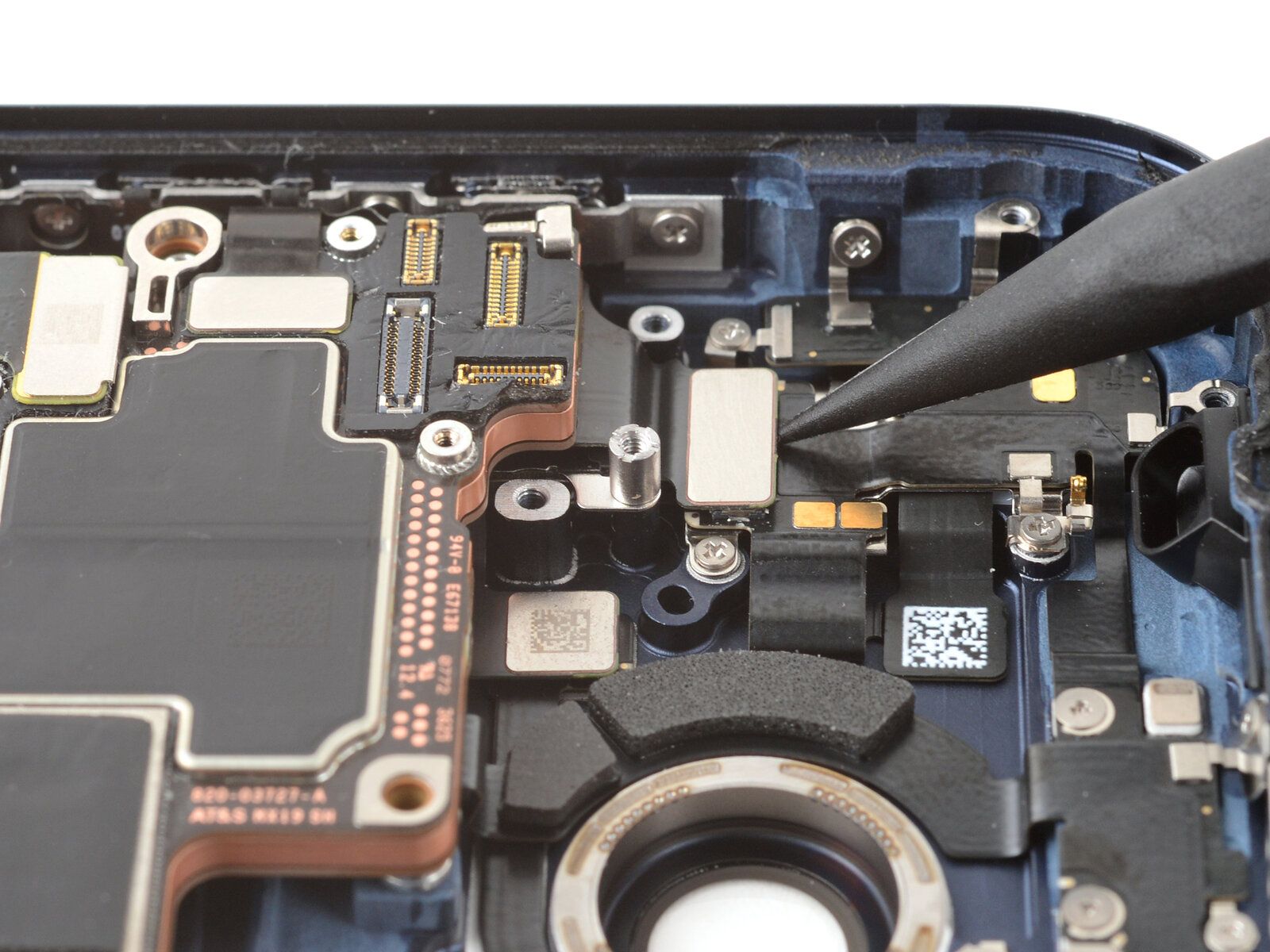
Clinching nuts and threaded standoffs for sheet metal panels

Thread & Panel · Sheet metal panels

Clinching Nuts & Studs

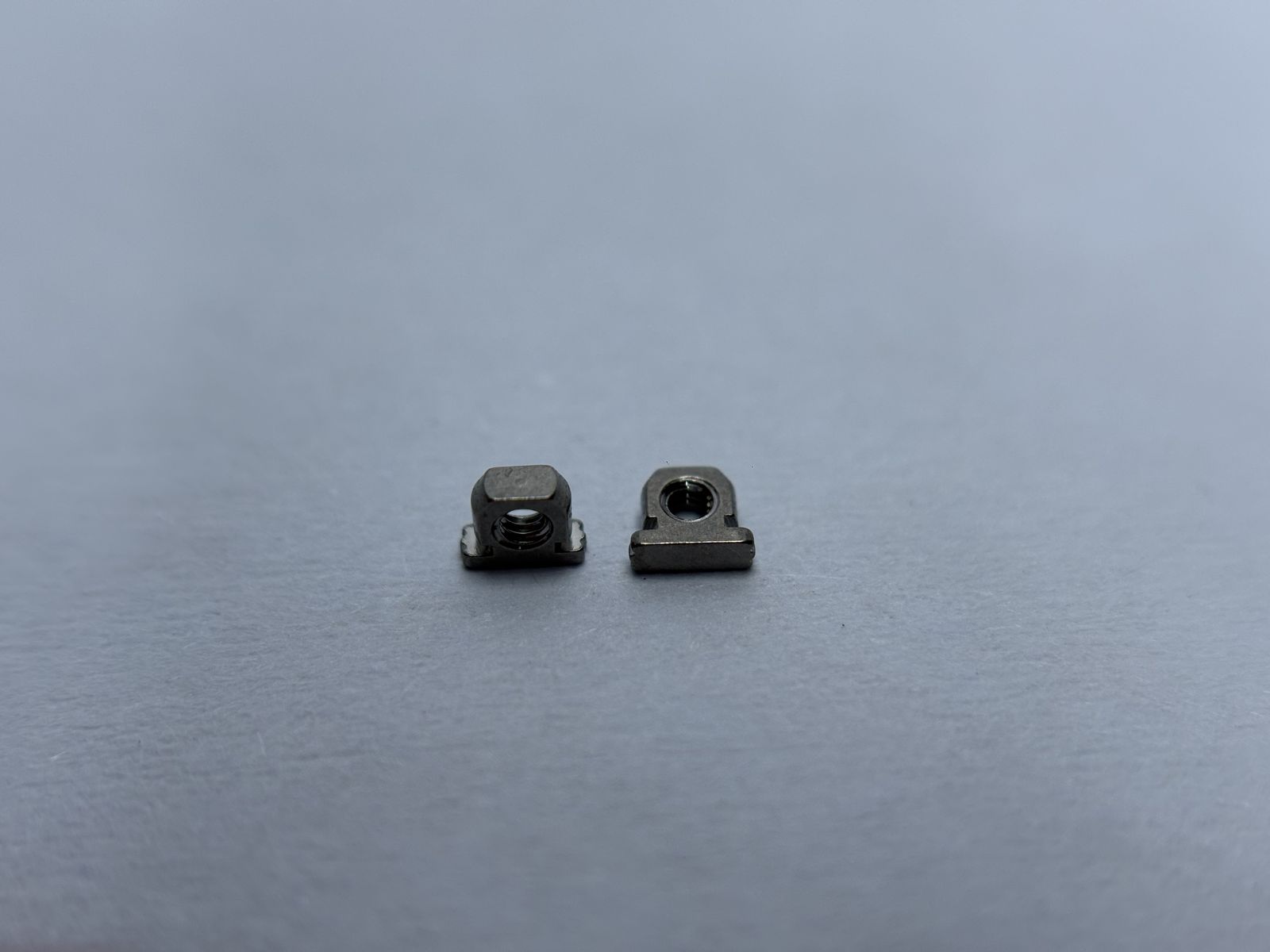
Clinching nuts, studs and grounding terminals are pressed into sheet metal with a press, giving a permanent load-bearing thread in a panel that is often thinner than the thread itself.

Pressed installationNylon locking optionIP68 sealed variants
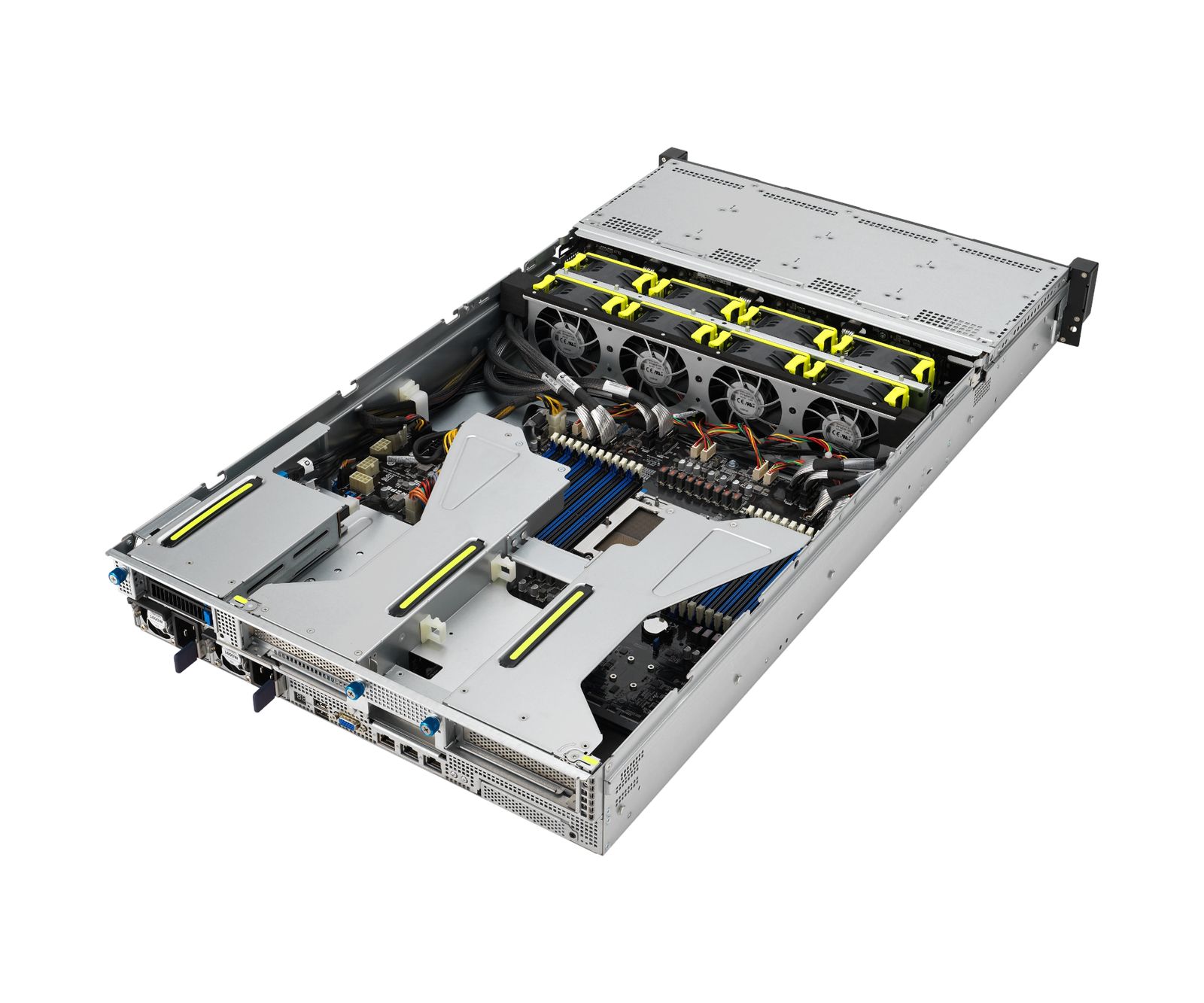
Rivet nuts and fasteners used in a server chassis

Thread & Panel · One-side access

Rivet Nuts & Blind Rivets

Rivet nuts and blind rivets install from the front face only, giving a threaded or permanent joint in a closed box, cabinet or duct where the back is unreachable.

Blind installationSealed & non-sealedPre-coated locking
Threaded inserts for plastic and light alloy assemblies

Thread & Panel · Light alloy & plastic

Thread Inserts

Thread inserts give a lightweight structure a thread that survives repeated assembly — wire thread inserts, self-tapping inserts and key-locking inserts for plastic, aluminium and magnesium.

Wire · self-tapping · key-lockingBrass / steel / titaniumRepeated assembly
Section view of a captive screw assembly

Thread & Panel · Access panels & covers

Captive Screws

Captive screws remain attached to the panel after loosening, so a cover can be removed without the fastener falling into the equipment or getting lost.

Stays with the panelLocking + sealingIP68 option
Precision stamped lock washers and small pressed parts

Thread & Panel · Joint anti-loosening

Lock Washers

Lock washers are among the core anti-loosening fasteners for robot joints and transmission systems, holding preload where vibration would otherwise relax the joint.

Carbon & stainlessAlloy steel optionHigh-frequency vibration
PCB standoff and board-level hardware

Pins & Spacers · Board-level hardware

Standoffs & PCB Hardware

Threaded standoffs, solderable tin-plated copper nuts and high-current terminals — the hardware that sets board height and carries power and earth through a PCB stack.

SolderableTape & reelHeight spacing

Design notes

Four things to get right early

These decisions are cheap at concept stage and expensive after tooling is cut.

01

Design for the service visit, not the assembly line

A cabinet is assembled once and opened many times. The thread, the locking element and the captive feature are all decided by the service visit, and they are much cheaper to design in than to retrofit.

02

Sheet gauge is not a thread specification

A 1 mm panel cannot carry enough engaged thread for a reliable joint no matter how good the screw is. That is the reason clinching and riveting exist — they move the thread out of the sheet and into a part designed to carry it.

03

Sealing is a system property

The gasket, the door, the hinge and every fastener penetration all contribute. A sealed stud is only useful if it is specified alongside the rest of the sealing design.

04

Match the finish to the environment

An indoor cabinet and an outdoor cabinet in a coastal installation need different finishes. Zinc, nickel, passivation and sealed coatings cover the range; the choice should follow from the environment, not from what was used last time.

Joint review

Send us the assembly, not just the screw

A drawing gives us geometry. The mating material, the service cycles and the cleaning chemistry decide whether the joint works. Send all three and we will review the whole stack.

  • Tolerance stack and fit check
  • Torque and preload recommendation
  • Material and finish selection
  • Locking method and service strategy

Questions

Industrial Electronics fastening FAQ

Answers to the questions that come up most in this industry.

Have a specific joint? Send the section drawing and the service condition. We will reply with a recommended fastener and the reasoning behind it.
What is the difference between a clinching nut and a rivet nut?
A clinching nut is pressed into the panel and cold-flows into the sheet, so it needs access to both faces at a press. A rivet nut is installed from the front only by deforming on the blind side. Clinching is flatter and more rigid; riveting works where the rear cannot be reached.
How do I keep an outdoor cabinet at IP68?
Seal every penetration, not just the door. Sealed studs, sealed rivet nuts and pre-coated screws close the fastener positions, which is where most leaks appear after a season outdoors.
Can a thread insert be replaced?
Yes — that is one of its advantages. A worn insert can be removed and replaced without scrapping the housing, which matters when the housing is a machined or cast component.
Why do industrial panels use lock washers?
Because motors, pumps and contactors produce continuous vibration. A lock washer maintains preload at the joint face, which is a different function from a thread-locking compound on the screw.
Do you supply installation tooling?
Fasteners are supplied to suit standard clinching and riveting equipment. Send the tooling specification with the enquiry so the fastener geometry matches the equipment already on your line.

Engineering support for industrial electronics programmes

From a single prototype joint to a PPAP production launch, the same team reviews the drawing and the assembly context.