
Capability
Automatic Assembly
Sub-assemblies built by machine, not by hand
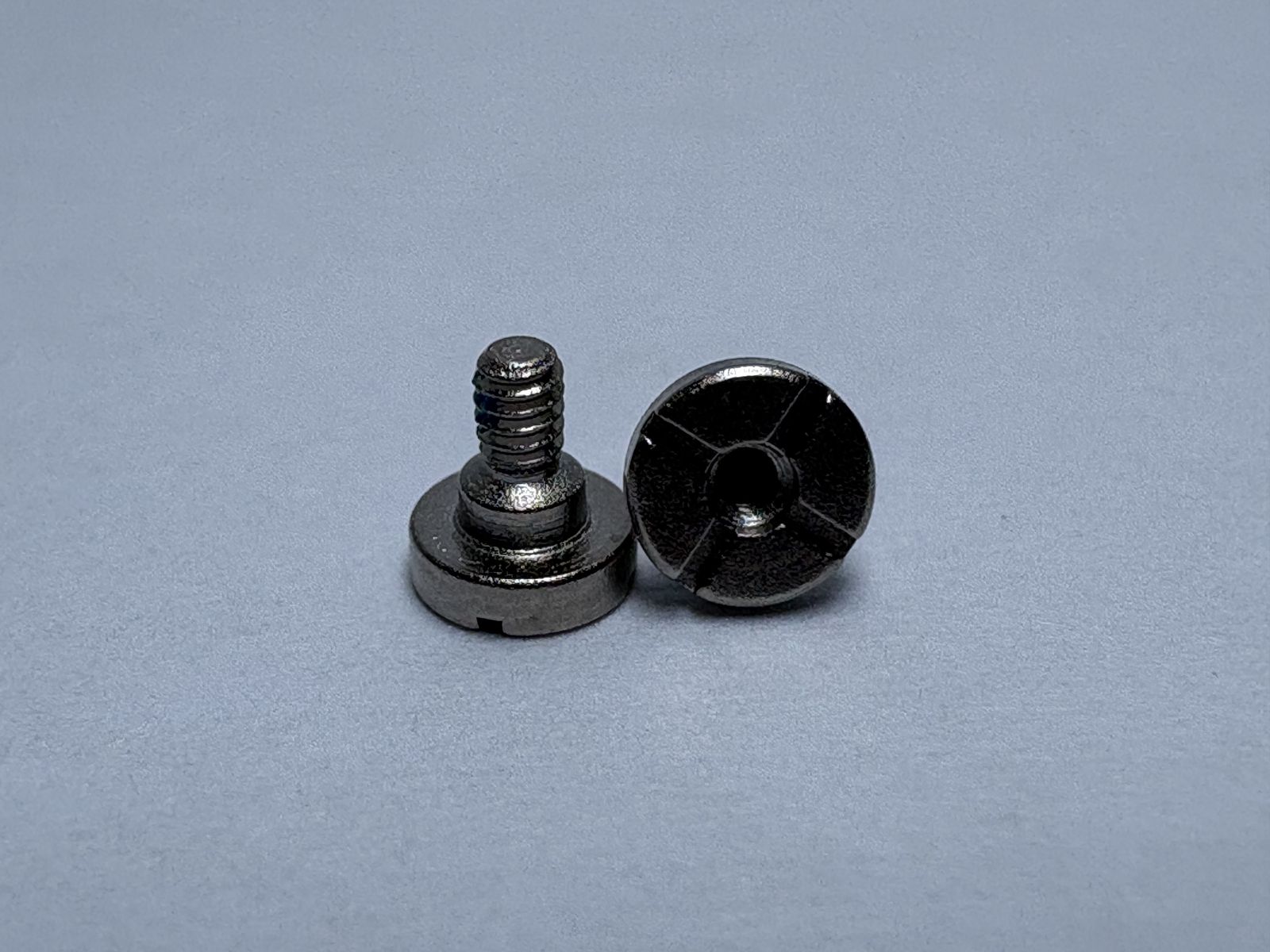 Automatic Assembly · Bekasi plant
Process overview
Sub-assemblies built by machine, not by hand
Many fasteners are not used as single parts. A screw with a captive washer, a screw with a sealing ring, a spring pin pressed into a housing — each of these is a small assembly that somebody has to build. Building it at the fastener plant rather than at the customer line removes an operation, a stock item and a chance for the assembly to be done incorrectly.
Automatic assembly is the step that makes this practical at volume. Spring pin assembly is one of the equipment patents in the group, and the same principle applies across the range: the sub-assembly is built by a machine that repeats the same motion with the same force, which is more consistent than a manual station and does not depend on the operator remembering a step.
Step by step
How the process runs
Each step has a defined control point. The sequence is not arbitrary — changing it changes the result.
Sub-assembly design review
The assembly is reviewed for whether it can be built by machine and whether it will survive handling and shipping as one part.
Component feeding
Screws, washers, seals and pins are fed in the correct orientation so the station never assembles a reversed part.
Automatic assembly
The station presses, threads or seats the components with a controlled force and stroke.
In-process check
Assembled parts are checked for presence and seating so that a missing washer is detected at the station rather than at the customer.
Packing
Sub-assemblies are packed in a format that suits the customer feeder, so they arrive as a single part number.
Specification
Process window and capability
The numbers below define what the process can hold repeatably. They are not laboratory bests.
Sub-assemblies
Screw with washer, screw with sealing ring, screw with captive element, spring pin assemblies
Method
Automatic station with controlled force and stroke
Consistency
Same motion and force on every part, independent of operator
Detection
In-process presence and seating check
Benefit to customer
One part number instead of several; one line operation instead of several
Equipment patents
Spring pin assembly (+30% efficiency), sorting and packaging (+35% efficiency)
Equipment
What the line is built on
Capacity figures are per machine and assume a standard part. Complex geometry reduces throughput.
| Equipment | Specification |
|---|---|
| Automatic assembly stations | Screw, washer, seal and pin sub-assembly |
| Spring pin assembly | Patented automatic assembly — efficiency increased by 30% |
| Automatic product sorting and packaging | Patented line — efficiency increased by 35% |
Process control
What is checked, and when
A control that is not recorded is not a control. Each item below generates a record linked to the lot code, retained for the programme duration.
01
Component presence verified at the station
02
Assembly force and stroke monitored
03
First-off assembly checked before the run continues
04
Sample pull-apart or seating check per lot
05
Packing format verified against the customer feeder specification
Questions
Automatic Assembly FAQ
Practical questions from sourcing and engineering teams.
Why buy a sub-assembly instead of the parts?
Can a screw and sealing ring be supplied assembled?
How is a missing component detected?
Does automatic assembly change the part?
Related capabilities
What happens before and after
These processes are usually sequenced with the one above.
Capability
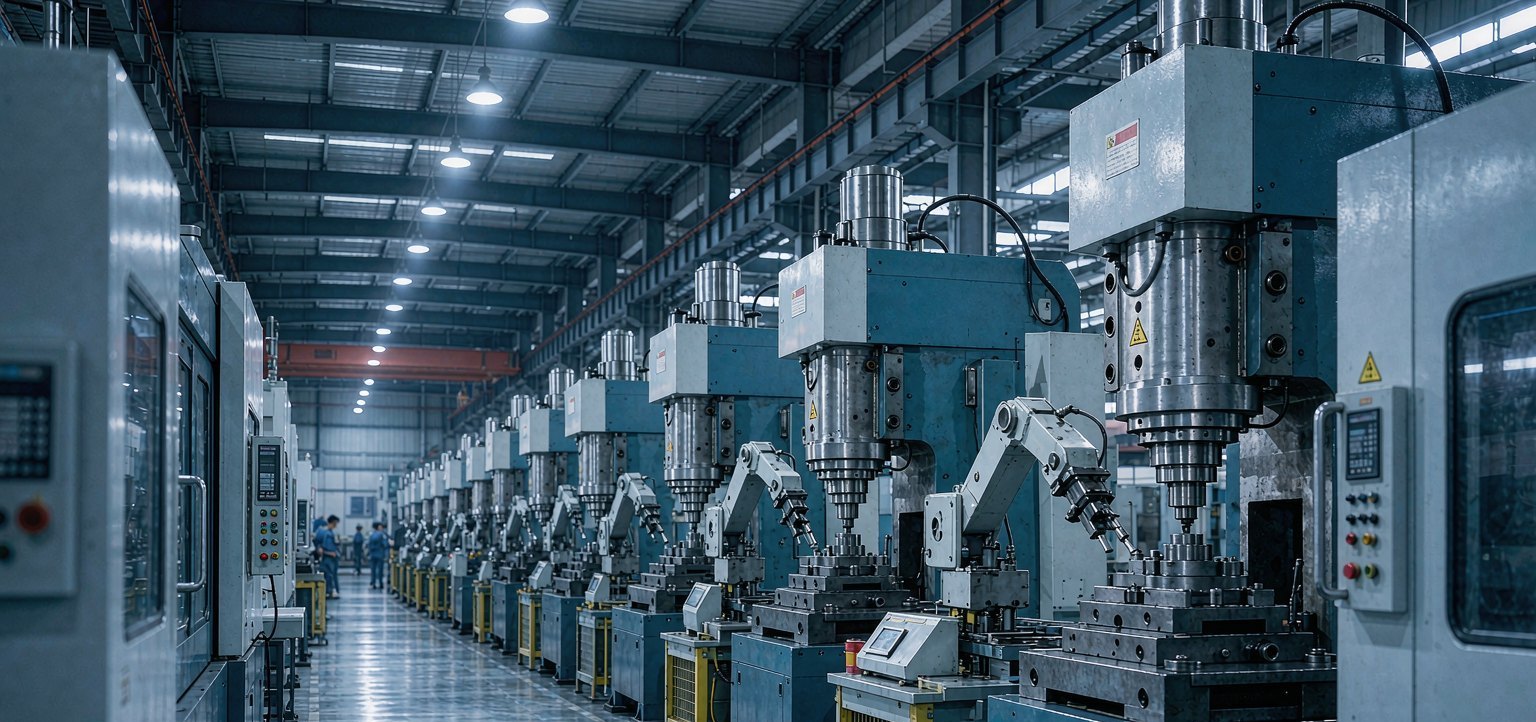
Cold Forging
Single- and multi-station cold heading forms the screw from wire, so the grain follows the part contour and no material is machined away.
Capability
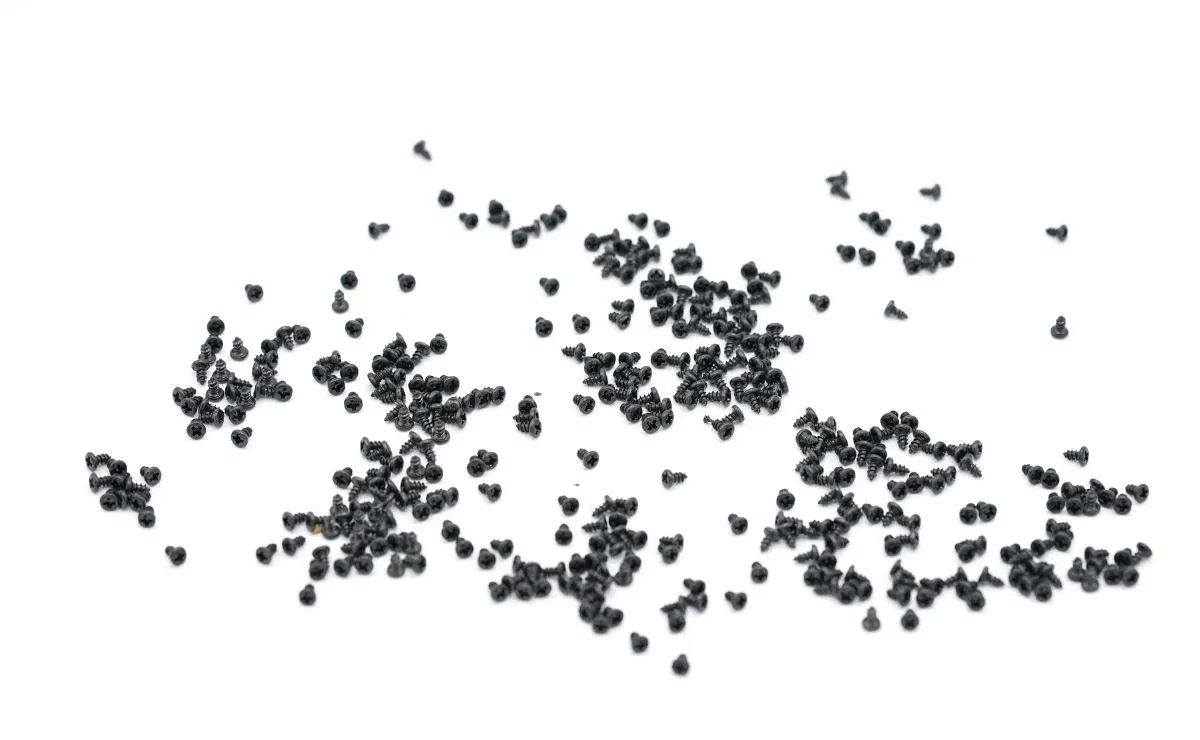
Optical Sorting & Packing
Vision and laser sorting inspects every screw for head, recess and dimensional defects, and packs the accepted parts in the format the customer feeder needs.
Capability
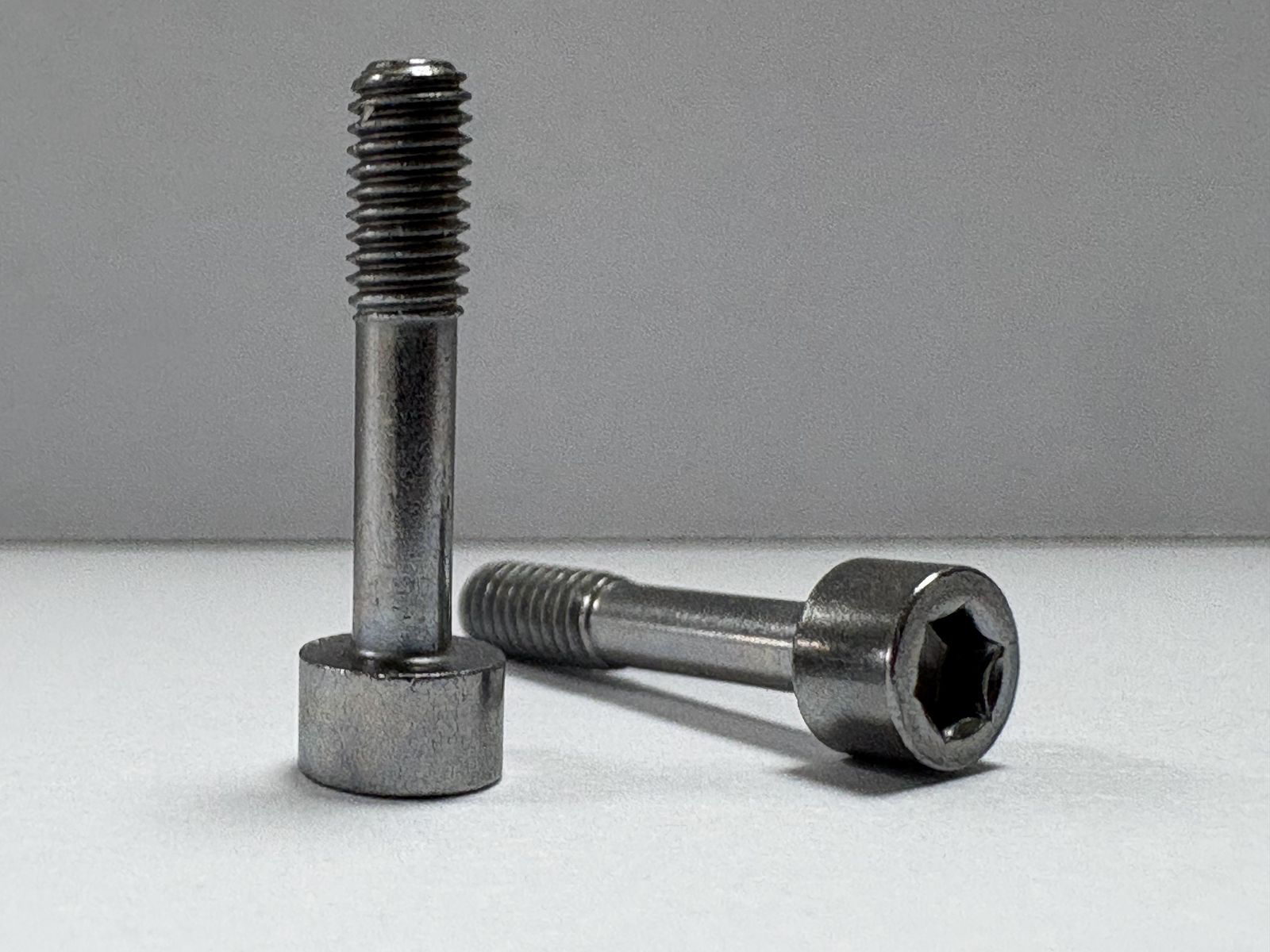
Inspection Laboratory
Metallography, hardness, dimensional measurement, tensile, friction, salt spray, coating thickness and RoHS testing, all in-house so a question can be answered without waiting for an outside lab.
Need automatic assembly for your part?
Send the drawing and the annual volume. We will confirm feasibility, tolerance and lead time in the quotation.