Thread & Panel · One-side access
Rivet Nuts & Blind Rivets
Rivet nuts and blind rivets install from the front face only, giving a threaded or permanent joint in a closed box, cabinet or duct where the back is unreachable.
Thread & Panel
A permanent thread pressed into sheet metal, with no welding and no rivet
Sheet metal panels · Thread & Panel Overview
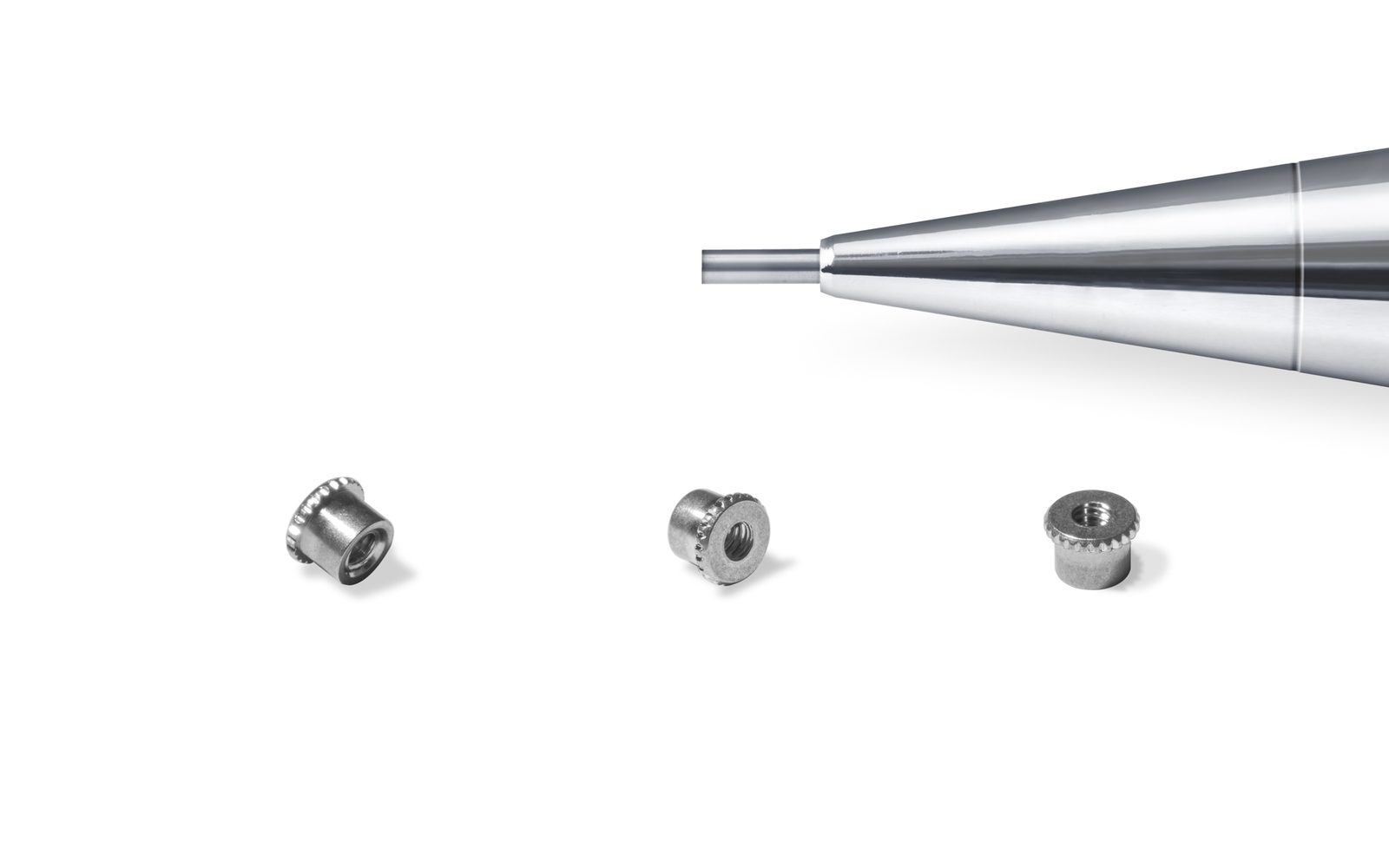
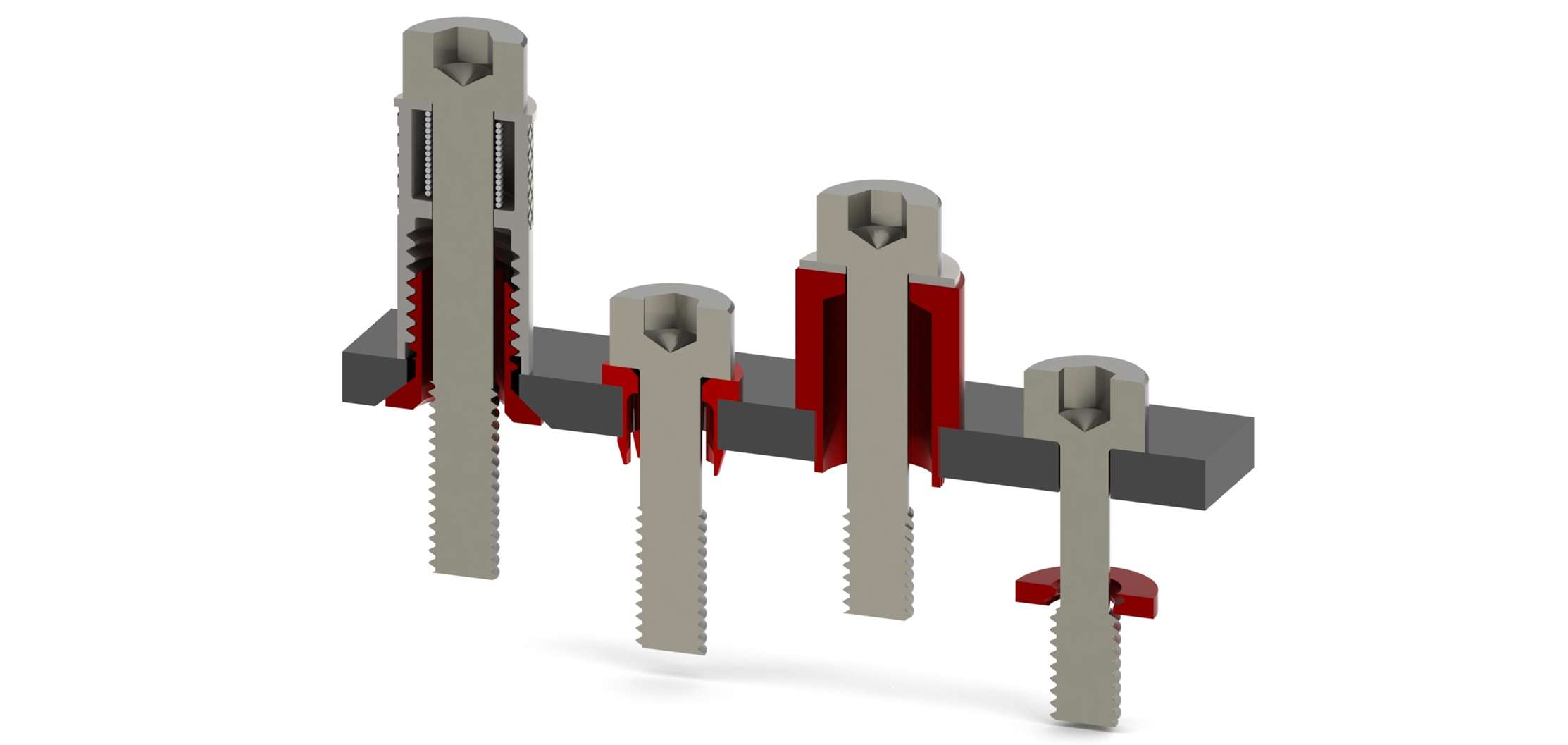
Sheet metal is a poor host for a thread. It is thin, it deforms under load and it cannot carry enough engaged thread to hold a screw reliably. A clinching nut solves this by becoming part of the panel: the nut is pressed into a prepared hole and its knurled or undercut shoulder cold-flows into the sheet, so the panel itself locks the fastener in place.
The result is a permanent, load-bearing thread that can be installed in a single press stroke with no welding, no riveting and no loose hardware on the line. In electronics enclosures the same family includes clinching studs, clinching grounding terminals for the earth connection between panels, and sealed variants that hold an ingress rating where the fastener passes through the enclosure wall.
Product types
Clinching nut, clinching stud, grounding terminal
Substrate
Sheet metal panels and enclosures
Installation
Pressed with clinching equipment — one stroke per fastener
Locking option
Embedded nylon element for locking and anti-loosening
Sealing
Sealed variants achieve IP68 on waterproof enclosures
Grounding
Dedicated clinching grounding terminal for the panel earth connection
Design intent
Six engineering decisions that separate a micro fastener that works from one that merely fits the drawing.
The nut cold-flows into the panel and stays there. No welding, no loose nut and washer on the assembly line.
Some variants carry an embedded nylon element that provides locking and anti-loosening without a separate threadlocker.
A dedicated clinching terminal provides the earth connection between sheet metal parts, with the contact resistance controlled by the installation.
Sealed clinching studs let a fastener pass through a waterproof enclosure wall without breaking the ingress rating.
A single press stroke per fastener, using clinching equipment rather than a welding or riveting station.
Because the panel forms the lock, joint quality depends on press setting rather than operator technique — an important advantage in high-volume enclosure production.
Technical data
Reference data for design and sourcing. For a specific part, the drawing governs — these tables are the starting point for a joint review.
| Product | Function | Locking | Sealing | Typical position |
|---|---|---|---|---|
| Clinching nut | Threaded boss in sheet metal | Optional nylon element | Sealed variants | Enclosure cover fixing |
| Clinching stud | Permanent male thread on a panel | Not applicable | Sealed to IP68 | Panel-to-panel assembly |
| Grounding terminal | Earth connection between panels | Not applicable | Not applicable | Chassis earthing point |
| Nylon-locking nut | Thread with integrated anti-loosening | Yes | Sealed variants | Vibration-exposed cover |
Values are typical for the stated material and finish. Actual performance depends on the mating material, engagement length and assembly torque. Confirm with a sample test before design freeze.
Options
Mix these within one part number family. Where a combination is not manufacturable at your tolerance, we will say so at quotation rather than after the first lot.
Where it is used
Representative positions rather than an exhaustive list. Many of our parts are designed for one specific assembly and never appear in a catalogue.
| Assembly | Typical use |
|---|---|
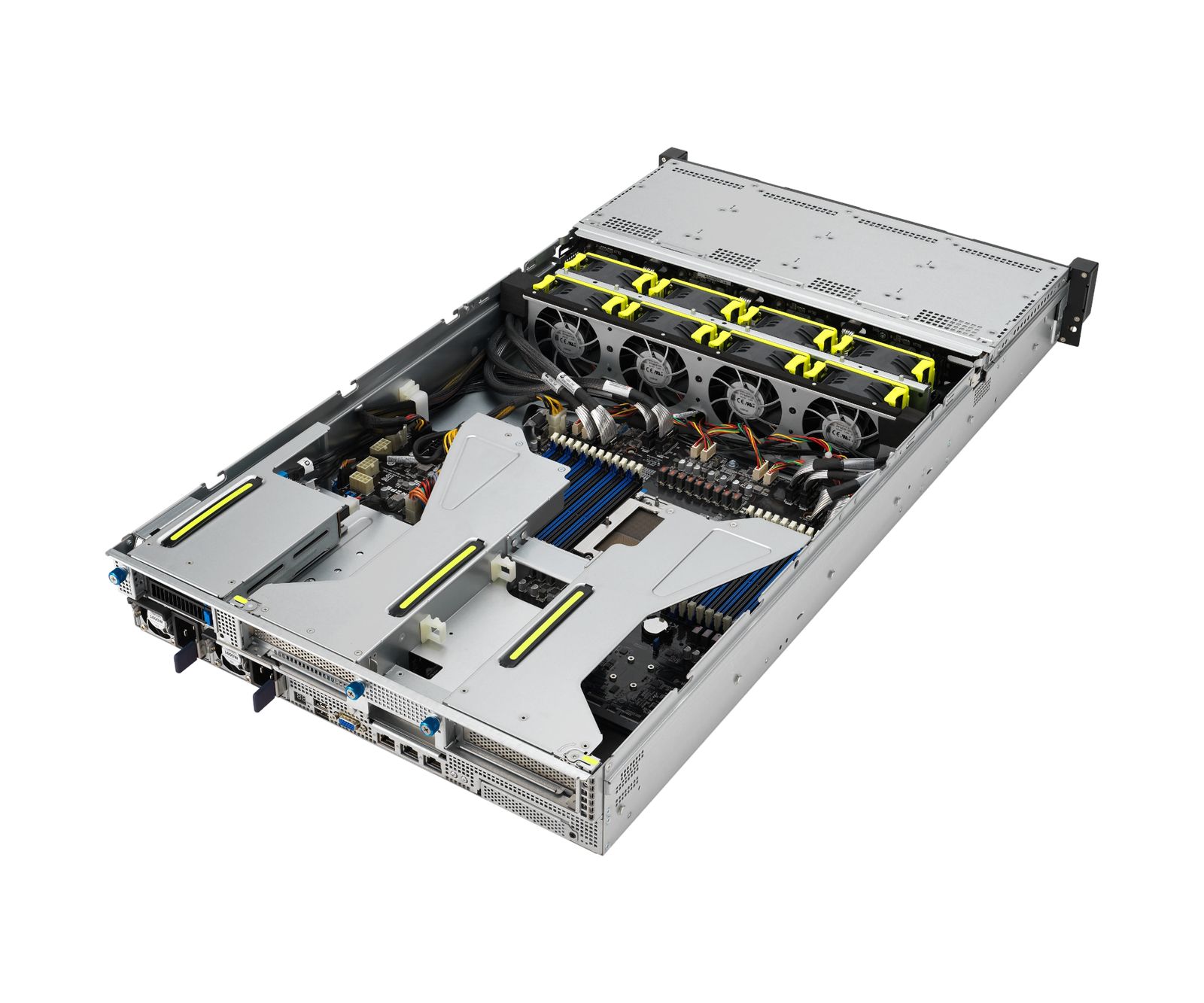
| Server chassis cover | Clinching nuts giving repeated-service threads in thin steel covers |
| Electronic enclosure | Sealed studs passing through a waterproof wall at IP68 |
| Chassis grounding point | Grounding terminals bonding panels to earth |
| Mounting bracket | Studs providing a male thread on a formed bracket |
| Control cabinet | Nylon-locking nuts on vibration-exposed doors |
| Sheet metal sub-assembly | Clinching nuts replacing welded nuts on a production line |
Quality control
Inspection is not a final gate. It is a set of checks placed where a process can actually drift, with the result recorded against the lot code.
01
Thread gauge, GO / NO-GO
02
Push-out and torque-out resistance on sample panels
03
Installed height and flushness
04
Hole size and panel thickness check before installation
05
Sealing verification where an IP rating applies
06
Contact resistance for grounding terminals
07
Visual inspection for panel deformation around the fastener
Questions
The questions our engineers answer most often on this product family.
Related products
These families are frequently used in the same assembly, or as an alternative when the joint requirement changes.
Thread & Panel · One-side access
Rivet nuts and blind rivets install from the front face only, giving a threaded or permanent joint in a closed box, cabinet or duct where the back is unreachable.
Thread & Panel · Light alloy & plastic
Thread inserts give a lightweight structure a thread that survives repeated assembly — wire thread inserts, self-tapping inserts and key-locking inserts for plastic, aluminium and magnesium.
Thread & Panel · Access panels & covers
Captive screws remain attached to the panel after loosening, so a cover can be removed without the fastener falling into the equipment or getting lost.
Pins & Spacers · Board-level hardware
Threaded standoffs, solderable tin-plated copper nuts and high-current terminals — the hardware that sets board height and carries power and earth through a PCB stack.
Send a drawing or 3D model with the mating material and finish requirement. The reply is a process route, a tolerance review and a price — with the assumptions stated.