
Capability
Surface Treatment & PVD
Corrosion, colour and friction — chosen as a system
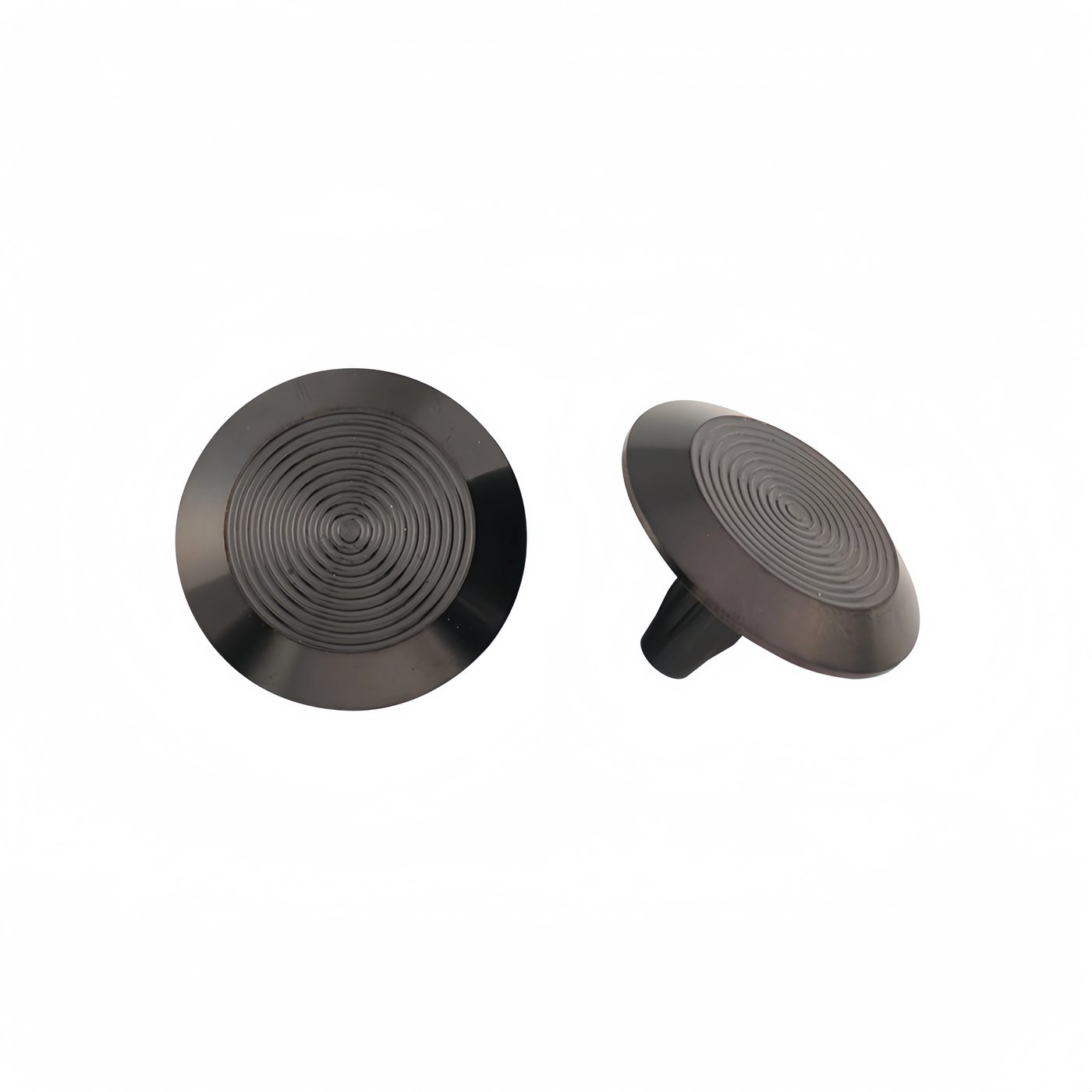 Surface Treatment & PVD · Bekasi plant
Process overview
Corrosion, colour and friction — chosen as a system
A finish is not decoration applied at the end of the process — it changes the part. It changes the thread dimensions, the friction coefficient, the electrical behaviour of the joint and the way the screw behaves in a salt spray test. Choosing a finish is therefore a specification decision, not a purchasing one.
The range covers the conventional and the decorative. Electroplated zinc, zinc-nickel and nickel provide sacrificial corrosion protection and are the default for steel parts. Passivation restores the oxide layer on stainless steel after machining or handling. PVD deposits a hard ceramic film in vacuum, which is chosen for wear resistance, low friction and stable colour rather than for sacrificial protection — the two mechanisms should not be confused.
Step by step
How the process runs
Each step has a defined control point. The sequence is not arbitrary — changing it changes the result.
Pre-treatment
Parts are degreased and cleaned so that the coating or film bonds to the substrate rather than to contamination.
Plating or passivation
Zinc, zinc-nickel, nickel or passivation is applied, with thickness controlled against the specification.
Hydrogen relief
Hardened parts that have been electroplated are baked to remove hydrogen before it can cause brittle failure.
PVD deposition
For PVD, parts are loaded into a vacuum chamber where the film is deposited atom by atom onto the surface.
Thickness and colour verification
Coating thickness is measured, and PVD colour is compared against a retained master sample.
Re-gauging
Threads are gauged again after coating, because a finish that adds thickness can move a thread out of its fit class.
Specification
Process window and capability
The numbers below define what the process can hold repeatably. They are not laboratory bests.
Plated finishes
Zinc (blue-white, colour, black, green), zinc-nickel alloy, nickel
Conversion finishes
Passivation for stainless steel
Coated finishes
Nano coating, stoving paint (colour matched)
PVD film
Vacuum deposited ceramic film, nano to micrometre thickness
PVD colours
Silver (2), black (2), gold (2), rose gold, dark brown (2), blue
Effect on thread
Plating adds thickness; PVD is thin enough not to affect the fit
Hydrogen risk
Present with electroplating, absent with PVD
Selection drivers
Corrosion, appearance, friction, electrical contact, dimensional effect
Equipment
What the line is built on
Capacity figures are per machine and assume a standard part. Complex geometry reduces throughput.
| Equipment | Specification |
|---|---|
| Plating lines | Zinc, zinc-nickel and nickel electroplating |
| Passivation line | Stainless steel passivation after machining and handling |
| PVD chambers | Vacuum deposition for decorative and wear-resistant films |
| Film thickness gauge | Coating thickness measurement |
| Salt spray chamber | Neutral salt spray corrosion testing |
Process control
What is checked, and when
A control that is not recorded is not a control. Each item below generates a record linked to the lot code, retained for the programme duration.
01
Coating thickness measured per batch
02
Salt spray testing where a corrosion grade is specified
03
Appearance inspection against a retained master sample
04
Thread gauge after coating
05
Hydrogen relief record for hardened plated parts
06
Adhesion and colour check on PVD batches
Questions
Surface Treatment FAQ
Practical questions from sourcing and engineering teams.
Zinc or zinc-nickel?
Why choose PVD instead of plating?
Can a coating make a thread fail its gauge?
Does passivation add a layer?
Related capabilities
What happens before and after
These processes are usually sequenced with the one above.
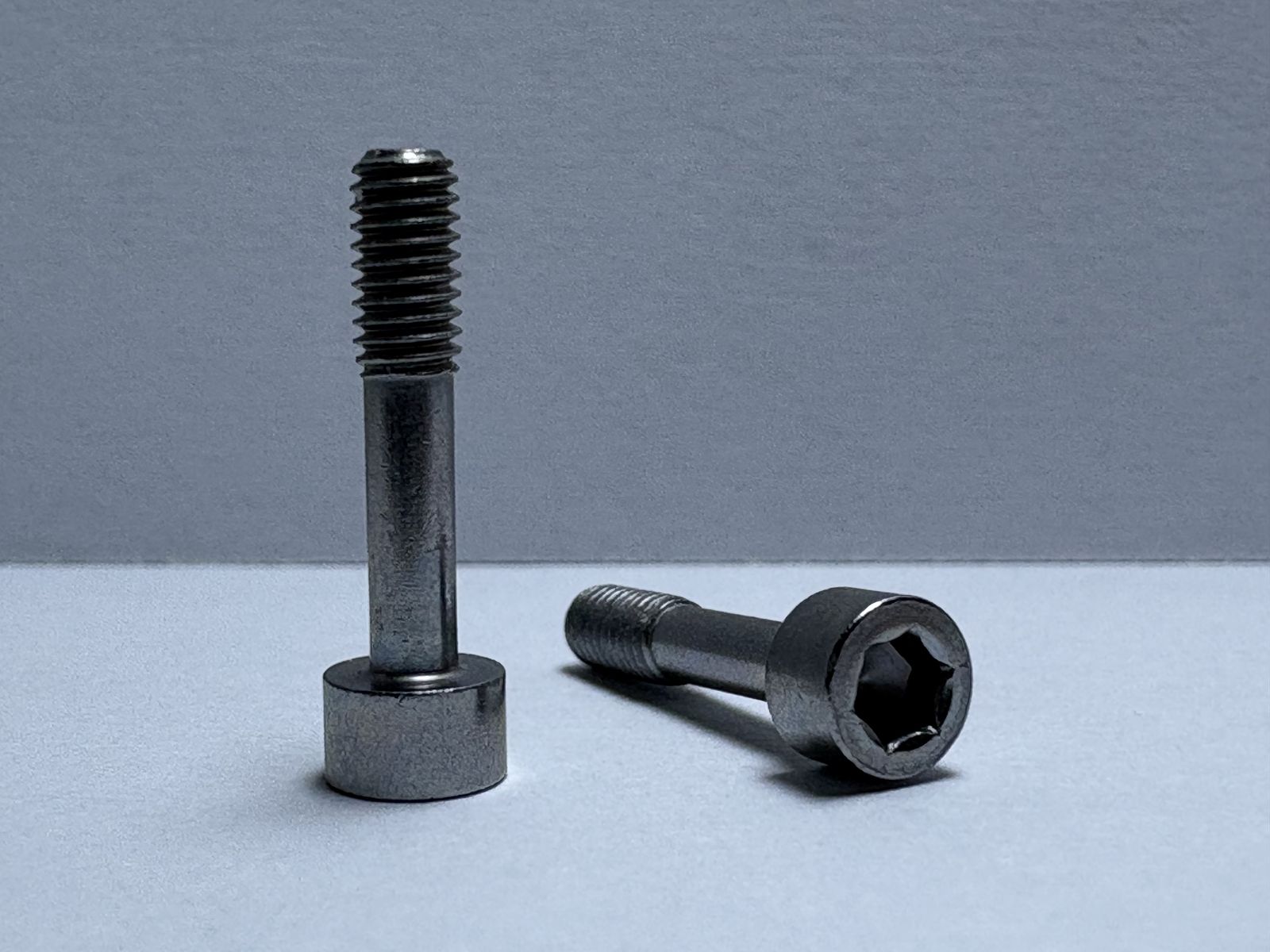
Capability
Heat Treatment
Hardening, tempering and case hardening set the balance between a wear-resistant surface and a core that will not fracture — with hydrogen relief where plating demands it.
Capability
Surface Treatment & PVD
Zinc, zinc-nickel, nickel, passivation and PVD finishing, selected for corrosion resistance, appearance, electrical behaviour and the effect on thread fit.
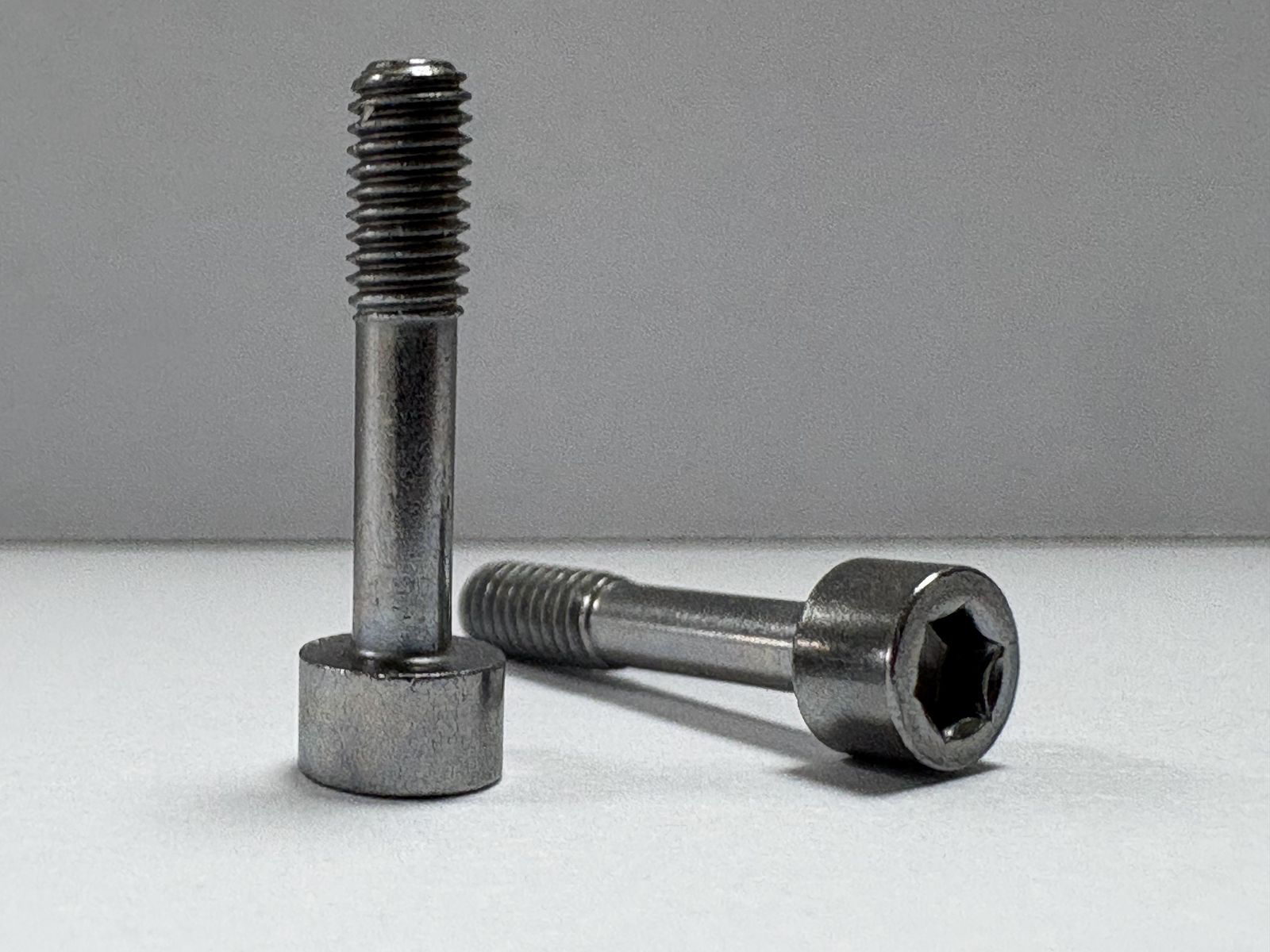
Capability
Inspection Laboratory
Metallography, hardness, dimensional measurement, tensile, friction, salt spray, coating thickness and RoHS testing, all in-house so a question can be answered without waiting for an outside lab.
Need surface treatment for your part?
Send the drawing and the annual volume. We will confirm feasibility, tolerance and lead time in the quotation.