Thread & Panel · Sheet metal panels
Clinching Nuts & Studs
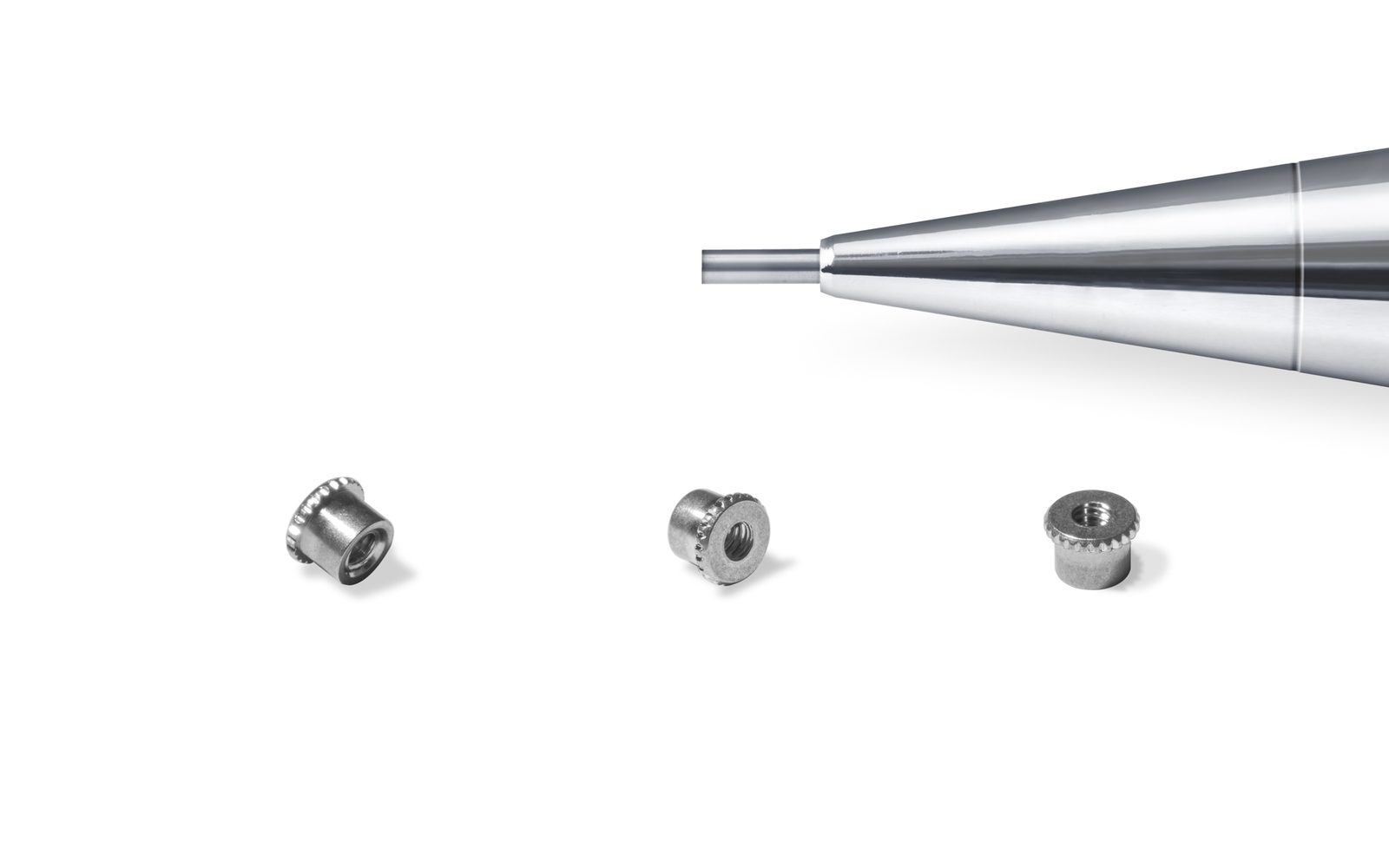
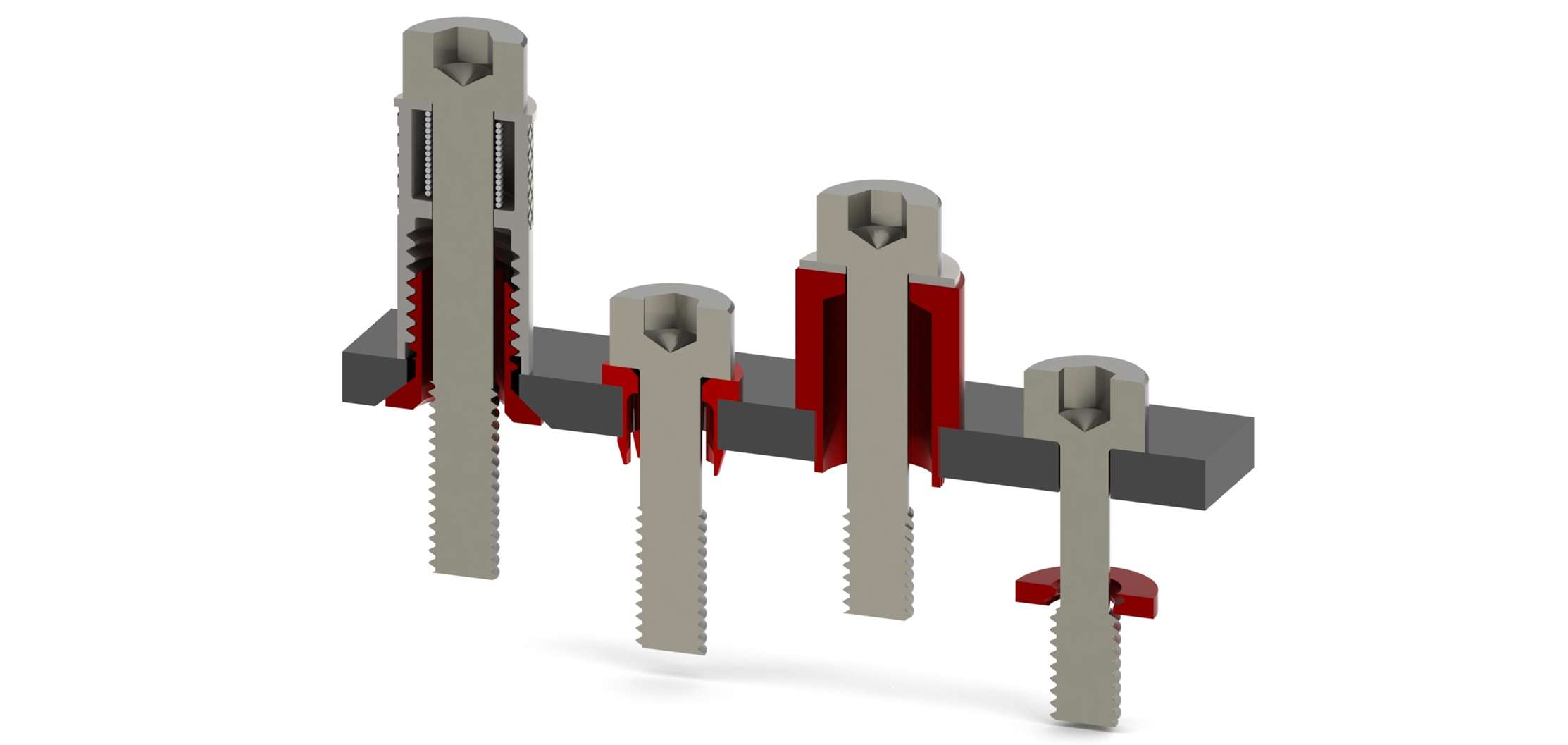
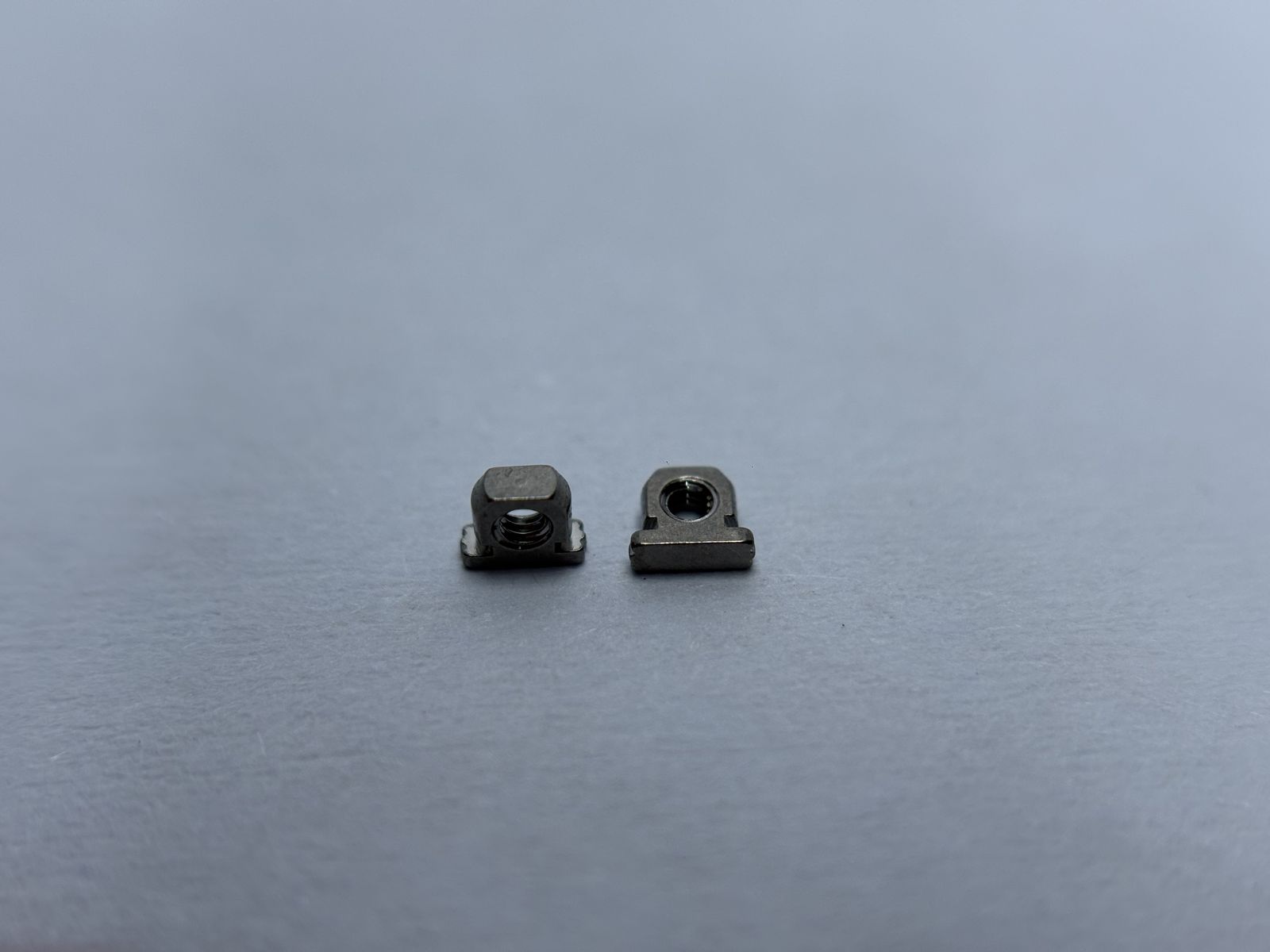
Clinching nuts, studs and grounding terminals are pressed into sheet metal with a press, giving a permanent load-bearing thread in a panel that is often thinner than the thread itself.
Thread & Panel
Threaded and permanent joints installed from one side of the panel
One-side access · Thread & Panel Overview
Some panels cannot be reached from behind. A sealed server cabinet, a duct section or a closed box section offers access to one face only, and that rules out a clinching nut, a weld nut or a conventional nut and bolt. A blind fastener is the answer: it is inserted from the front, deformed on the blind side and clamped against the rear face of the sheet.
Two families cover most requirements. A rivet nut leaves a threaded hole, so the joint can be assembled and disassembled with a screw; a blind rivet is permanent, so it is used where the joint will never be opened. Both are available sealed for waterproof enclosures, and pre-coated variants add locking so that the mating screw does not vibrate loose.
Product types
Rivet nut (threaded), blind rivet (permanent)
Access requirement
Front face only — no rear access needed
Sealing
Sealed and non-sealed variants; sealed types achieve IP68
Locking
Pre-coated rivet nuts for thread locking
Grip range
Covers a range of panel thicknesses per fastener size
Installation
Riveting tool, one operation per fastener
Design intent
Six engineering decisions that separate a micro fastener that works from one that merely fits the drawing.
No access to the rear face is required, which is what makes a closed cabinet or box section assemblable at all.
Rivet nuts create a serviceable thread; blind rivets create a permanent joint. The choice follows from whether the panel will ever be opened.
Sealed rivet nuts and rivets close the hole against water and dust, so a waterproof cabinet keeps its rating after assembly.
Pre-coated rivet nuts add thread locking so the mating screw resists vibration without a separate adhesive operation.
Blind fasteners accommodate a range of panel thicknesses, which simplifies stock when a design uses several sheet gauges.
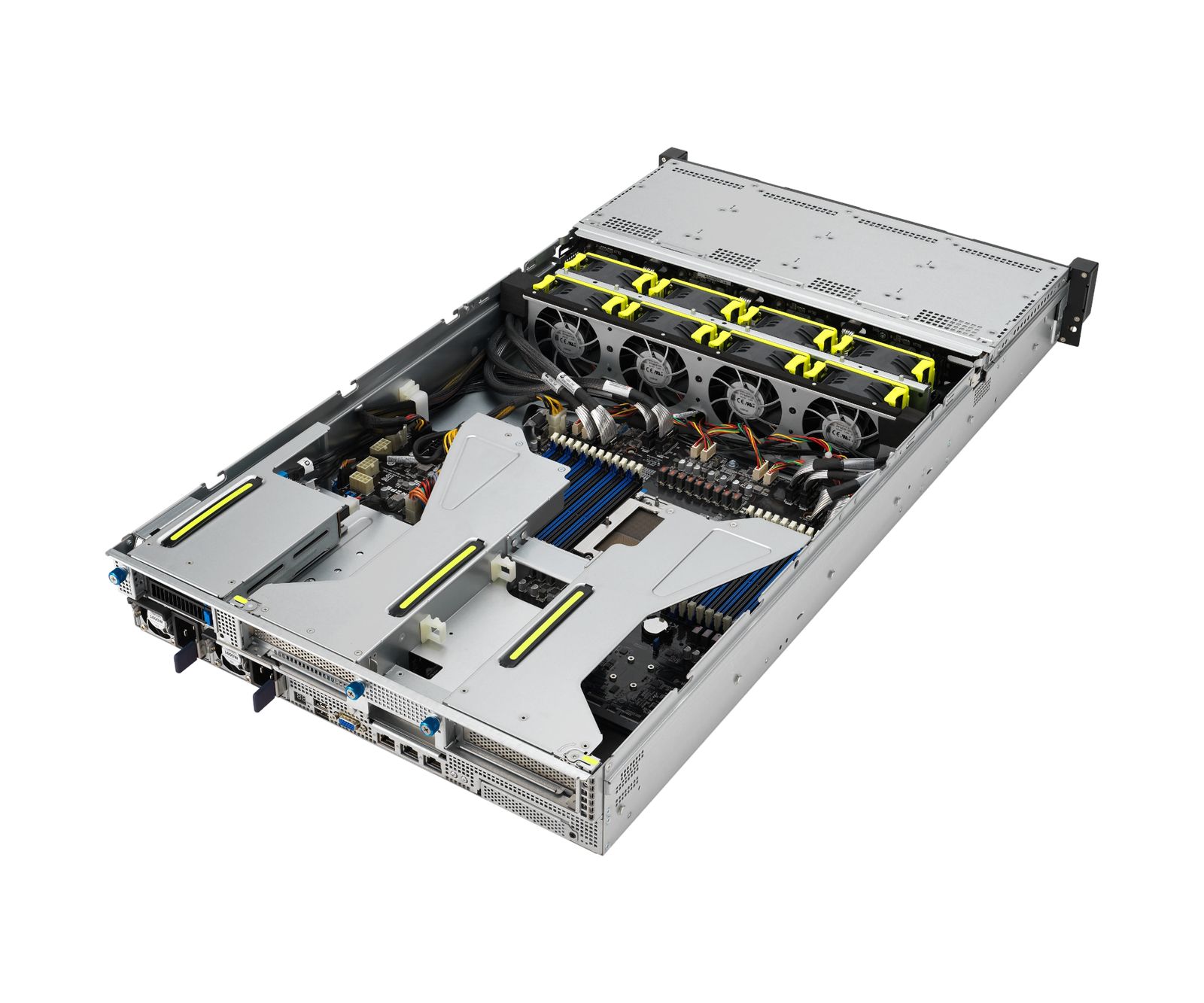
The standard fastening method for HPC-AI server sheet metal cabinets and industrial control enclosures.
Technical data
Reference data for design and sourcing. For a specific part, the drawing governs — these tables are the starting point for a joint review.
| Type | Result | Serviceable | Sealing | Typical use |
|---|---|---|---|---|
| Rivet nut, open end | Threaded hole | Yes | No | Server cabinet cover fixing |
| Rivet nut, closed end | Threaded hole, sealed | Yes | Yes | Waterproof enclosure |
| Rivet nut, pre-coated | Threaded hole with locking | Yes | Optional | Vibration-exposed panel |
| Blind rivet, standard | Permanent joint | No | No | Duct, bracket, fixed panel |
| Blind rivet, sealed | Permanent sealed joint | No | Yes | Outdoor and washdown cabinet |
Values are typical for the stated material and finish. Actual performance depends on the mating material, engagement length and assembly torque. Confirm with a sample test before design freeze.
Options
Mix these within one part number family. Where a combination is not manufacturable at your tolerance, we will say so at quotation rather than after the first lot.
Where it is used
Representative positions rather than an exhaustive list. Many of our parts are designed for one specific assembly and never appear in a catalogue.
| Assembly | Typical use |
|---|---|
| HPC-AI server cabinet | Rivet nuts providing serviceable threads in a closed steel cabinet |
| Waterproof enclosure | Sealed rivet nuts keeping IP68 after the cover is fitted |
| Industrial control cabinet | Blind rivets assembling a box section from one side |
| Duct and chassis section | Blind rivets joining panels with no rear access |
| Equipment bracket | Rivet nut giving a removable mounting point on thin sheet |
| Field repair | Blind fastener restoring a mounting point without access to the rear |
Quality control
Inspection is not a final gate. It is a set of checks placed where a process can actually drift, with the result recorded against the lot code.
01
Thread gauge on rivet nuts, GO / NO-GO
02
Installed grip and clamp check on sample panels
03
Pull-out and torque resistance on sample assemblies
04
Sealing verification where an IP rating applies
05
Head flushness and panel deformation
06
Mandrel break check on blind rivets
07
Visual inspection for cracked or distorted sheet
Questions
The questions our engineers answer most often on this product family.
Related products
These families are frequently used in the same assembly, or as an alternative when the joint requirement changes.
Thread & Panel · Sheet metal panels
Clinching nuts, studs and grounding terminals are pressed into sheet metal with a press, giving a permanent load-bearing thread in a panel that is often thinner than the thread itself.
Thread & Panel · Light alloy & plastic
Thread inserts give a lightweight structure a thread that survives repeated assembly — wire thread inserts, self-tapping inserts and key-locking inserts for plastic, aluminium and magnesium.
Thread & Panel · Access panels & covers
Captive screws remain attached to the panel after loosening, so a cover can be removed without the fastener falling into the equipment or getting lost.
Send a drawing or 3D model with the mating material and finish requirement. The reply is a process route, a tolerance review and a price — with the assumptions stated.