Capability
Cold Forging
Multi-station heading from M0.5 upward
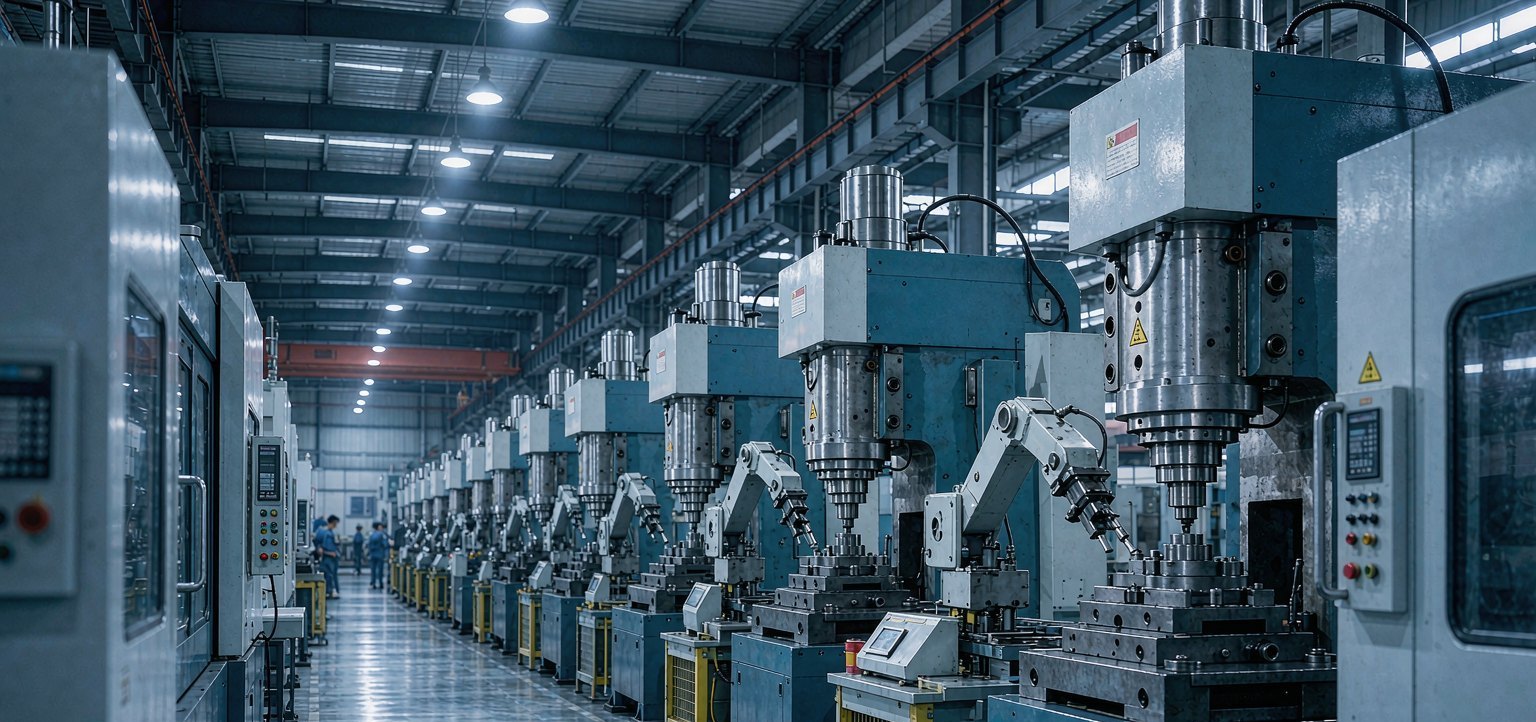 Cold Forging · Bekasi plant
Process overview
Multi-station heading from M0.5 upward
Cold forging is where a screw becomes a screw. A coil of wire is straightened, cut to a slug, and formed in two to four dies that progressively upset the head, extrude the shank and shape the point. Nothing is removed, so the material flows into the head rather than being machined away — the grain follows the part contour, which is why a forged screw is stronger than a turned one at the same diameter.
For micro screws the process window is narrow. A blank that is 0.05 mm off in slug weight will not fill the head die; a punch that is 0.01 mm off-centre will produce a head that is visibly eccentric at M0.8. We build our own dies in-house so that geometry can be adjusted quickly during development, and we track punch life against a fixed dressing interval rather than waiting for a defect to appear.
Step by step
How the process runs
Each step has a defined control point. The sequence is not arbitrary — changing it changes the result.
Wire selection and inspection
Incoming wire is checked for diameter, ovality, surface defects and hardness, then assigned to a heat-number record.
Straightening and cutting
Wire is straightened through rollers and cut to a slug whose weight is controlled within ±0.5% to fill the head die consistently.
First station — head upset
The slug is upset into a preform that begins to form the head and establishes concentricity to the shank.
Second station — head forming
The head profile, drive recess and bearing face are formed in the finishing die with a punch matched to the drive geometry.
Third station — shank and point
The shank is extruded to diameter and the point or thread-forming tip is shaped.
Thread rolling
Threads are rolled between flat or cylindrical dies, reforming grain along the flank rather than cutting it.
Deflashing and cleaning
Parts are tumbled or vibratory finished to remove flash and burrs, then degreased before heat treatment or coating.
Specification
Process window and capability
The numbers below define what the process can hold repeatably. They are not laboratory bests.
Wire diameter
0.8 – 6.0 mm
Heading stations
2 – 4
Head diameter tolerance
±0.03 mm
Head height tolerance
±0.02 mm
Slug weight control
±0.5%
Thread class
6g standard, 6f on request
Concentricity
≤ 0.03 mm head to shank
Die life
500,000 – 2,000,000 strokes depending on size
Punch dressing interval
Fixed interval, recorded per die
Output
Up to 400 pcs/min on micro sizes
Equipment
What the line is built on
Capacity figures are per machine and assume a standard part. Complex geometry reduces throughput.
| Equipment | Specification |
|---|---|
| Two-station headers | M0.5 – M2.0, up to 400 pcs/min |
| Three-station headers | M1.2 – M4.0, up to 300 pcs/min |
| Four-station headers | M2.5 – M6.0, up to 200 pcs/min |
| Flat-die thread rollers | M0.5 – M4.0, Class 6g / 6f |
| Cylindrical thread rollers | M3.0 – M6.0, high precision |
| In-house die shop | Wire EDM, jig grinding, optical profile grinding |
Process control
What is checked, and when
A control that is not recorded is not a control. Each item below generates a record linked to the lot code, retained for the programme duration.
01
Incoming wire certificate and dimensional check
02
First-off inspection at every die change
03
Hourly patrol inspection of head diameter, height and concentricity
04
Punch and die life tracking with fixed dressing intervals
05
Thread gauge check, GO / NO-GO, per lot
06
Bulk hardness check after heat treatment
07
Lot coding from wire heat to finished carton
08
Die maintenance record retained per tool
Questions
Cold Forging FAQ
Practical questions from sourcing and engineering teams.
Why cold forging instead of machining?
Can you forge a non-standard head?
How long does a new die take?
What is the minimum order for a new die?
Related capabilities
What happens before and after
These processes are usually sequenced with the one above.
Capability
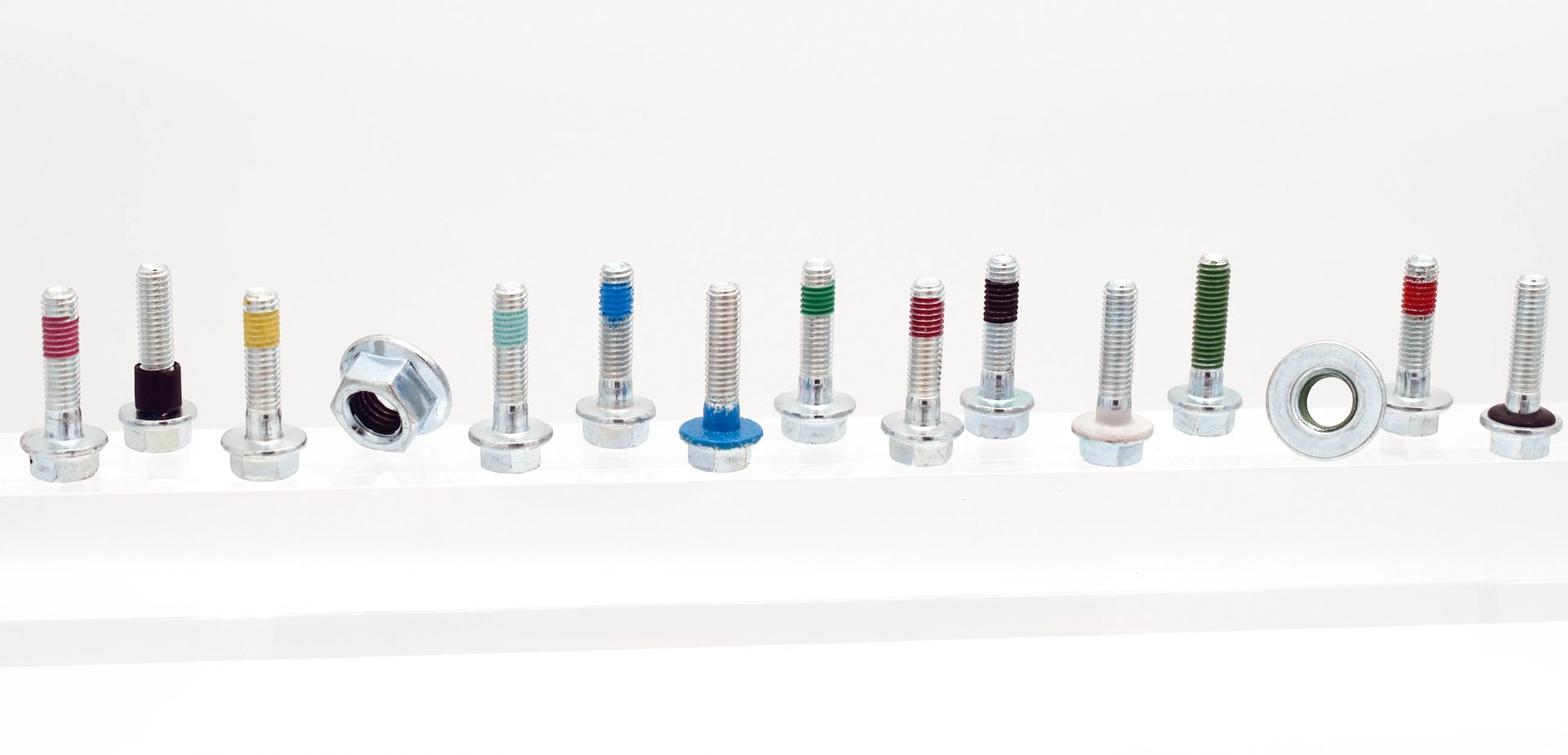
Heat Treatment
Controlled atmosphere heat treatment for case depth, core hardness and hydrogen embrittlement relief — with batch records for every lot.
Capability
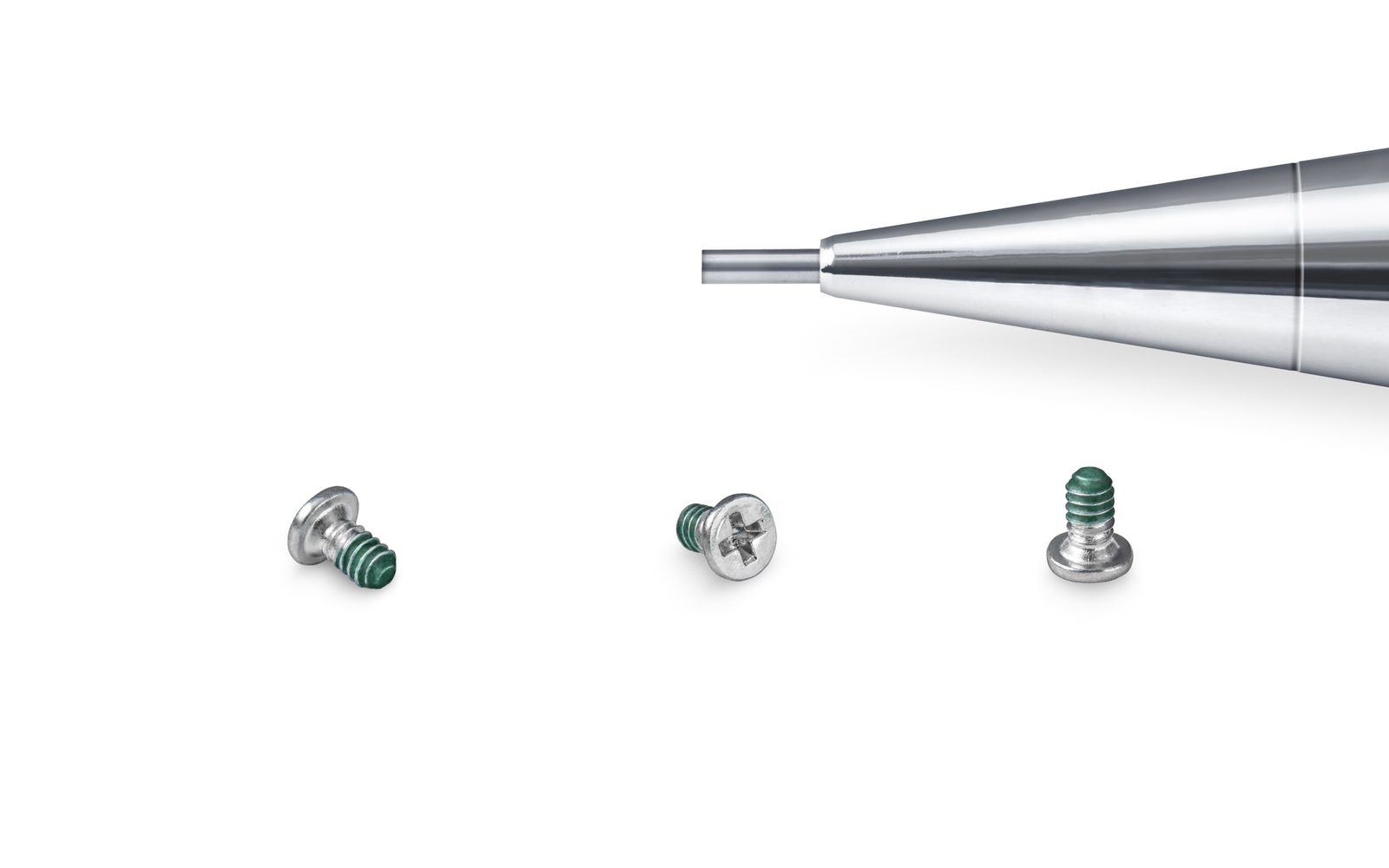
Surface Finishing
Barrel plating, passivation and PVD coating lines for corrosion resistance, conductivity and cosmetic appearance — with coating thickness verified at the thread root.
Capability
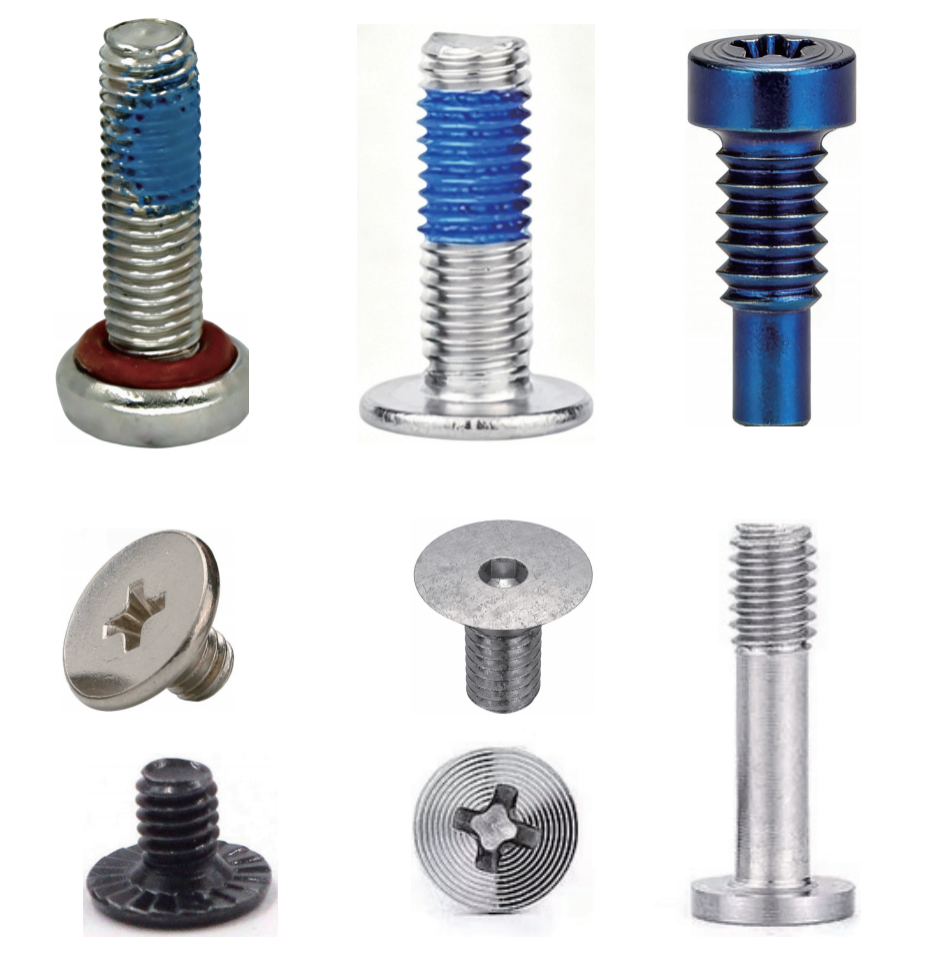
Precoating & Patch
Automated application of locking and sealing elements at a controlled thread position, with break-loose torque verified per batch.
Capability
Quality Laboratory
An in-house laboratory covering dimensional metrology, hardness, torque, salt spray and material verification — so results are not outsourced and delayed.
Need cold forging for your part?
Send the drawing and the annual volume. We will confirm feasibility, tolerance and lead time in the quotation.