Industries
Fastening for assemblies measured in micrometres
Two focus industries — electronics and robotics — plus the adjacent platforms where the same micro-fastener discipline applies.
Adjacent platforms
Other industries we support
Different validation requirements, same manufacturing discipline. If your assembly uses M0.8–M5 fasteners, the process is probably already in place.
M0.5 – M1.6
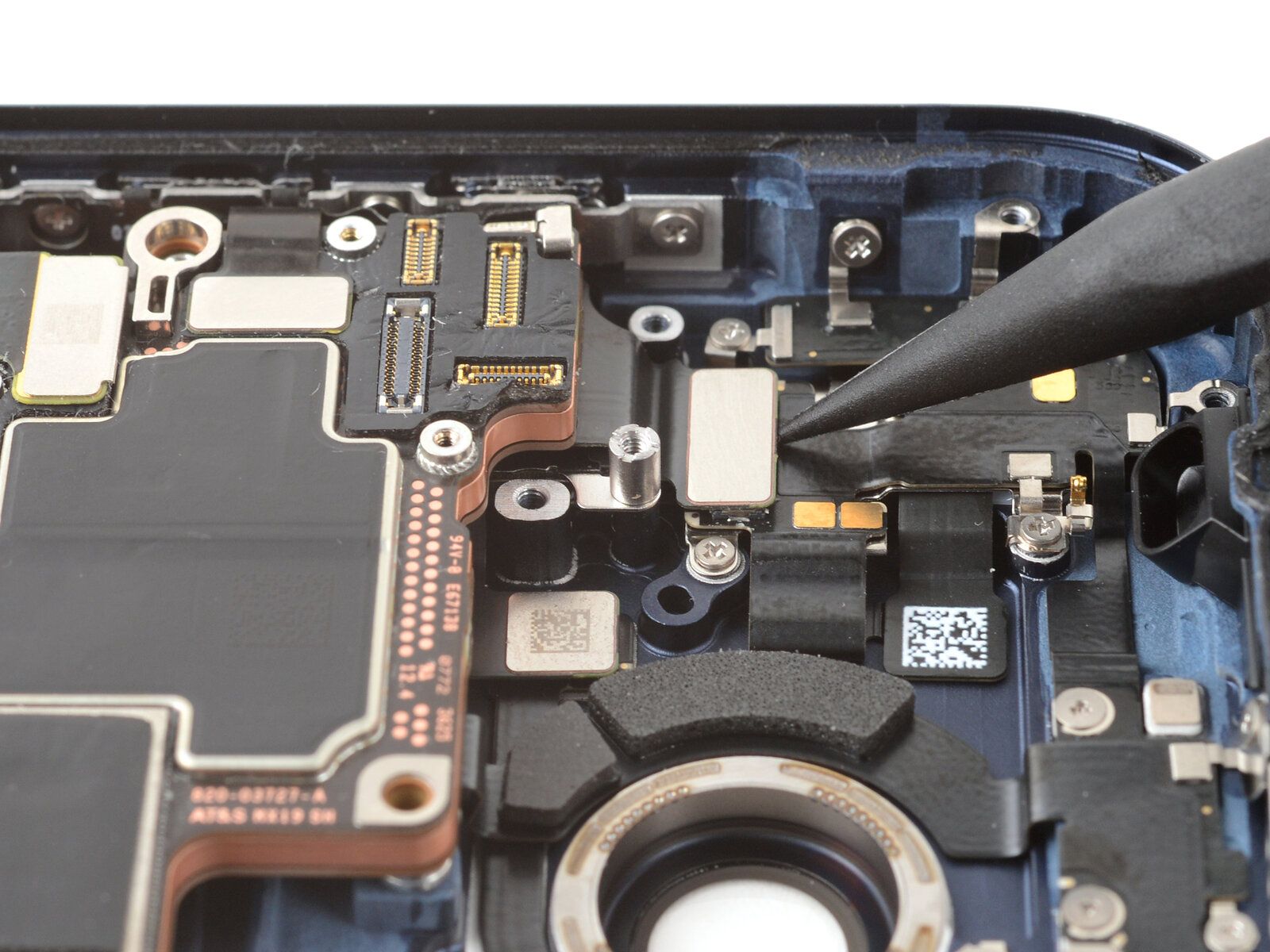
Smartphones & Wearables
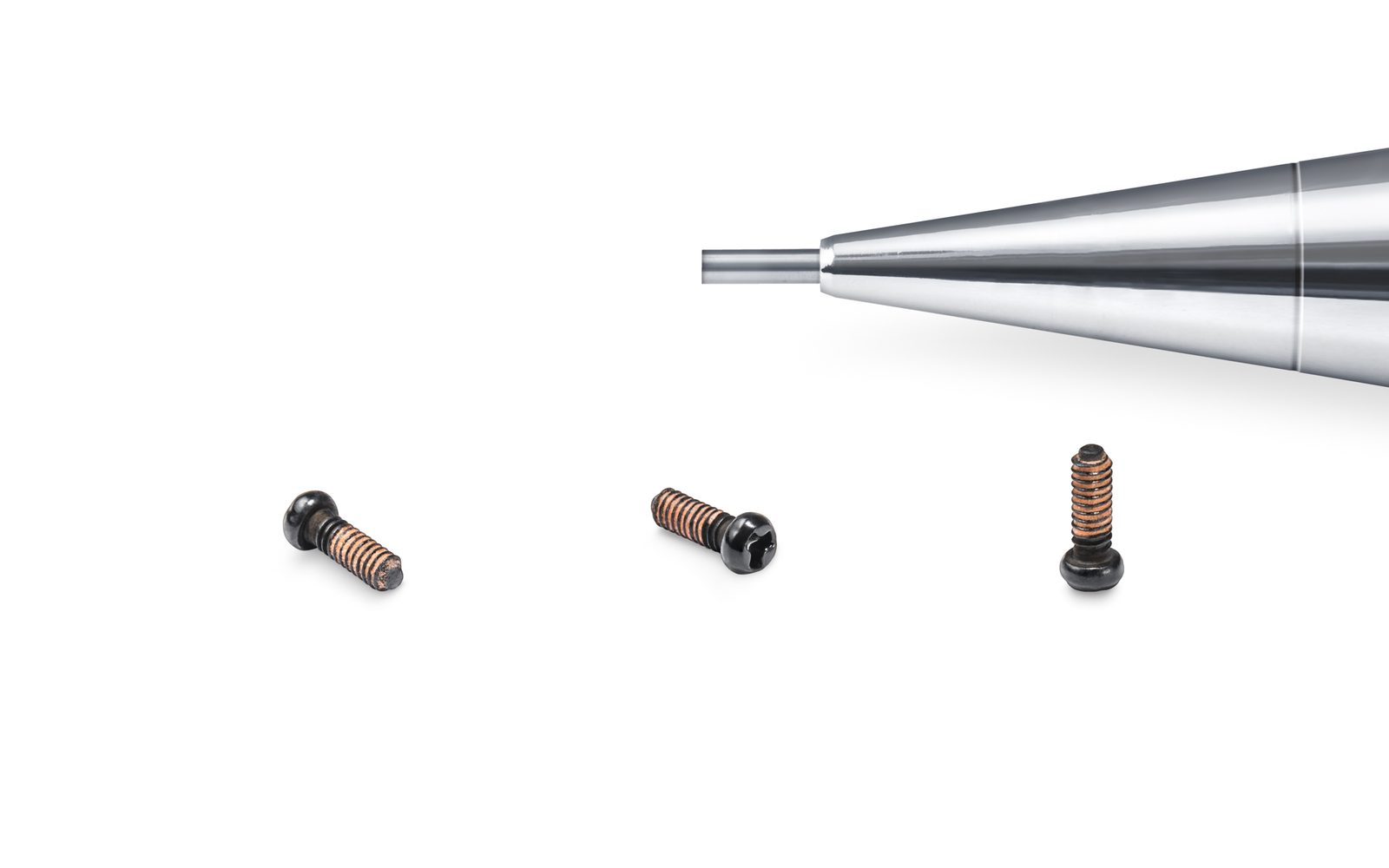
The smallest fasteners we make: M0.5–M1.6 screws, micro standoffs and inserts for phone modules, earbuds, smartwatches and AR glasses.
M2 – M4
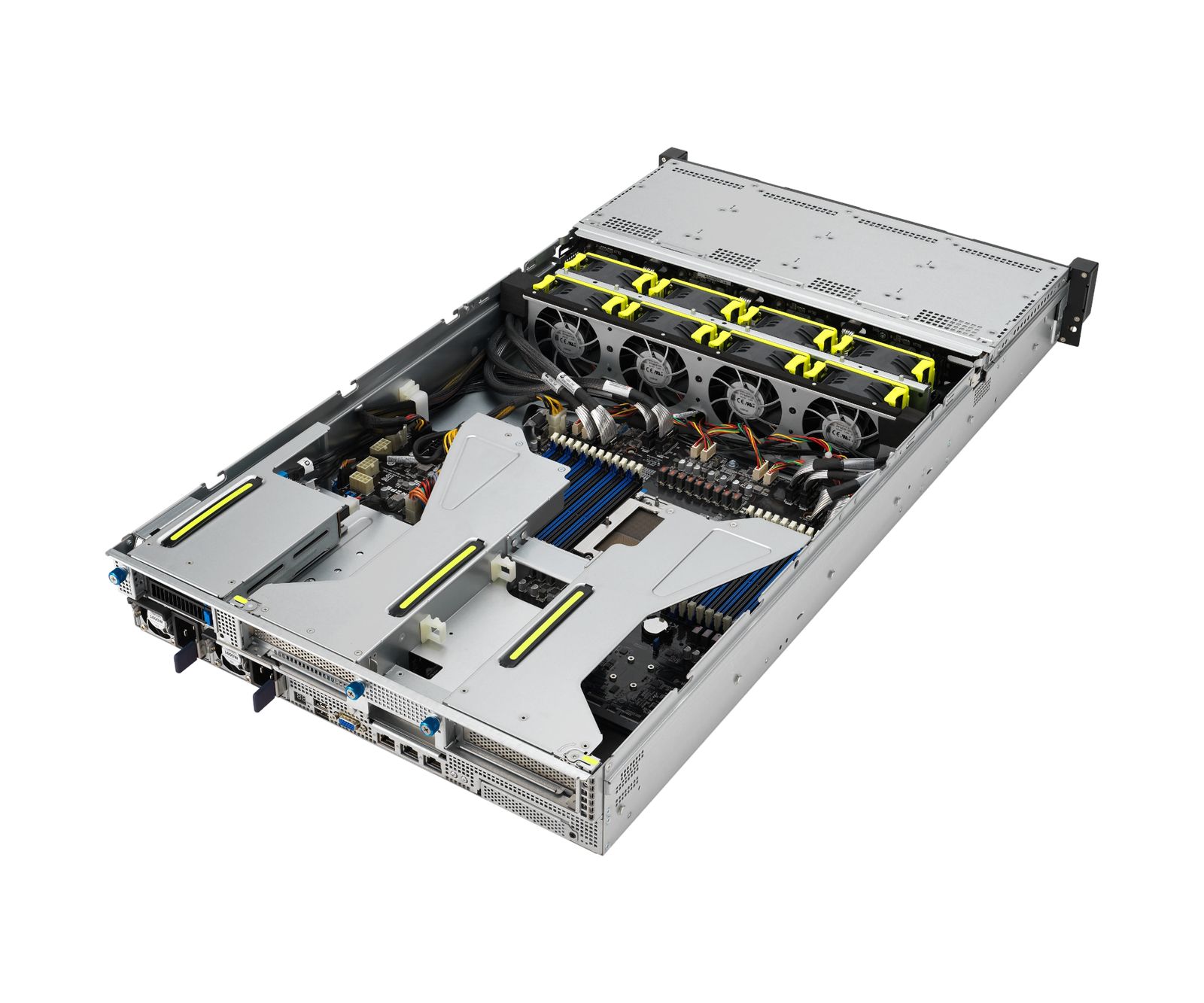
PCB, Server & Data Center
Standoffs, board screws, captive panel fasteners and high-strength screws for server chassis, GPU cards and data centre equipment.
M2 – M5
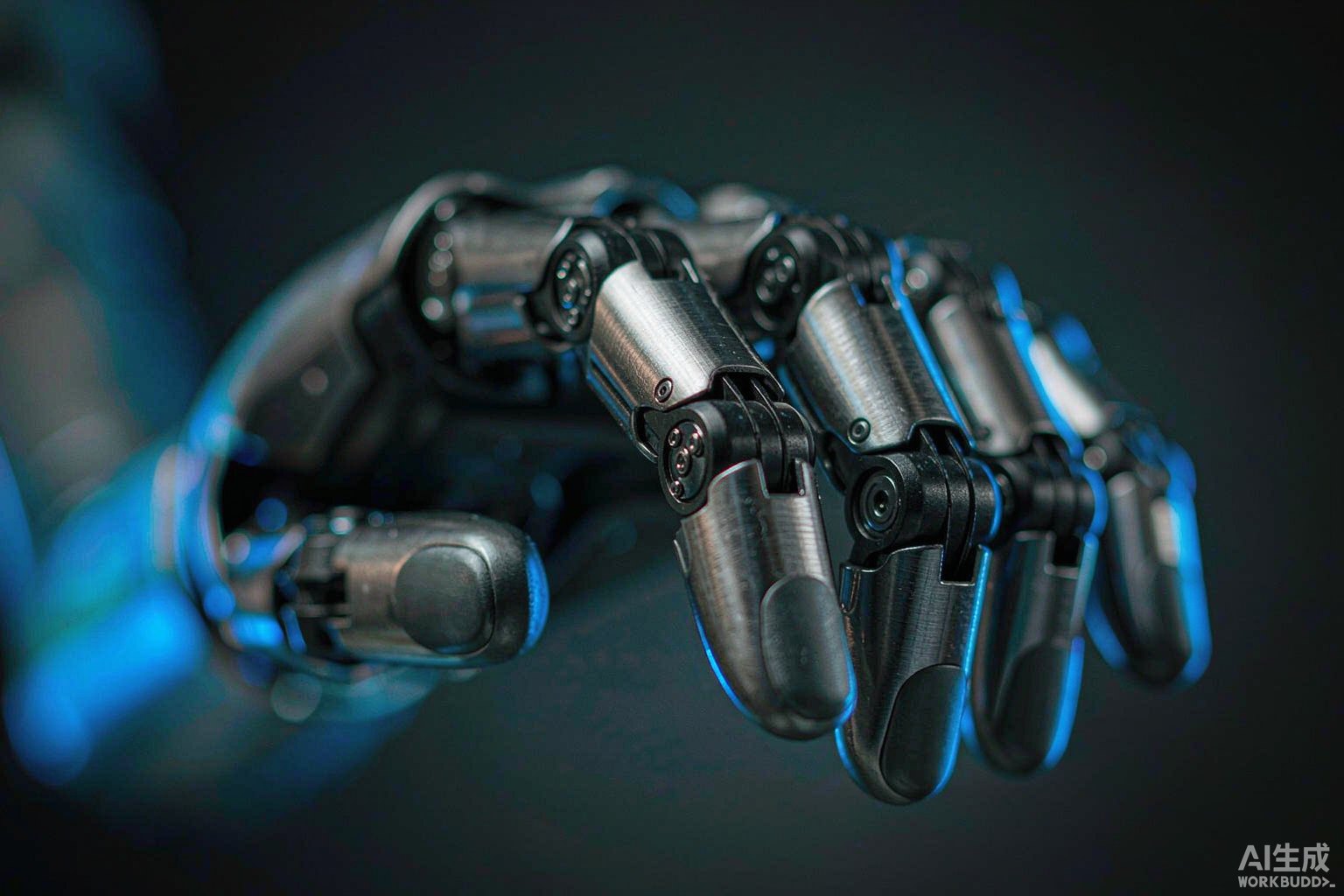
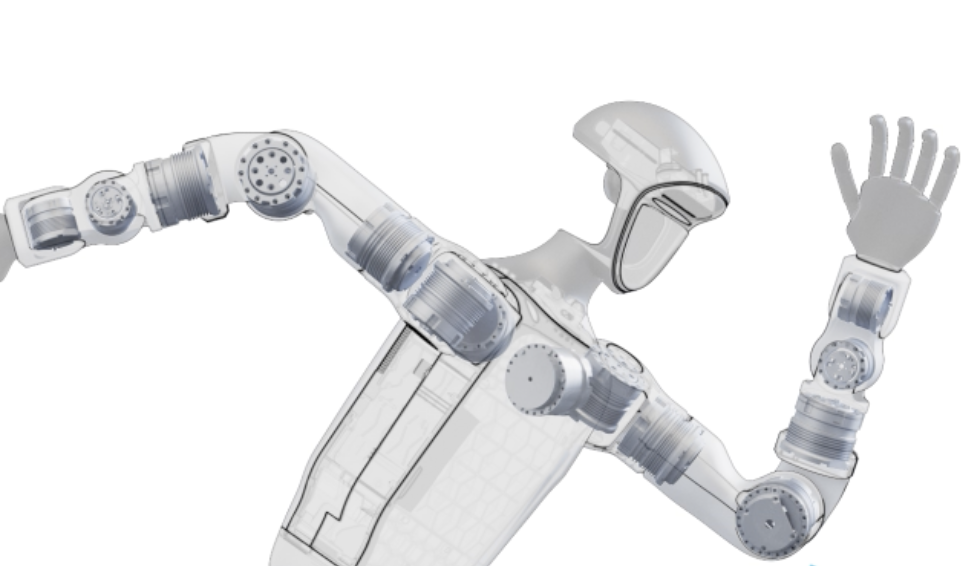
Joint Actuators & Drives
M2–M5 fasteners and precision pins for robot joint modules — clamping reducers, retaining motor rotors and locating encoder rings.
IATF 16949
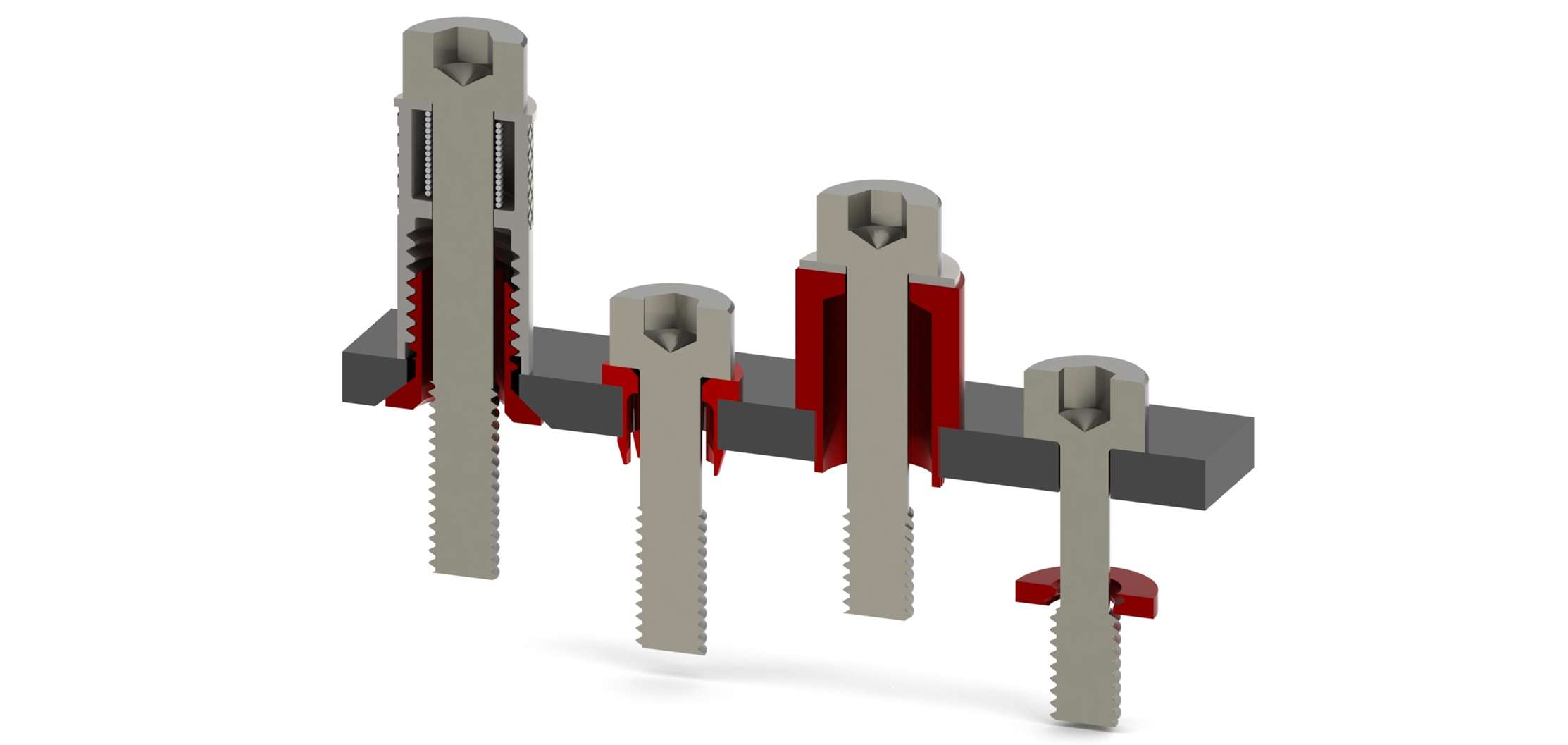
Automotive Electronics
Automotive-grade micro fasteners with PPAP, traceability and vibration validation for control units, sensor housings and battery management systems.
SUS316L
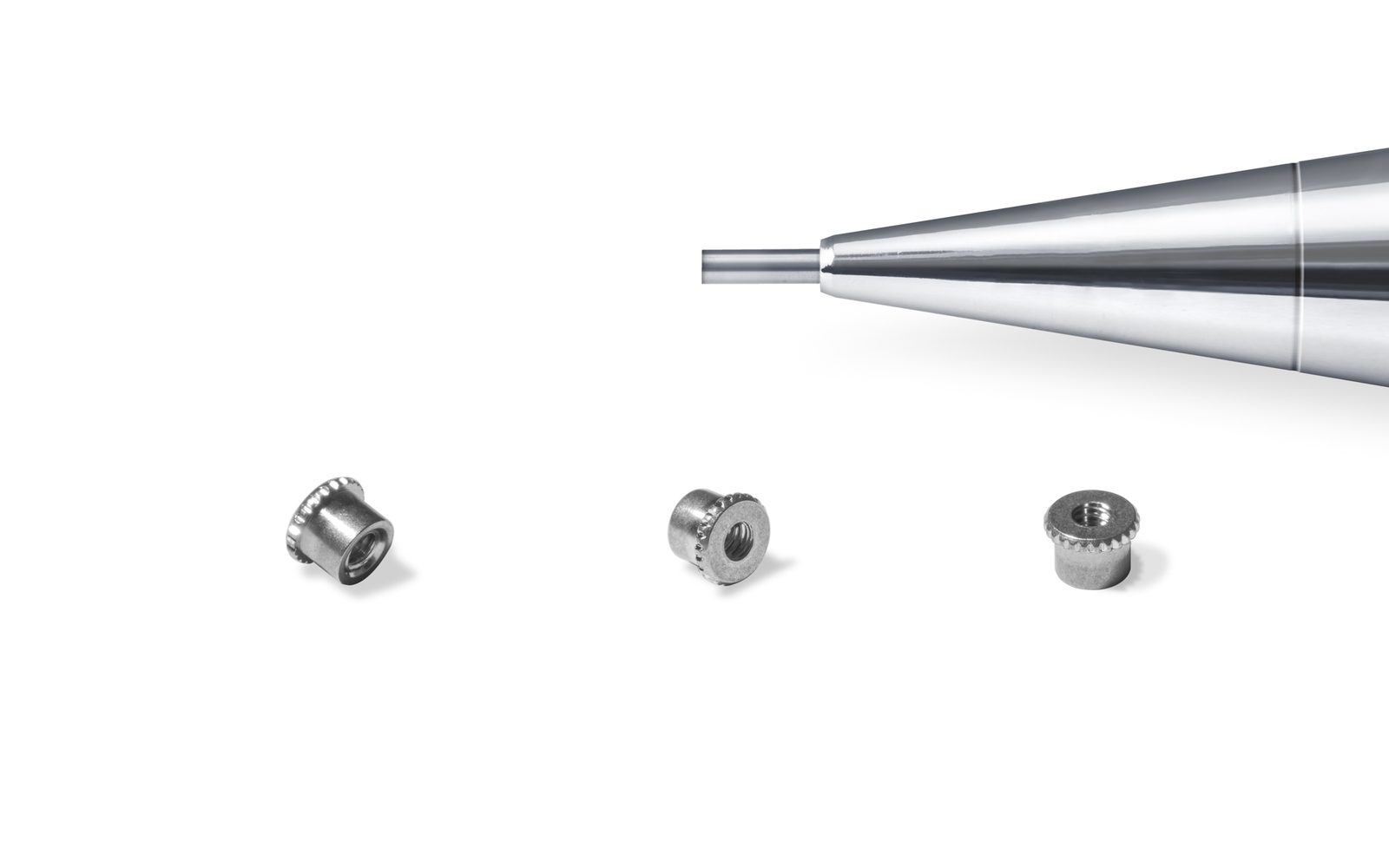
Medical & Analytical Devices
Stainless and titanium micro fasteners for surgical instruments, diagnostic equipment and analytical instruments — cleanable, non-magnetic and documented.
Application map
Which fastener for which position
A practical cross-reference from assembly position to product family. Use it to narrow the search before opening a drawing.
| Assembly position | Typical size | Fastener family | Key requirement |
|---|---|---|---|
| Phone chassis to display bracket | M1.0 – M1.4 | Machine thread, pan head | Low head height, colour match |
| Camera module stack | M0.8 – M1.2 | Wafer head machine thread | Head height ±0.02 mm |
| Notebook hinge | M1.6 – M2.0 | Shoulder screw, precoated | Pivot fit h9, controlled torque |
| PCB to chassis | M2.0 – M3.0 | Standoff + machine screw | Length ±0.05 mm, grounding |
| Heatsink clamp | M3.0 – M4.0 | Class 12.9 socket head | Preload retention, low friction scatter |
| Robot finger pivot | M1.4 – M2.0 | Ground shoulder pin h7 | Straightness 0.01 mm/10 mm |
| Robot finger clamp | M1.2 – M1.6 | Encapsulated precoated screw | 10⁶ cycle anti-loosening |
| Joint actuator housing | M2.5 – M4.0 | Class 12.9 low profile | Thermal relaxation resistance |
| Plastic housing boss | M1.0 – M3.0 | Thread-forming screw | Boss-safe point geometry |
| Serviceable cover | M2.5 – M4.0 | Captive panel screw | Retained, cannot be dropped |
Sizes are indicative. The correct size depends on the boss diameter, wall thickness and required clamp load, which we review against the assembly drawing.
Cross-industry comparison
How requirements shift by industry
The same fastener family can serve four industries, but the acceptance criteria are not the same. This table shows where the emphasis moves.
| Requirement | Electronics | Robotics | Automotive | Medical |
|---|---|---|---|---|
| Diameter band | M0.5 – M3.0 | M1.0 – M4.0 | M2.0 – M5.0 | M0.8 – M5.0 |
| Cosmetic finish | Critical | Moderate | Low | Moderate |
| Anti-loosening | Moderate | Critical | Critical | Moderate |
| Non-magnetic | Occasional | Frequent | Rare | Frequent |
| Corrosion life | Moderate | Moderate | High | High |
| Documentation | PPAP / FAI | Material cert | PPAP full | 3.1 cert |
| Cleanliness | High | Moderate | Moderate | Very high |
Industry programme support
Documentation is part of the product
Every industry has its own paperwork: PPAP for automotive, 3.1 certificates for medical, material declarations for electronics, permeability data for robotics. We treat that as part of the deliverable rather than an administrative afterthought.
PPAP levels 1–4
Dimensional results, PFMEA, control plan, MSA
Material certificates
EN 10204 3.1 with melt number traceability
Substance compliance
RoHS, REACH, conflict minerals declaration
Performance reports
Torque, hardness, salt spray, vibration
Start here
Tell us the industry and the joint
We will send the relevant specification basis, a sample request form and the documentation list for that industry — before you commit to a quotation.
Two focus industries. Seven programmes. One plant.
Electronics and robotics are where we are strongest, but the process discipline transfers wherever miniature fasteners decide whether the product works.