Manufacturing in Bekasi, West Java — Indonesia ISO 9001 · IATF 16949 · ISO 14001 · ISO 45001

Industry

Embodied Intelligence

Fastening for humanoid robots, joint actuators and dexterous hands

Joint pivotsM1–M4 high strengthLightweight framesAnti-loosening
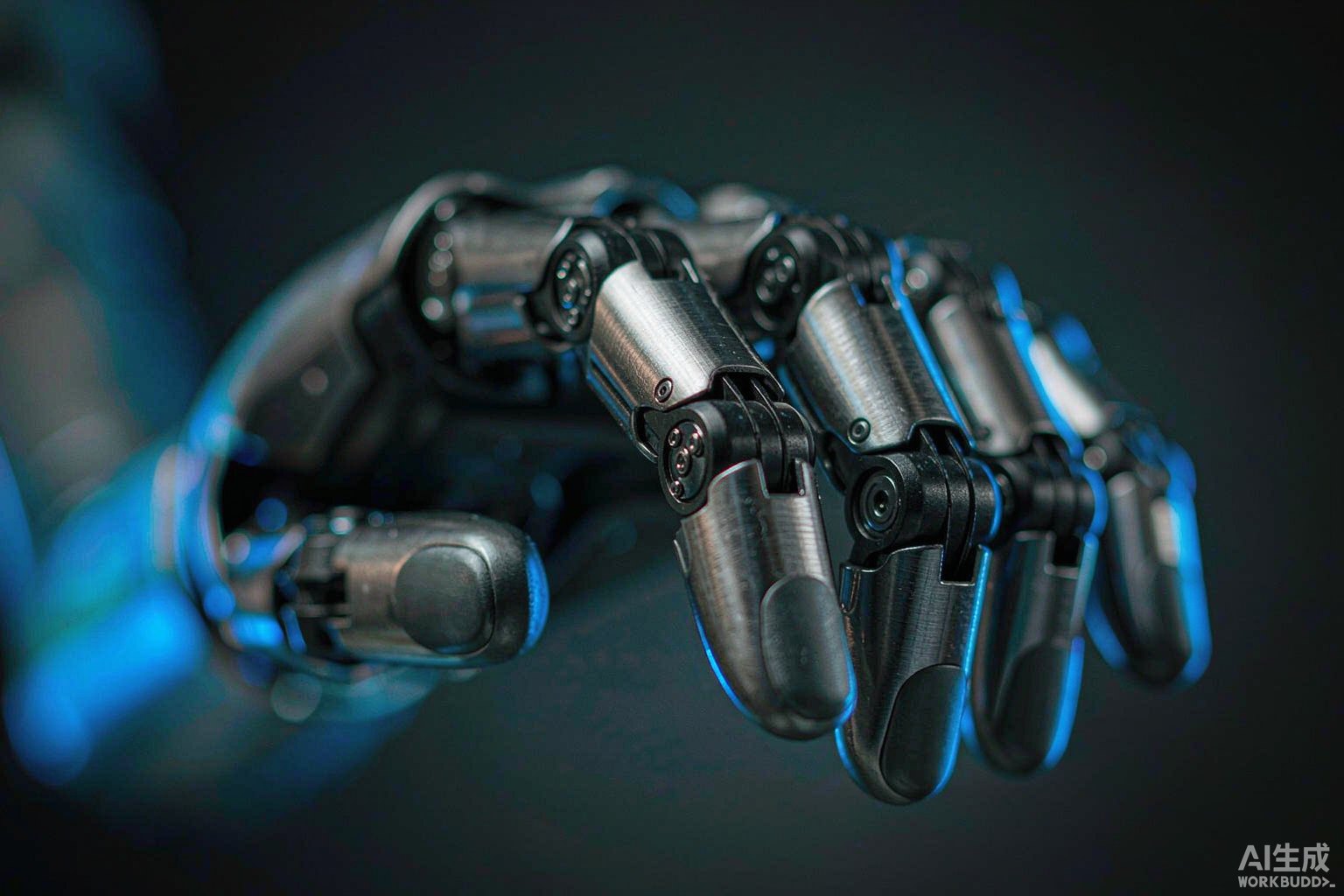
Robotic dexterous hand with articulated fingers Embodied Intelligence

Why it matters

Fastening for humanoid robots, joint actuators and dexterous hands

A humanoid robot is a collection of joints that must move precisely, repeatedly and for a long time. Every one of those joints is a fastening problem: a pivot that has to locate two parts and carry rotation, a frame that has to be light but hold a thread, a transmission that has to keep preload while the load reverses thousands of times a minute.

The fastener content of a dexterous hand is concentrated in a very small space. Finger phalanges pivot on shoulder screws, linkage plates are clamped by M1.4–M2.0 machine screws, the frame is magnesium or aluminium reinforced with thread inserts, and every joint carries an anti-loosening element because the load never stops reversing. This is the segment where our engineering work is most concentrated, and it is one of the two industries this plant is built around.

3-in-1

Connection, location and rotation in one pin

>8.8

Insert strength grade

M0.8

Smallest precoated screw

150 °C

Aluminium bolt service temperature

Field problems

What actually goes wrong in this industry

These are the failure modes we see most often, and the engineering response that addresses each one. Problems are stated as they appear on the line, not as they appear in a textbook.

Failure mode and engineering response
Problem observed Engineering response
A finger joint develops play after a few hundred thousand cycles. Play usually starts at the pivot. A ground shoulder screw carries the rotation on its shank instead of on the thread, and a straight shank does not wear the bore oval — which is the mechanism behind most lost repeatability.
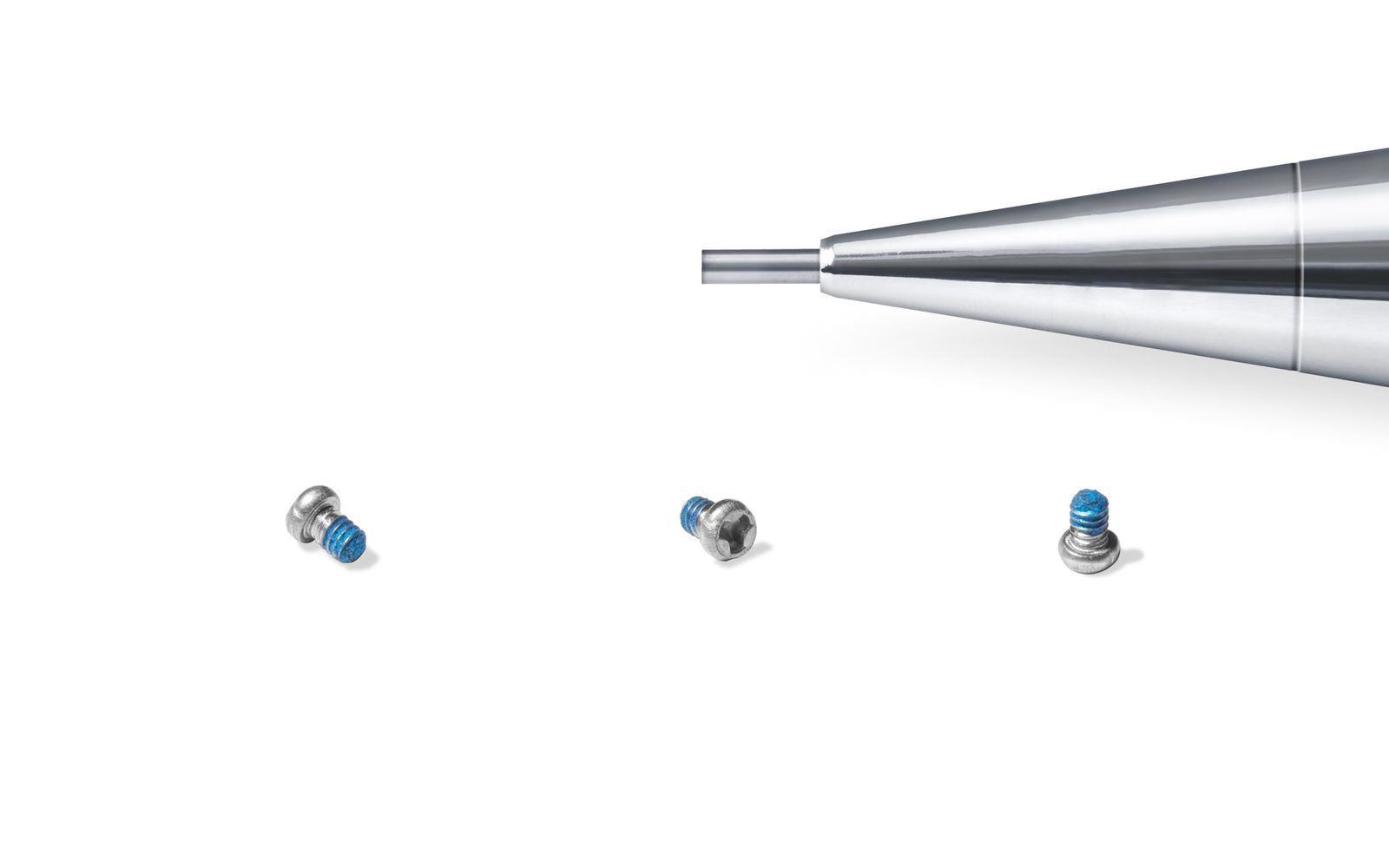
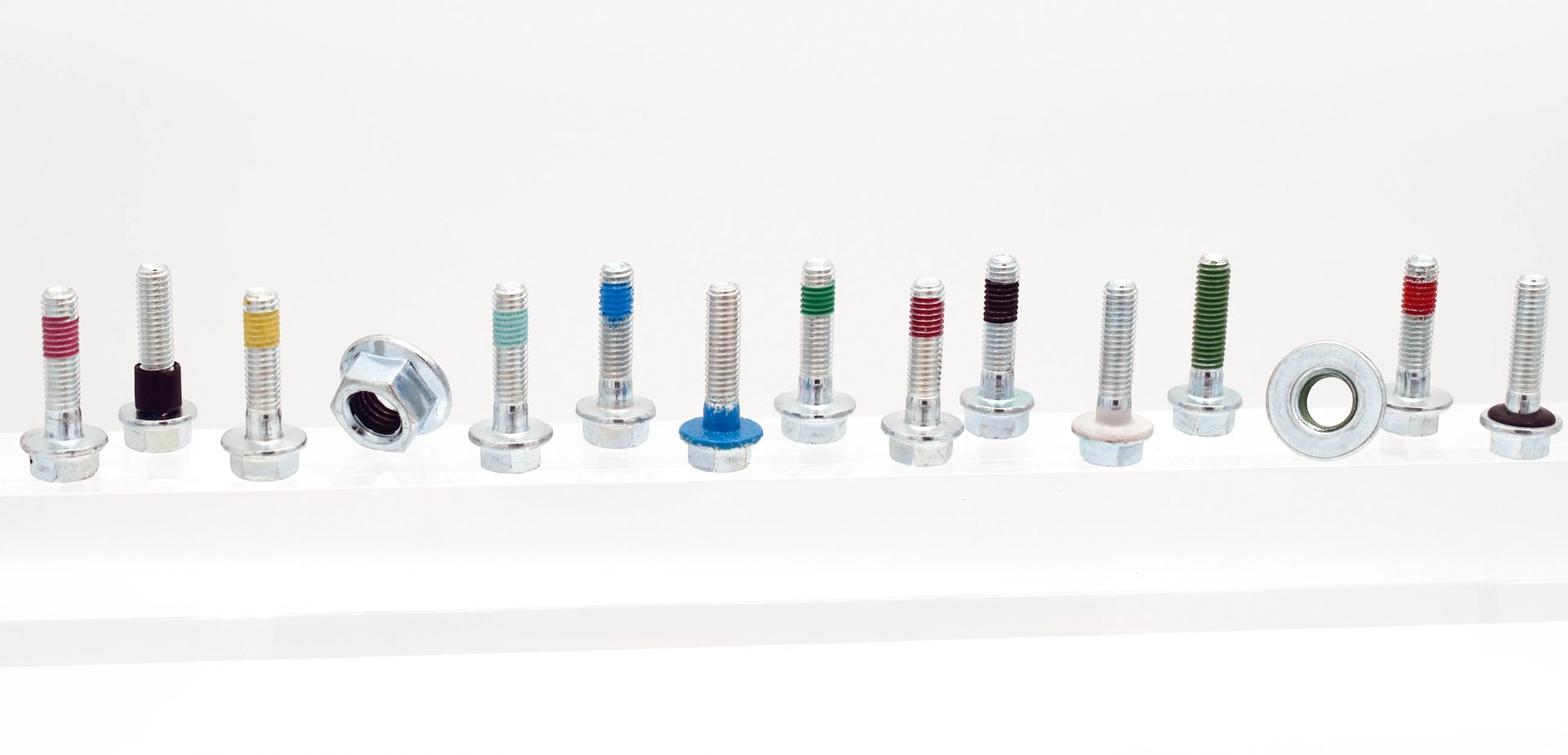
Clamp screws lose preload because the joint load reverses continuously. A pre-applied locking element — micro-encapsulated adhesive for a permanent joint, nylon patch where adjustment is needed — holds the preload without relying on a dispensed adhesive.
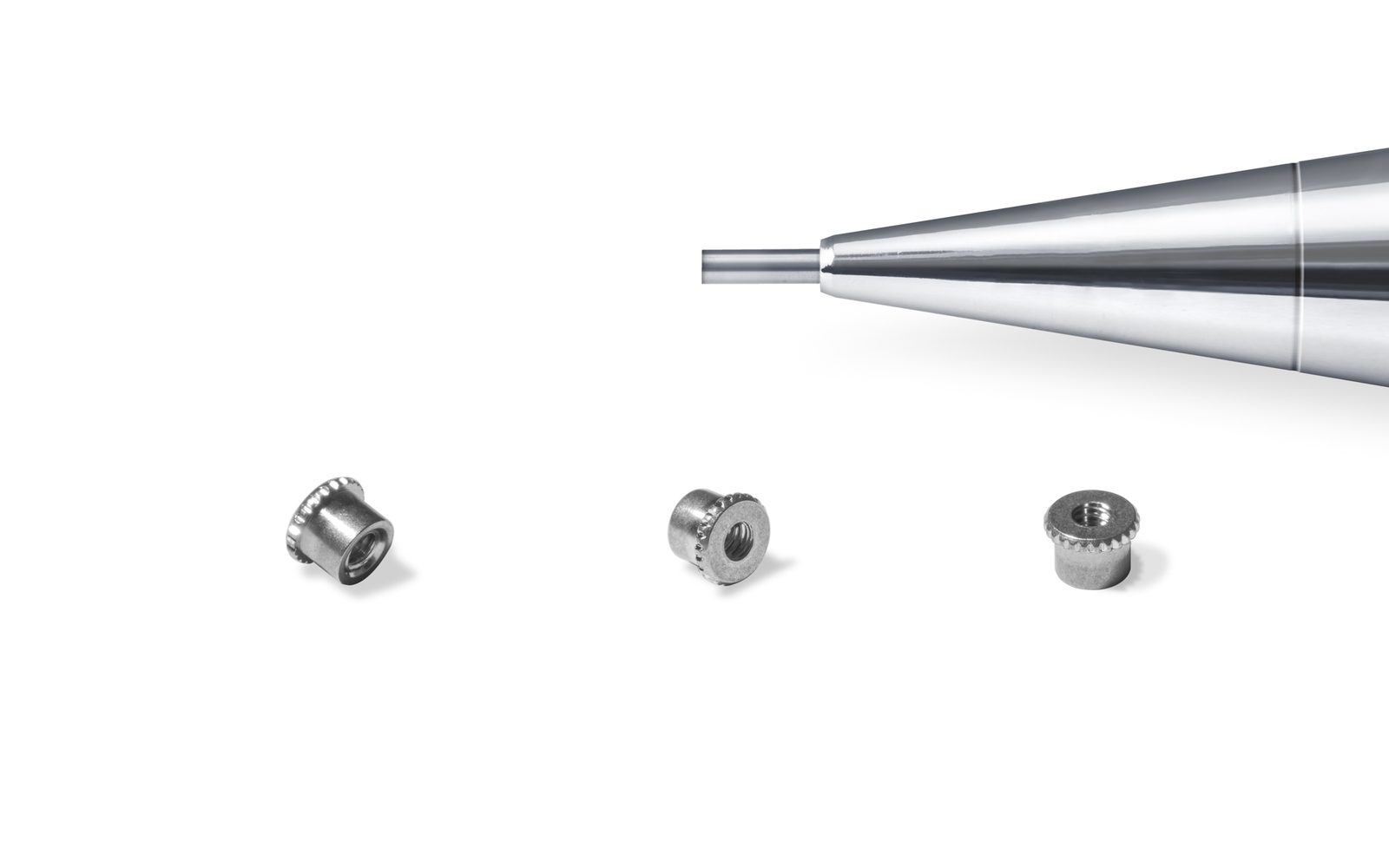
The magnesium or aluminium frame will not hold a thread through repeated assembly. Thread inserts put a steel or brass thread into the light alloy. Carbon and stainless inserts reach grades above 8.8, so the insert is not the weak point of the joint.
A rigid clevis binds as the actuator moves off-axis through its stroke. A rod end bearing at the push rod allows controlled multi-directional oscillation, so the actuator carries axial load instead of bending moment.
Aluminium and magnesium housings creep and lose preload when the joint runs hot. A high-strength aluminium bolt expands at the same rate as the housing, so preload is retained. At 150 °C a steel bolt loses more than 96% of preload; the aluminium bolt loses 40–55%.
A joint that is stiff when new becomes loose, then stiff again as it wears. That is usually two problems in one joint — a pivot wearing oval and a clamp screw relaxing. They are solved by different parts: a ground shoulder for the pivot, a locked screw for the clamp.

Specification basis

Typical requirements for this industry

A starting specification, not a fixed menu. Most programmes adjust one or two of these after the first joint review.

Joint pivot

Ground shoulder screws, stepped pins and locating pins

Frame thread

Thread inserts in magnesium, aluminium and plastic structures

High-strength screws

Grade 12.9 alloy steel and 14.9 anti-loosening; 10.9 / 12.9 titanium; 6.8 aluminium

Actuator joints

Rod end bearings for ball screw push rods and linkages

Anti-loosening

Precoated locking screws and lock washers for joints and transmissions

Finger-scale screws

M1.0 – M2.0 machine screws with locking elements

Frame positions

Torso frame, arm frame, leg load-bearing structures

Surface options

PVD, passivation, nickel, black oxide

Recommended products

Families we specify most in this industry

Chosen for the tolerance, finish and locking requirements typical of the assemblies described above.

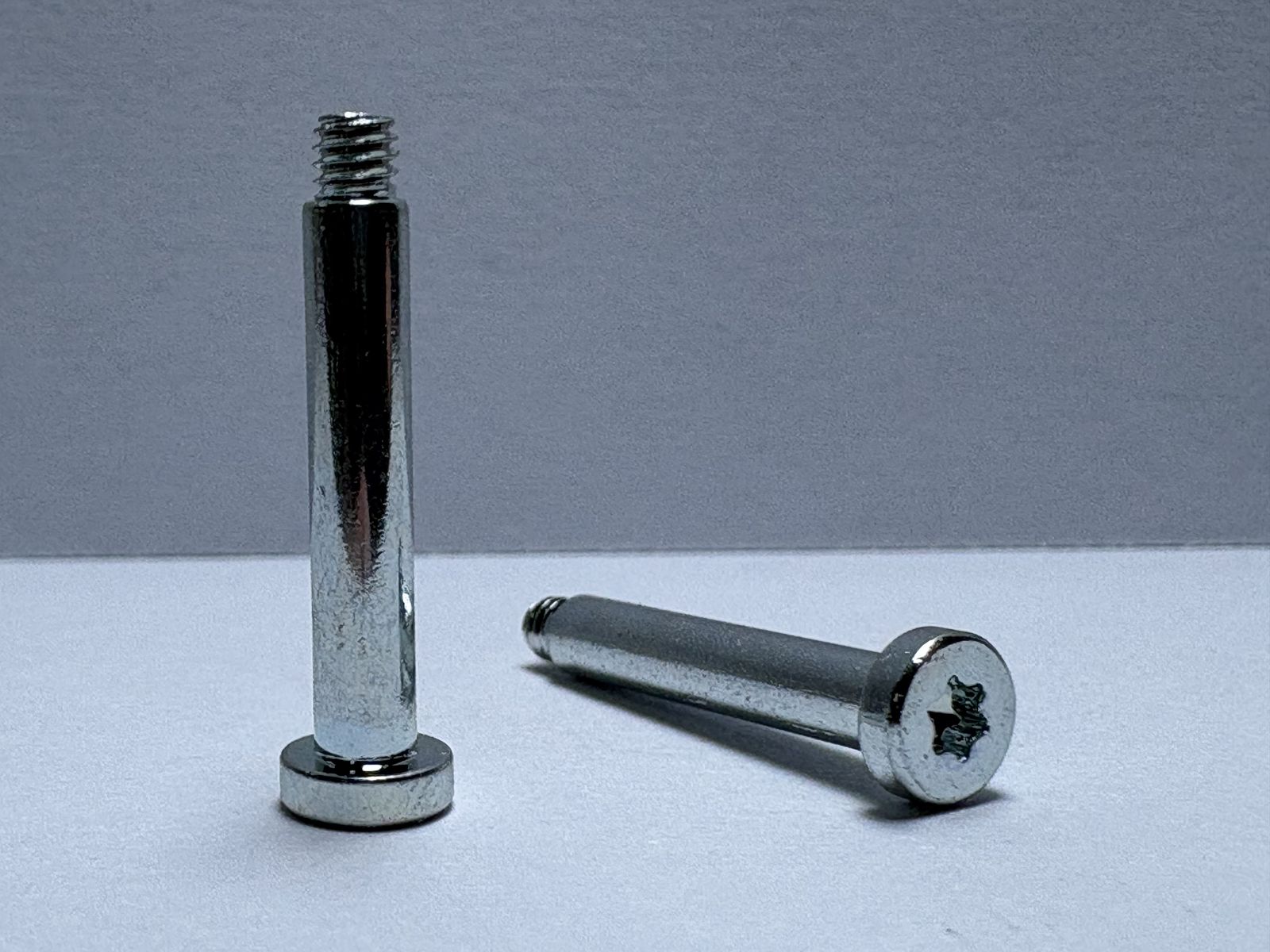
Shoulder screws with precision ground shanks

Pins & Spacers · Pivot & locating duties

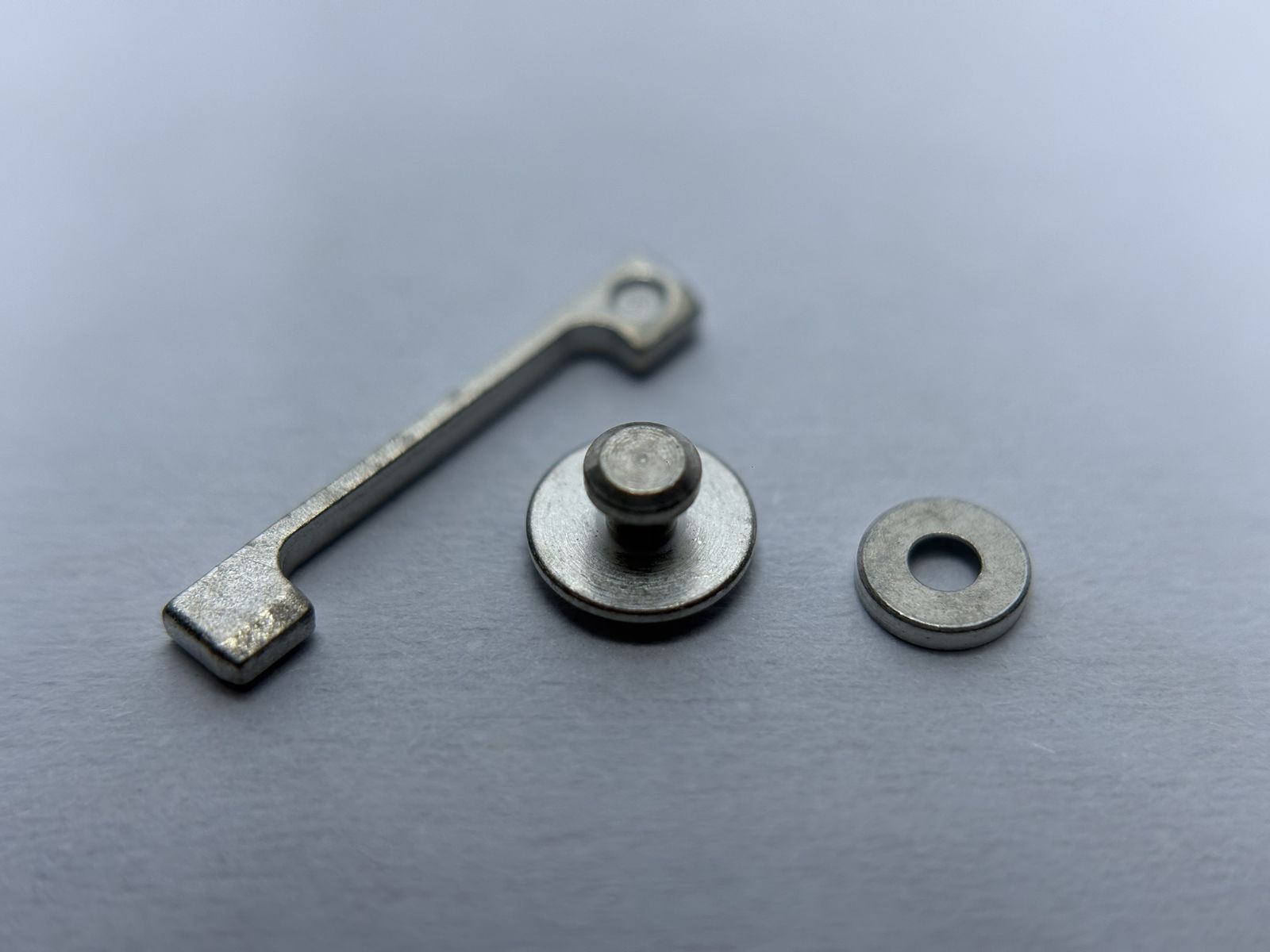
Shoulder Screws & Pins

Shoulder screws and precision pins for joints and motion structures — a ground shank that acts as a pivot or locating shaft while the thread clamps the assembly together.

Connection + locationRotation supportRobot joints

Rod end bearing used in a robot linkage

Pins & Spacers · Actuator & linkage joints

Rod End Bearings

Rod end bearings form the articulated joint at the end of a push rod or linkage, permitting controlled multi-directional oscillation without binding the actuator.

Multi-directionalLinear actuatorsBionic motion
Threaded inserts for plastic and light alloy assemblies

Thread & Panel · Light alloy & plastic

Thread Inserts

Thread inserts give a lightweight structure a thread that survives repeated assembly — wire thread inserts, self-tapping inserts and key-locking inserts for plastic, aluminium and magnesium.

Wire · self-tapping · key-lockingBrass / steel / titaniumRepeated assembly
Micro screws with a blue pre-applied threadlocking element

Micro Screws · From M0.8 × 1.0 mm

Precoated Screws

Screws supplied with a locking, sealing or vibration-damping element already applied — micro-encapsulated adhesive, nylon patch, sealant or damping coating, from M0.8 upward.

Four product families90°–360° coverageExternal or internal thread
Precision stamped lock washers and small pressed parts

Thread & Panel · Joint anti-loosening

Lock Washers

Lock washers are among the core anti-loosening fasteners for robot joints and transmission systems, holding preload where vibration would otherwise relax the joint.

Carbon & stainlessAlloy steel optionHigh-frequency vibration
High-strength aluminium bolts in a coated finish

Thread & Panel · Lightweight joints

High-Strength Aluminium Bolts

Cold-formed 7-series aluminium bolts that replace steel in magnesium and aluminium assemblies — removing galvanic corrosion and cutting fastener weight at the same time.

629 MPa tensileUp to 65% lighterNo galvanic couple

Design notes

Four things to get right early

These decisions are cheap at concept stage and expensive after tooling is cut.

01

The shoulder is the bearing, so tolerance it like one

In a pivot the unthreaded shank is the working surface. Its diameter, roundness and straightness decide whether the joint runs freely — a shoulder that measures correctly but is bent will still bind and wear the bore oval.

02

Separate the pivot from the clamp

The cleanest joints use one element to locate and carry rotation, and a separate screw to clamp. Trying to make a single screw do both usually means the clamp load preloads the pivot and the joint becomes stiff.

03

Match the fastener to the frame material

Magnesium and aluminium need inserts for any thread that will be used more than a few times, and they need a fastener whose thermal expansion matches the housing if the joint runs warm.

04

Design the anti-loosening in, not on

A joint that reverses load cannot rely on friction alone. Precoated locking, lock washers or a captive design should be chosen at the drawing stage, because retrofitting an adhesive to an existing joint rarely controls the applied volume.

Joint review

Send us the assembly, not just the screw

A drawing gives us geometry. The mating material, the service cycles and the cleaning chemistry decide whether the joint works. Send all three and we will review the whole stack.

  • Tolerance stack and fit check
  • Torque and preload recommendation
  • Material and finish selection
  • Locking method and service strategy

Questions

Embodied Intelligence fastening FAQ

Answers to the questions that come up most in this industry.

Have a specific joint? Send the section drawing and the service condition. We will reply with a recommended fastener and the reasoning behind it.
Which screw should be the pivot in a finger joint?
A ground shoulder screw, because the shank becomes the bearing surface and the thread only clamps. The shank diameter is toleranced against the mating bore, and straightness is as important as diameter — a bent shoulder binds even when the diameter is correct.
How do you stop a robot joint loosening?
With a locking element designed into the joint, not added afterwards. That means a precoated screw, a lock washer or a captive design, chosen together with the preload target so that the joint stays tight through the load reversal it will actually see.
Why use thread inserts in a robot frame?
Because magnesium and aluminium are too soft to hold a thread through repeated assembly, and the frame is usually the most expensive part to replace. An insert takes the wear, reaches grades above 8.8, and can be replaced without scrapping the structure.
Can a steel bolt be used in a magnesium housing?
It can, but it creates a galvanic couple, and the magnesium is the part that corrodes. An aluminium bolt is metallurgically close to the housing so the driving force is low, and it expands at a similar rate, which also preserves preload at temperature.
Do you work with M1-scale fasteners for fingers?
Yes — M1.0–M2.0 machine screws are catalogue sizes, and precoated locking is available from M0.8 × 1.0 mm, which is the scale a dexterous finger linkage operates at.

Engineering support for embodied intelligence programmes

From a single prototype joint to a PPAP production launch, the same team reviews the drawing and the assembly context.