Thread & Panel · Joint anti-loosening
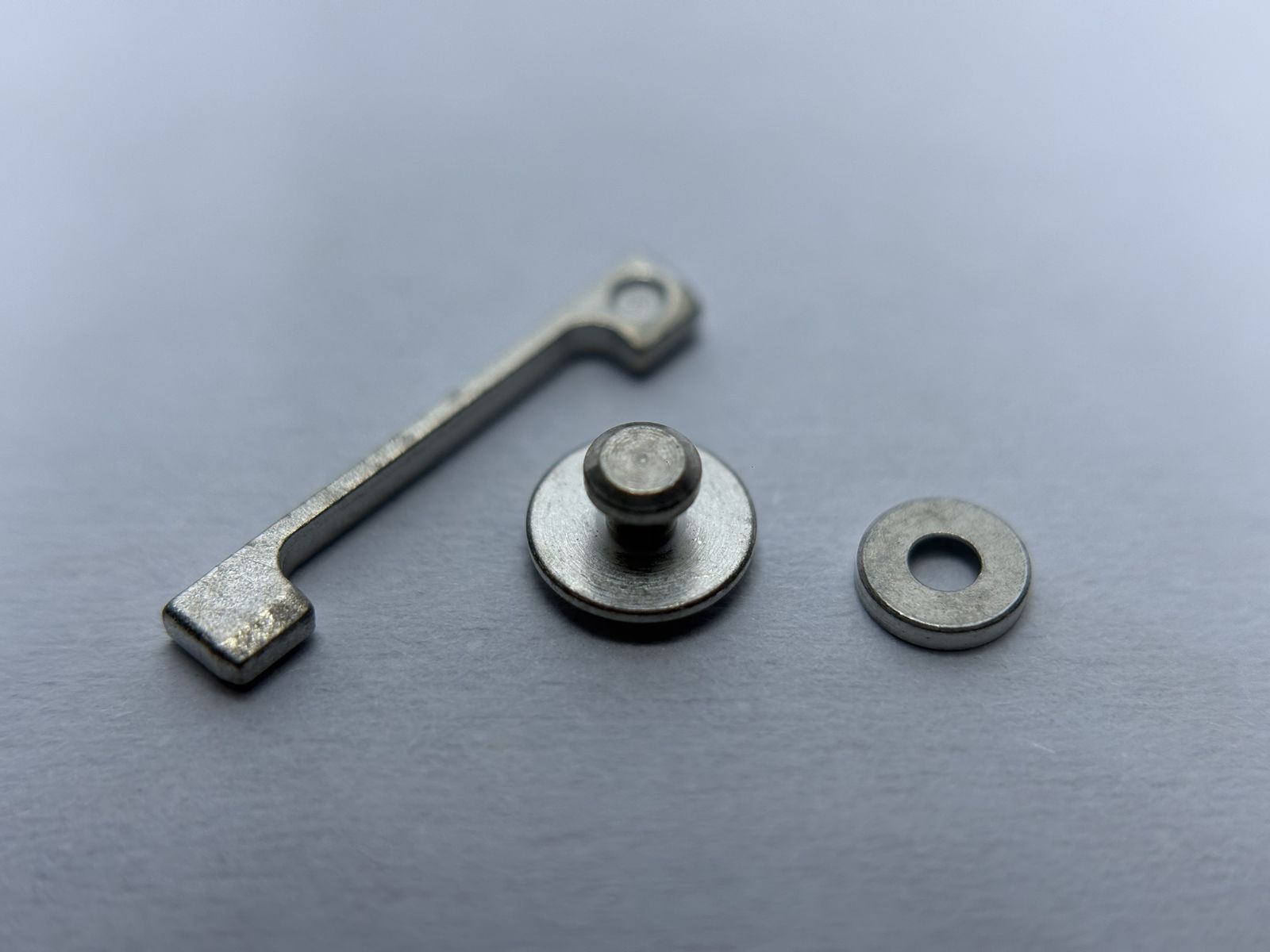
Lock Washers
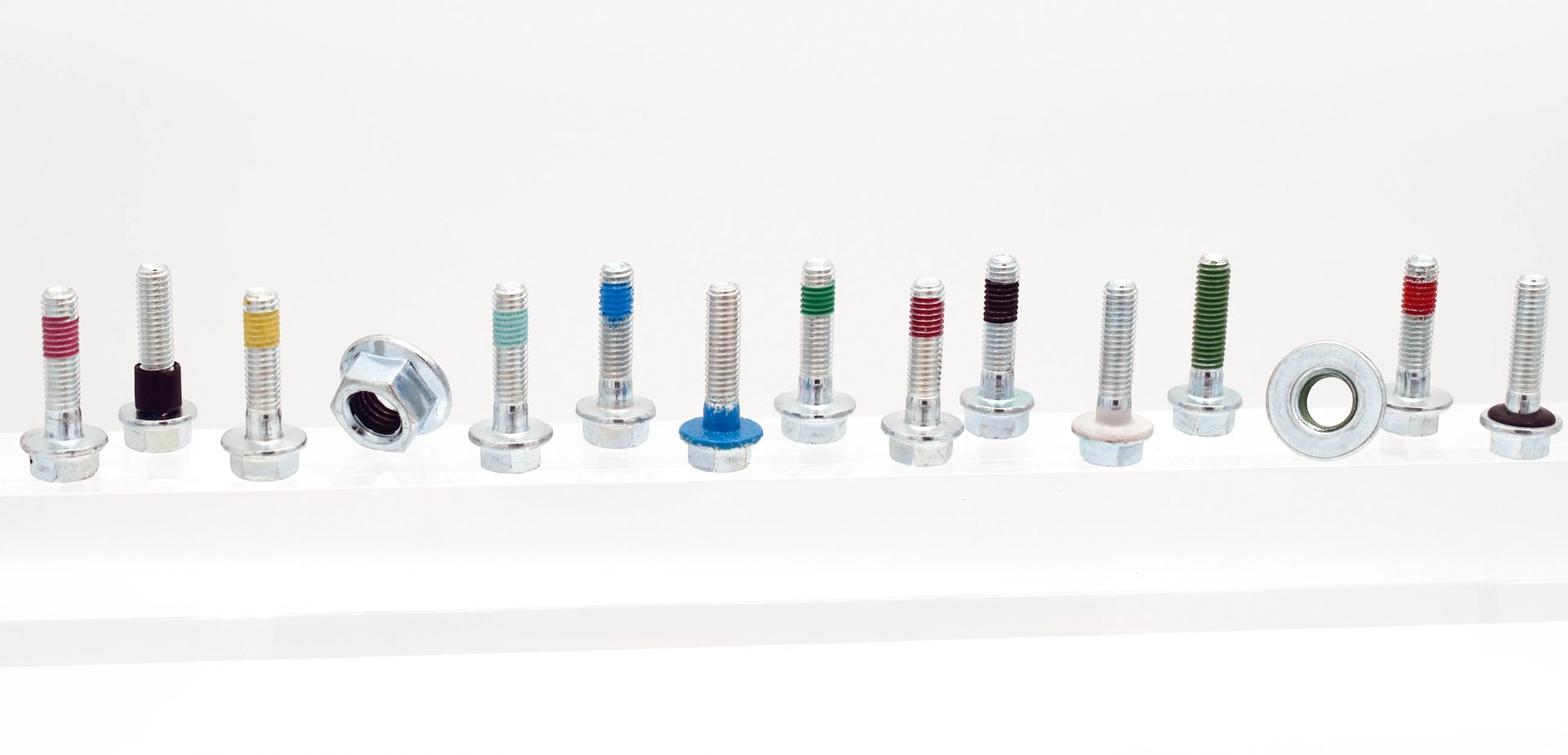
Lock washers are among the core anti-loosening fasteners for robot joints and transmission systems, holding preload where vibration would otherwise relax the joint.
Industry
Vibration-proof fastening for drones, eVTOL and unmanned platforms
Low-Altitude Economy Why it matters
An unmanned aircraft combines two requirements that pull against each other. It has to be as light as possible, so the structure is thin, composite or both; and it must not come apart, because there is nobody on board to notice a loosening bolt. Vibration from rotors and airflow is continuous and broadband, which is the worst case for a threaded joint.
The fastening answer is anti-loosening that works by geometry rather than by friction alone. Double-layer wedge-locking washers exploit the fact that the wedge angle between their mating faces is greater than the thread pitch angle, so removal torque exceeds installation torque and the joint resists transverse vibration. Single-sided serrated conical washers cover alternating-load conditions. Alongside them, sealed riveting handles the structural sheet joints and composite bonding plates achieve hole-free high-strength joining where drilling would cut fibres.
Wedge
Removal torque exceeds installation torque
IP68
Sealing on structural riveting
Hole-free
Composite bonding option
Transverse
Resists transverse vibration load
Field problems
These are the failure modes we see most often, and the engineering response that addresses each one. Problems are stated as they appear on the line, not as they appear in a textbook.
| Problem observed | Engineering response |
|---|---|
| Rotor vibration loosens bolted joints in flight. | Double-layer wedge-locking washers use a wedge angle greater than the thread pitch angle, so removal torque exceeds installation torque and the joint resists transverse vibration. |
| Alternating loads work a joint back and forth until preload is gone. | Single-sided serrated conical locking washers are designed for vibrating conditions with alternating loads, holding the joint through the load cycle rather than relying on friction alone. |
| A composite airframe cannot be drilled without cutting load-bearing fibres. | Composite bonding plates achieve non-destructive, hole-free high-strength joining through adhesive bonding, so the fibre path stays intact. |
| A structural sheet joint must stay watertight in rain and humidity. | Sealed rivet nuts and blind rivets with pre-applied adhesive on the head hold IP68 at each fastener position in the structure. |
| Every gram of fastener mass reduces payload and endurance. | Aluminium bolts remove up to 65% of fastener mass against steel, and the formed flange eliminates the separate washer — weight saved twice at the same joint. |
| A joint sealed with a separate gasket is only as good as the technician fitting it. | Pre-coated sealing compound on the screw or rivet head makes the seal part of the fastener, so it cannot be omitted or mispositioned during assembly. |
Specification basis
A starting specification, not a fixed menu. Most programmes adjust one or two of these after the first joint review.
Anti-loosening
Double-layer wedge-locking and single-sided serrated conical washers
Structural joining
Clinching parts for sheet metal and thin die-castings, with grounding
Blind joining
Rivet nuts, rivet bolts and blind rivets, sealed and non-sealed
Sealing
IP68 with pre-applied adhesive on rivet heads
Composite structures
Bonding plates for hole-free high-strength joining
Locking screws
Pre-coated thread locking compound and captive screws
Lightweight bolting
Aluminium bolts for mass-critical joints
Recommended products
Chosen for the tolerance, finish and locking requirements typical of the assemblies described above.
Thread & Panel · Joint anti-loosening
Lock washers are among the core anti-loosening fasteners for robot joints and transmission systems, holding preload where vibration would otherwise relax the joint.
Micro Screws · From M0.8 × 1.0 mm
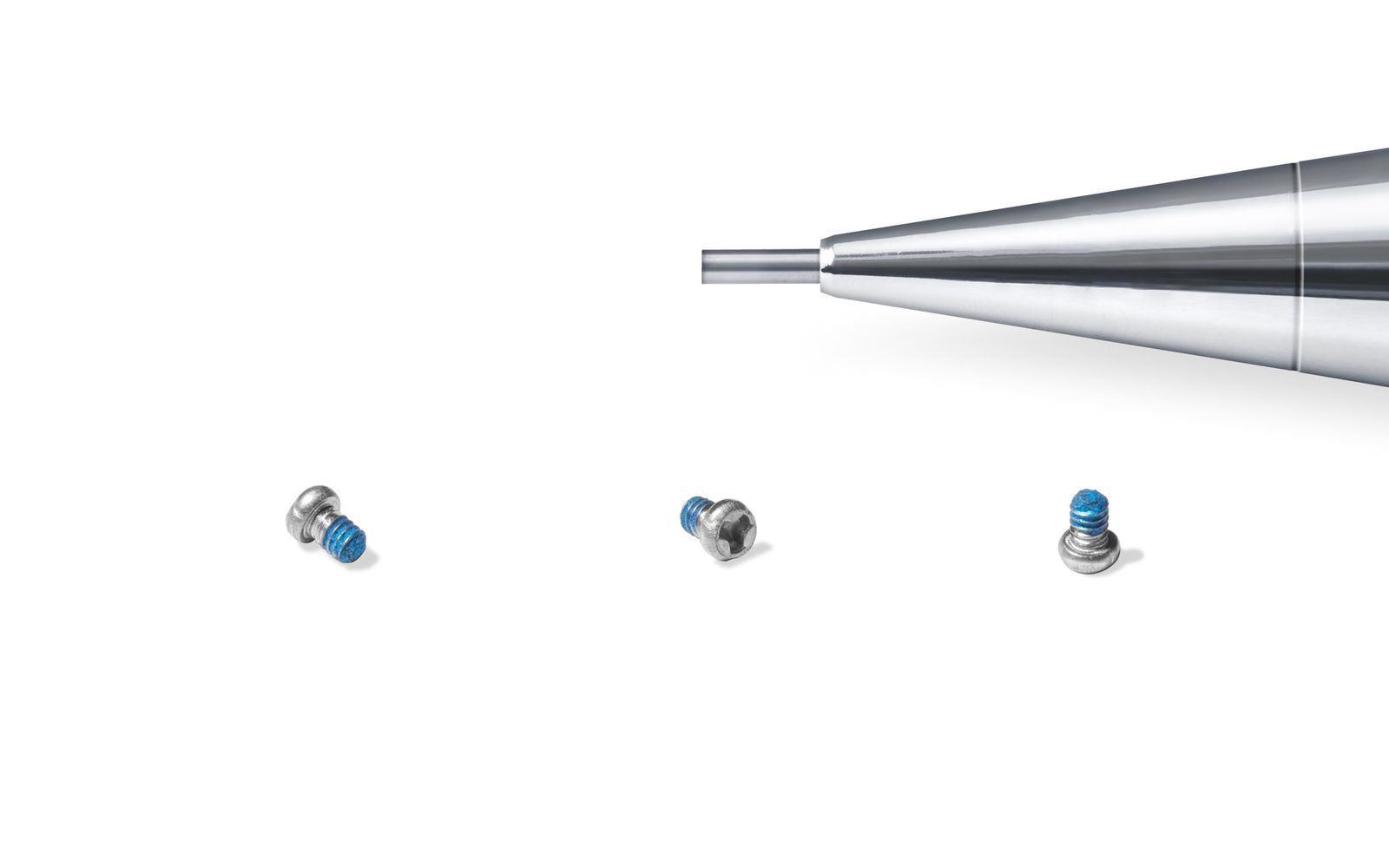
Screws supplied with a locking, sealing or vibration-damping element already applied — micro-encapsulated adhesive, nylon patch, sealant or damping coating, from M0.8 upward.
Thread & Panel · One-side access
Rivet nuts and blind rivets install from the front face only, giving a threaded or permanent joint in a closed box, cabinet or duct where the back is unreachable.
Thread & Panel · Sheet metal panels
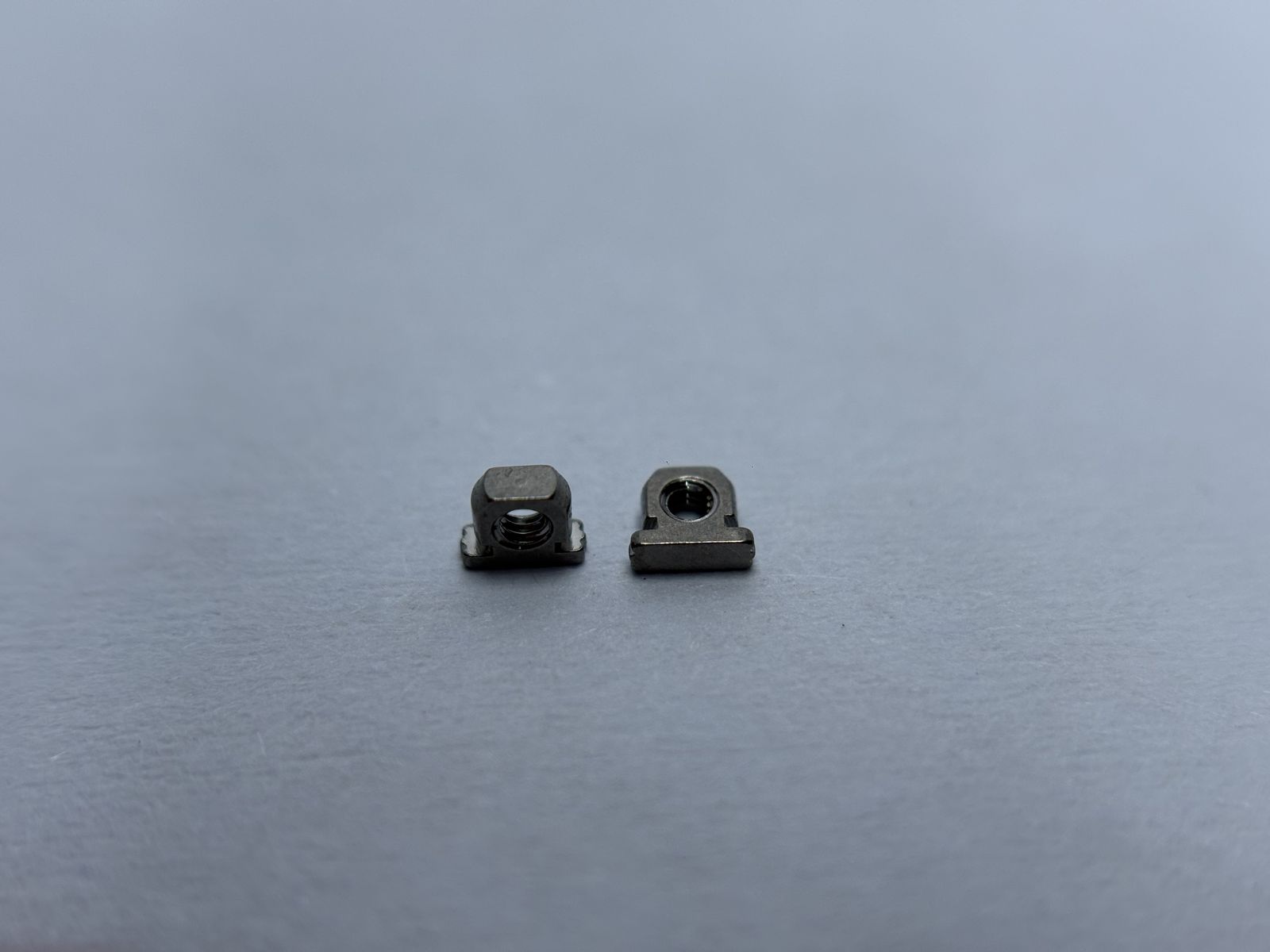
Clinching nuts, studs and grounding terminals are pressed into sheet metal with a press, giving a permanent load-bearing thread in a panel that is often thinner than the thread itself.
Thread & Panel · Lightweight joints
Cold-formed 7-series aluminium bolts that replace steel in magnesium and aluminium assemblies — removing galvanic corrosion and cutting fastener weight at the same time.
Design notes
These decisions are cheap at concept stage and expensive after tooling is cut.
01
A wedge-locking washer pair has a wedge angle greater than the thread pitch angle, so the joint needs more torque to loosen than it did to tighten. That is a different mechanism from friction, and it is why it survives transverse vibration that defeats a spring washer.
02
Every hole in a composite cuts fibres and creates a stress concentration. Bonding plates achieve a high-strength joint without a hole, which is the preferred route wherever the design allows it.
03
A pre-applied adhesive on the rivet or screw head makes the seal part of the part. It cannot be forgotten, and it does not depend on the technician getting a gasket in the right place.
04
Replacing a steel bolt with an aluminium one saves up to 65% of the bolt mass and removes the washer, because the flange is formed in one piece. In an aircraft those savings compound across hundreds of joints.
Joint review
A drawing gives us geometry. The mating material, the service cycles and the cleaning chemistry decide whether the joint works. Send all three and we will review the whole stack.
Questions
Answers to the questions that come up most in this industry.
Related industries
The same fastener discipline applies across these industries, with different documentation and validation requirements.
Industry
Aluminium bolts, anti-galvanic protection, thread inserts and sealed riveting for battery packs, chassis, e-powertrain and body structures.
Industry
Shoulder screws, thread inserts, high-strength screws and rod end bearings for the joints, frames and transmission systems of humanoid robots and dexterous hands.
Industry
Thread rolling screws, reinforcing inserts, pre-coated sealing screws and anti-galvanic protection for magnesium and aluminium die-castings that must be joined without losing the casting.
From a single prototype joint to a PPAP production launch, the same team reviews the drawing and the assembly context.