Manufacturing in Bekasi, West Java — Indonesia ISO 9001 · IATF 16949 · ISO 14001 · ISO 45001

Case study

Holding a 0.35 mm head height in a camera module

A camera module stack had 0.4 mm of vertical budget for four screws. Wafer-head M1.0 screws with ±0.02 mm head height made the stack fit without a housing redesign.

Smartphones & Wearables

0.35

Head height achieved (mm)

±0.02

Head height tolerance (mm)

M1.0

Screw diameter

0

Housing redesigns required

Client: Consumer electronics OEM, Tier-1 camera module supplier · Industry: Smartphones & Wearables

The challenge

What was failing

The module stack — lens barrel, OIS actuator, sensor board and shield can — had 0.4 mm of vertical clearance for the fasteners. The existing M1.2 pan head screws were 0.65 mm high, so the shield can would not seat and the autofocus actuator hit its travel limit.

The obvious answer was to redesign the housing, but tooling was already cut. The team needed a fastener that recovered 0.3 mm without changing the screw diameter or the thread engagement.

At a glance

  • 0.35 — head height achieved (mm)
  • ±0.02 — head height tolerance (mm)
  • M1.0 — screw diameter
  • 0 — housing redesigns required

Products specified

Machine Thread · PVD Coated · Precoated

The approach

What we changed

Each change addresses a specific failure mechanism rather than tightening a specification in general.

01

Wafer head instead of pan head

A wafer head with a 0.35 mm height and a 2.0 mm diameter recovered 0.30 mm while keeping the same M1.0 thread and drive size.

02

Hold head height, not just diameter

Head height was specified at ±0.02 mm and measured on 100% of parts by vision, because a 0.04 mm spread would consume a fifth of the remaining budget.

03

Keep the drive usable

Reducing head height reduces recess depth. We used a Phillips 000 drive rather than a Torx T2, which would have been too shallow to transmit torque reliably at this height.

04

Control the bearing face

The underside of the head was coined flat to 0.01 mm so that clamp load was distributed evenly and the actuator plate did not tilt.

The result

Measured outcome

01

The module stack fitted without a housing change, avoiding a tooling modification estimated at several weeks.

02

Autofocus travel was restored to full range with no interference.

03

Head height Cpk was 1.67 over the first three production lots.

04

The wafer head became the standard for two subsequent module generations.

“

We thought we needed a new housing. We actually needed 0.3 mm, and the fastener was the only place left to find it.

Mechanical engineer, camera module programme

Products used

Specified in this programme

These families carried the joint. A different combination may suit your assembly — the engineering method is the same.

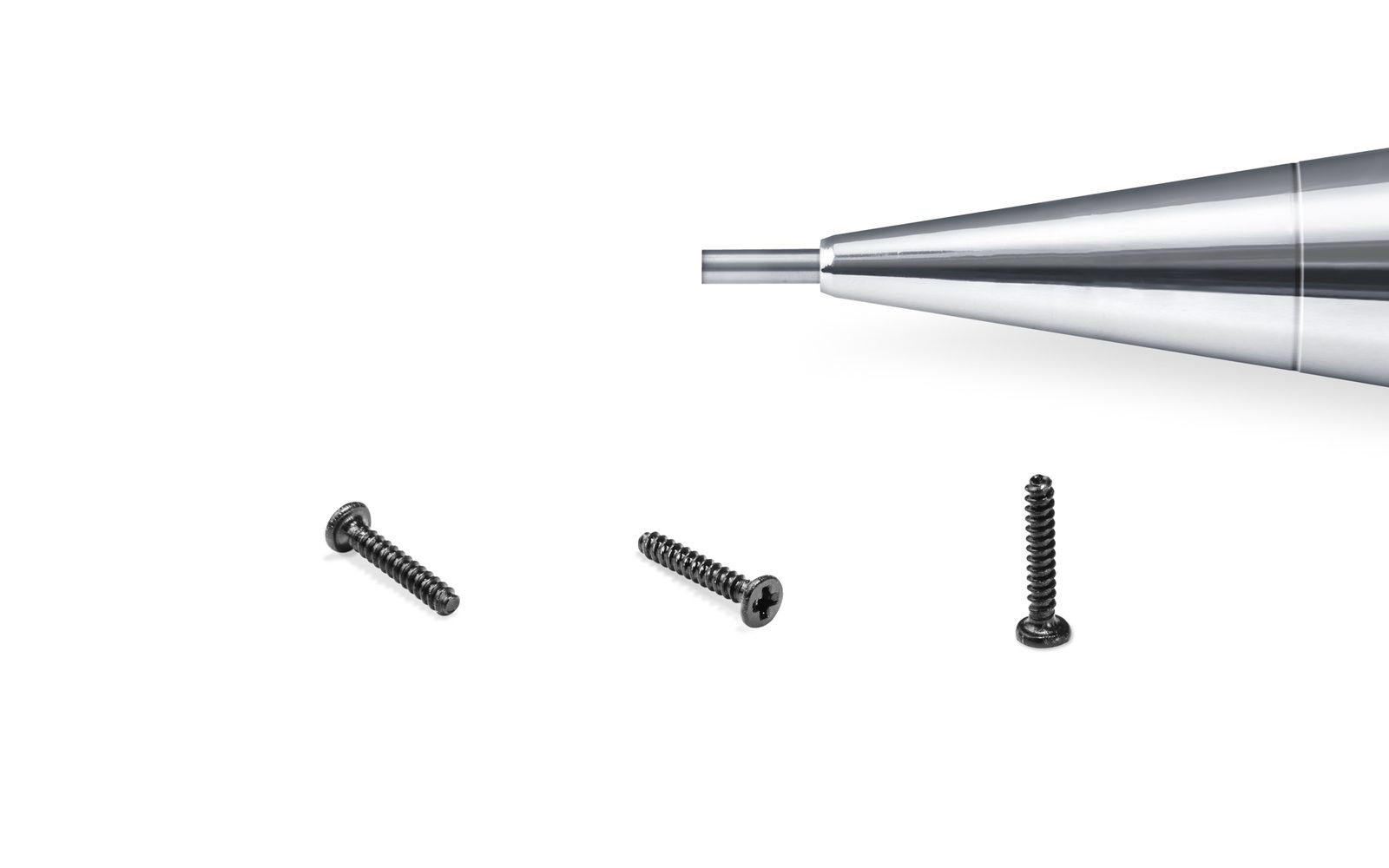
M0.8 machine thread micro screws shown beside a pencil tip for scale

Micro Screws · M0.5 – M6

Machine Thread Micro Screws

Precision machine screws from M0.5 to M6 with rolled Class 6g threads, tight head concentricity and clean drive recesses for automated driving.

Class 6g threadRolled threadStainless / carbon steel
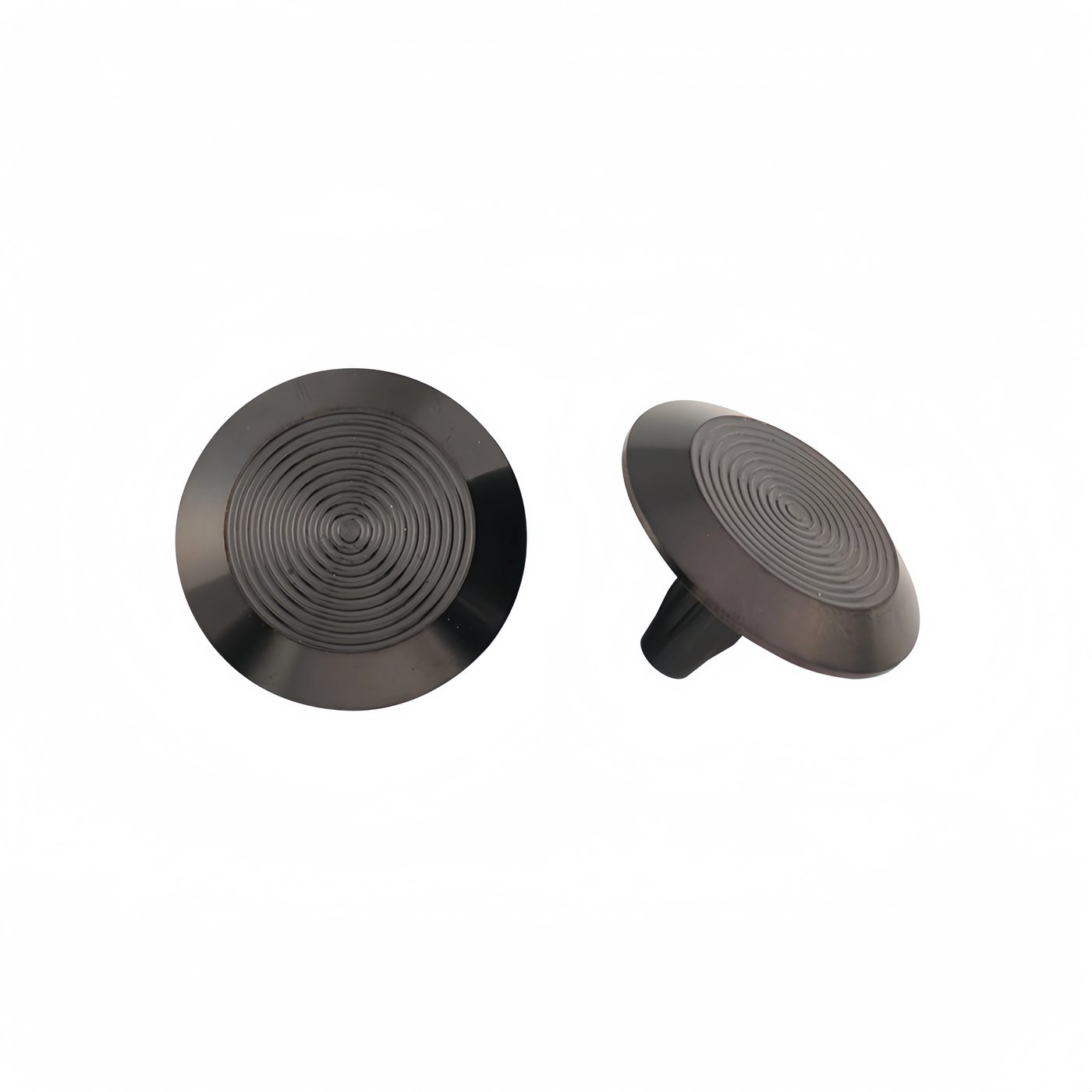
PVD coated screws with a CD-pattern rainbow finish

Micro Screws · M0.8 – M6

PVD Coated Screws

Physical vapour deposition coatings that add 2–5 µm of hard ceramic film — for driver wear resistance, low friction and decorative black or gold finishes.

2–5 µm filmTiN · CrN · DLCHV 1800+
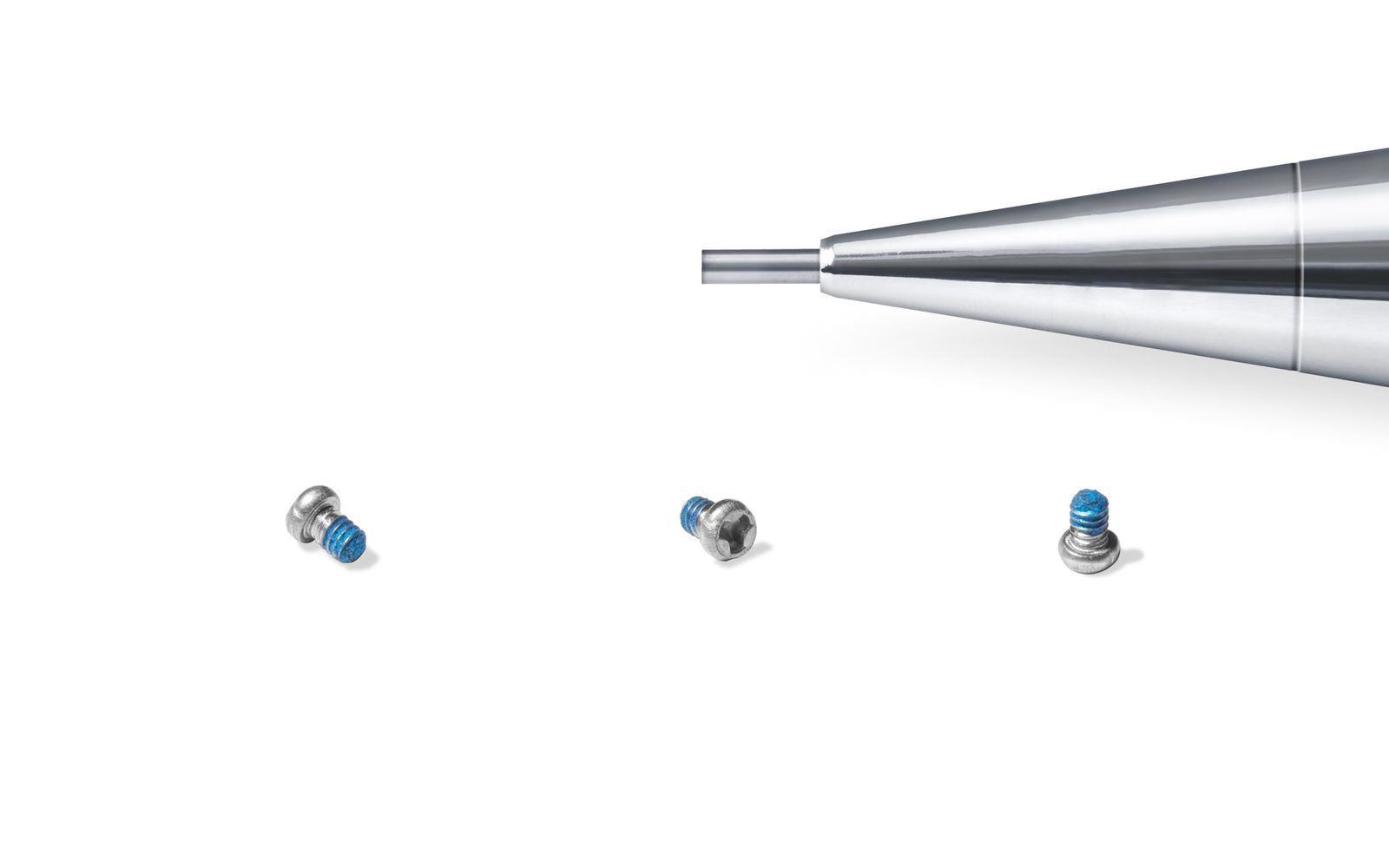
Micro screws with a blue nylon patch threadlocking element

Micro Screws · M0.8 – M6

Precoated Screws

Screws with a factory-applied locking or sealing element, so the assembly line receives a ready-to-drive fastener with no liquid adhesive and no cure time.

Nylon patchMicro-encapsulated3M tape

Discuss a similar problem

Send the joint drawing, the cycle count and the failure mode. We will tell you whether the fix is a fastener, a tolerance or a design change.