Micro Screws · M0.8 – M6
Precoated Screws
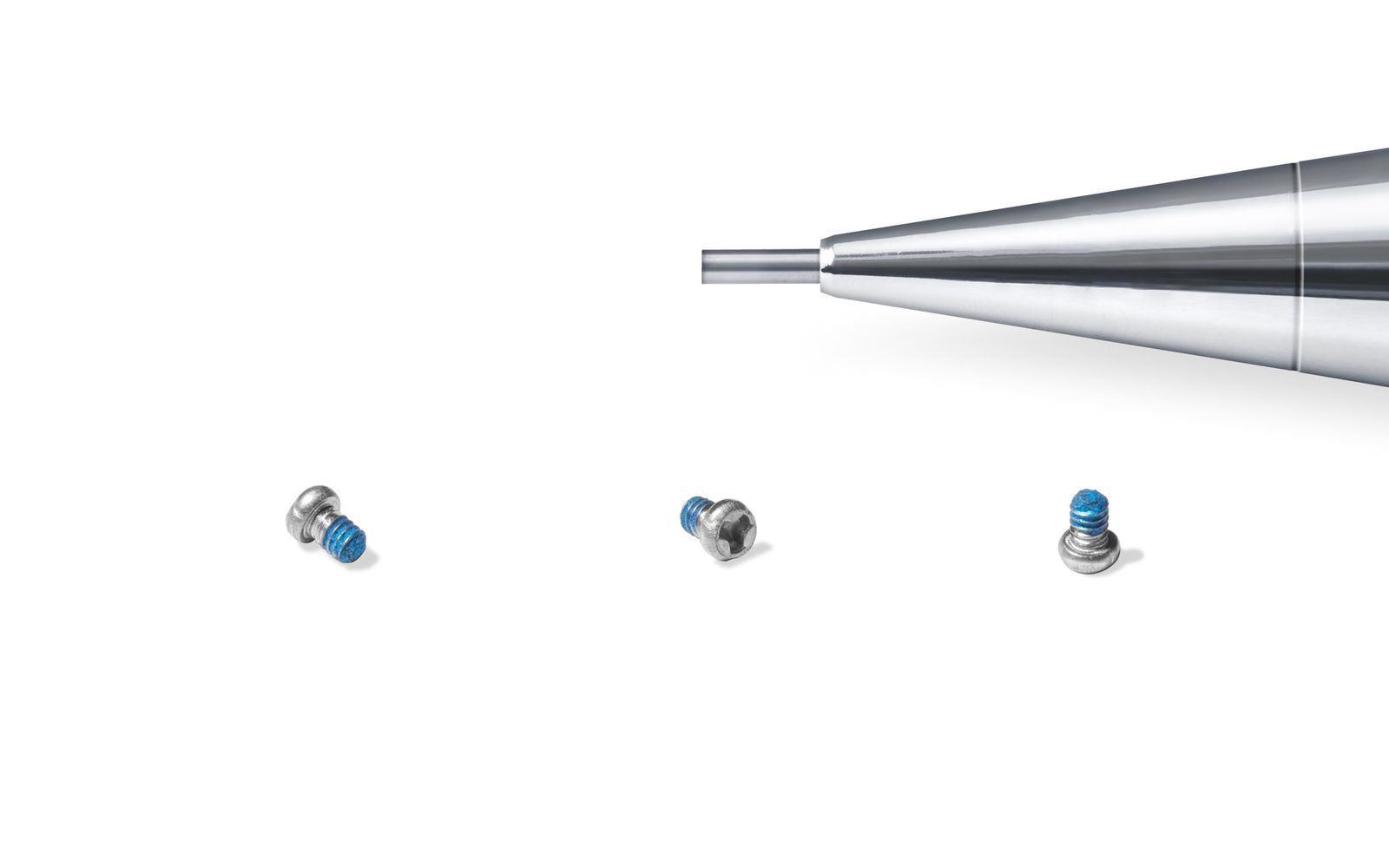
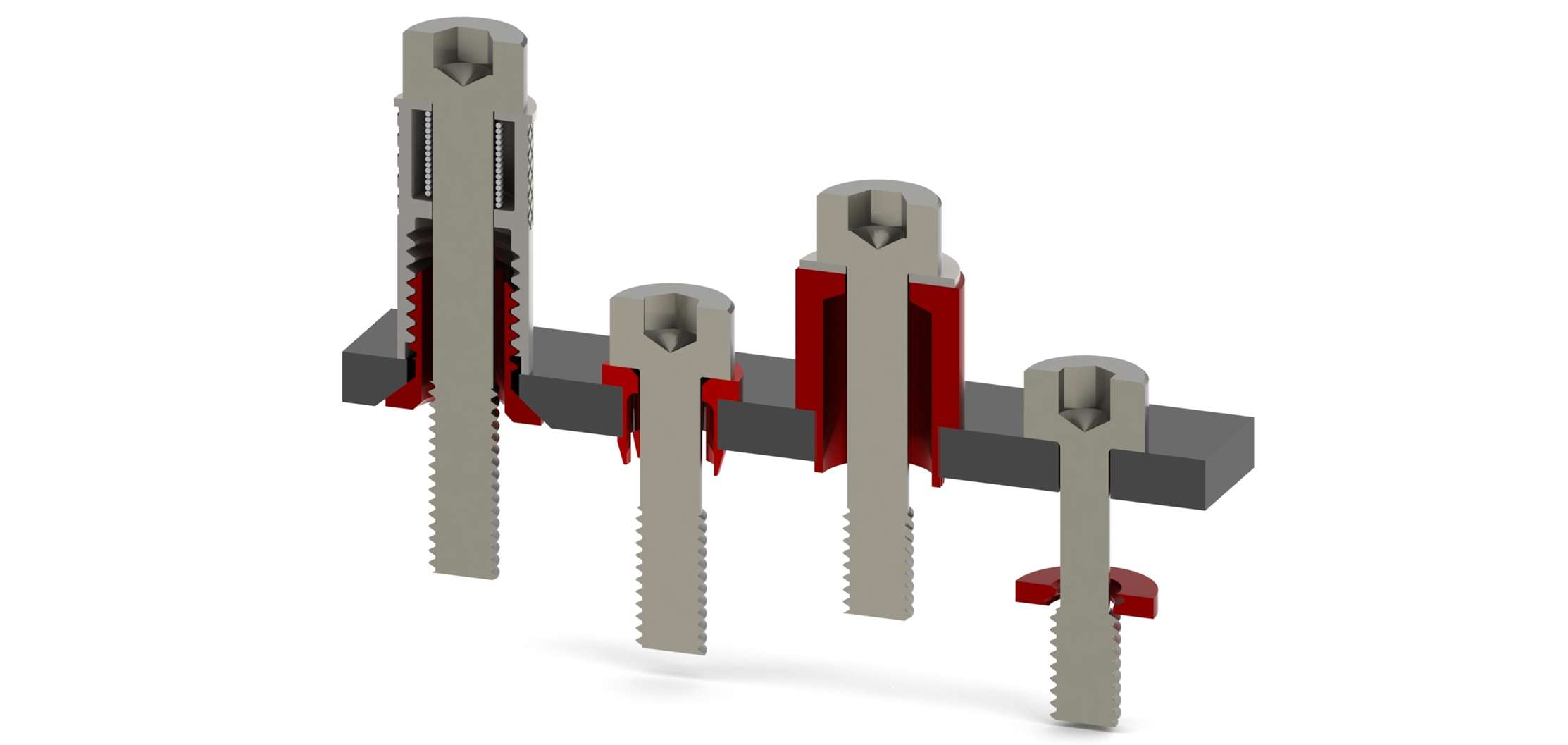
Screws with a factory-applied locking or sealing element, so the assembly line receives a ready-to-drive fastener with no liquid adhesive and no cure time.
Nylon patchMicro-encapsulated3M tape
Industry
IATF 16949 fasteners for ECUs, sensors and battery modules
 Automotive Electronics
Why it matters
Automotive electronics does not forgive a fastener that is 95% right. A control unit that loses clamp load after 10 years of thermal cycling becomes a warranty claim; a screw with the wrong coating becomes a corrosion failure in a salt-spray test that the whole programme depends on. The documentation burden is also higher: PPAP, control plans, PFMEA and lot traceability are entry requirements, not extras.
We manufacture to IATF 16949 discipline, with PPAP documentation, MSA on gauges, control plans per part family and lot-level traceability from wire heat number to packed carton. Our fasteners are used in ECU housings, sensor bodies, battery management modules and infotainment brackets, where M2–M4 screws must hold torque through vibration and thermal cycling.
IATF
16949 certified quality system
PPAP
Levels 1–4 supported
−40/+125
Operating temperature range (°C)
100%
Lot traceability
Field problems
These are the failure modes we see most often, and the engineering response that addresses each one. Problems are stated as they appear on the line, not as they appear in a textbook.
| Problem observed | Engineering response |
|---|---|
| A ECU cover screw loses preload after thermal cycling and the seal leaks. | Precoated screws with encapsulated adhesive plus a controlled preload, validated through the customer thermal profile. |
| Salt spray testing fails at the thread root where coating is thin. | Zinc-nickel or Dacromet with coating thickness verified at the thread root, not only on the head. |
| A programme audit requires PPAP and the supplier cannot provide it. | Full PPAP package with dimensional results, material certs, performance tests, PFMEA and control plan. |
| Vibration loosens a sensor bracket screw. | Nylon patch or encapsulated adhesive selected against the customer vibration profile, verified on a shaker. |
| A mixed lot is found at the assembly plant and the build is quarantined. | Lot coding on every carton linked to wire heat, forging, heat treatment, coating and inspection records. |
| Hydrogen embrittlement causes delayed fracture in a 12.9 plated screw. | Baking within the specified window after plating, with relief records supplied per lot. |
Specification basis
A starting specification, not a fixed menu. Most programmes adjust one or two of these after the first joint review.
Diameter
M2.0 – M5.0
Property class
8.8, 10.9, 12.9, A2-70
Coating
Zinc-nickel, Dacromet, Geomet, passivation
Salt spray
480 – 1,000 h depending on specification
Temperature
−40 °C to +125 °C
Quality system
IATF 16949, PPAP, MSA, control plan
Traceability
Lot code to wire heat number
Testing
Vibration, thermal shock, salt spray, torque-tension
Recommended products
Chosen for the tolerance, finish and locking requirements typical of the assemblies described above.
Micro Screws · M0.8 – M6
Screws with a factory-applied locking or sealing element, so the assembly line receives a ready-to-drive fastener with no liquid adhesive and no cure time.
Micro Screws · M0.5 – M6
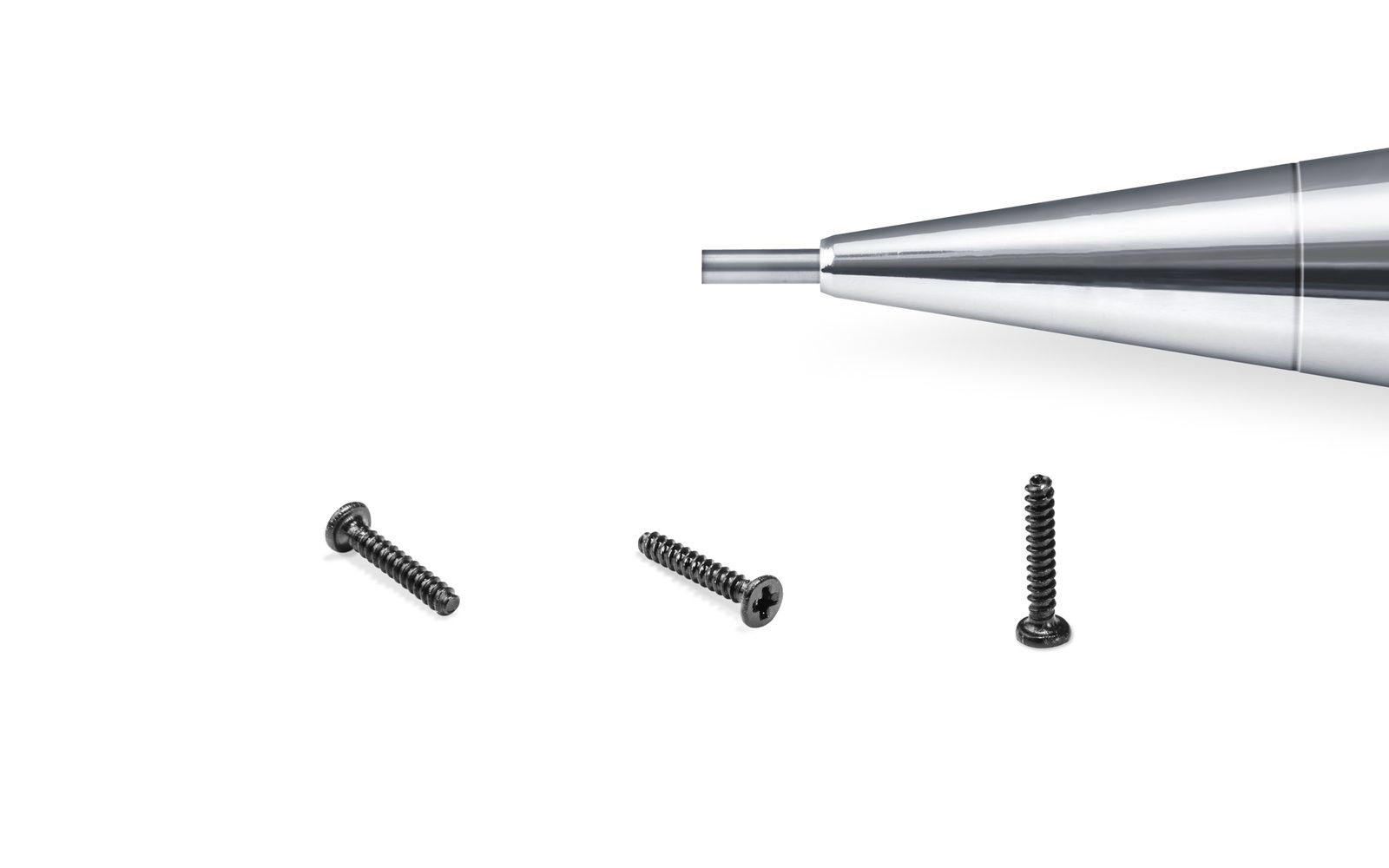
Precision machine screws from M0.5 to M6 with rolled Class 6g threads, tight head concentricity and clean drive recesses for automated driving.
Precision Components · M2 – M6
Captive panel screws that remain attached to the cover when opened — eliminating lost fasteners in field service, medical and rack-mount equipment.
Precision Components · M1 – M4
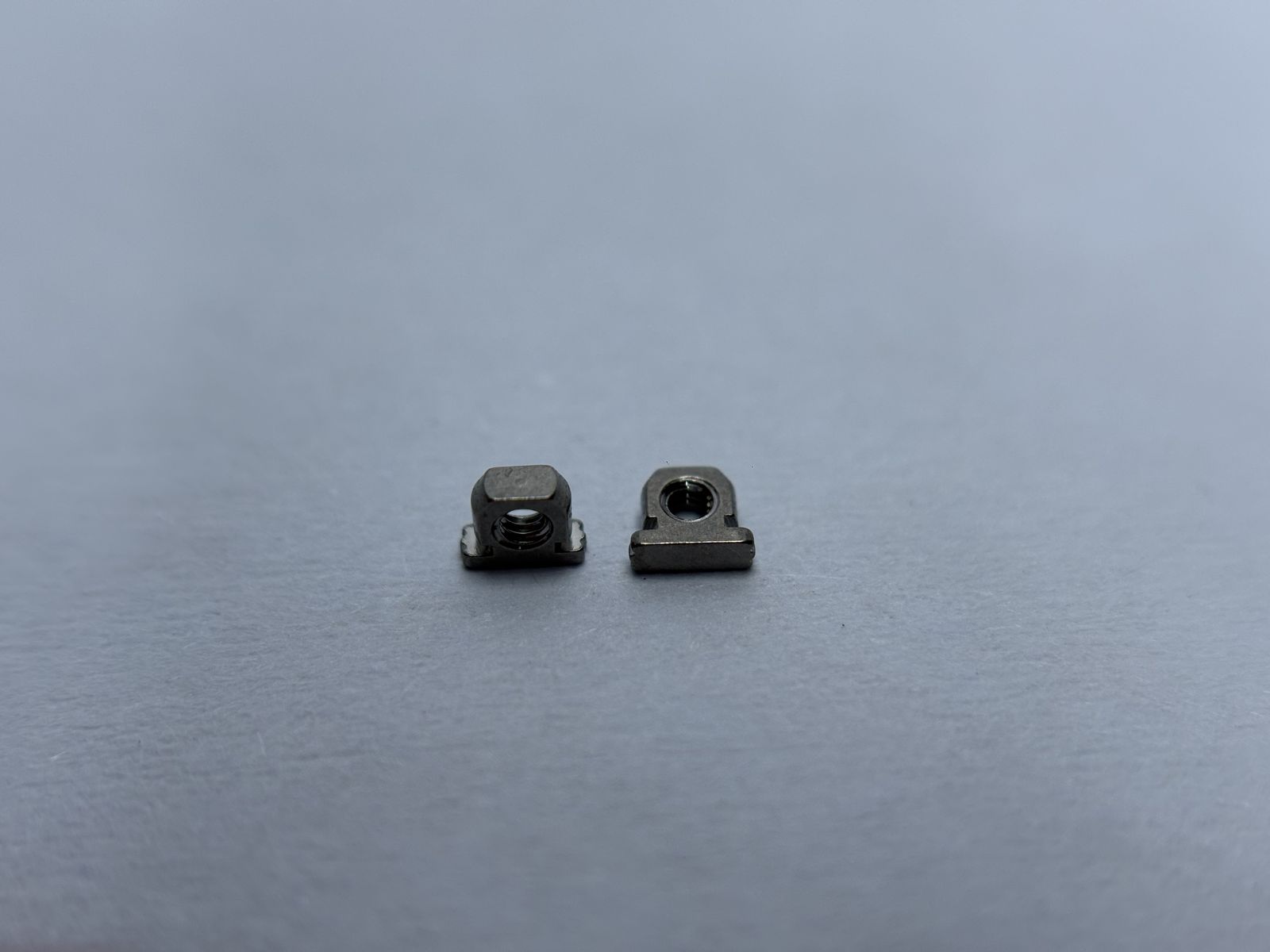
Male-female and female-female standoffs from M1 to M4, plus plain spacers, in brass, stainless and aluminium — with length tolerances that keep board stacks parallel.
Design notes
These decisions are cheap at concept stage and expensive after tooling is cut.
01
For class 10.9 and above, electroplating requires a bake within a defined window. Specify the bake and ask for the record; the coating alone does not tell you whether the part is safe.
02
Coating is thinnest where the geometry is sharpest. If the specification matters, inspect the thread root, not the head.
03
A drive that works in the lab may cam out on a pneumatic driver at 40 pieces per minute. Validate with the production tool, not a hand driver.
04
Automotive PPAP is expensive to repeat. Changes after PPAP submission cost weeks. Lock the finish, torque and locking method before design freeze.
Joint review
A drawing gives us geometry. The mating material, the service cycles and the cleaning chemistry decide whether the joint works. Send all three and we will review the whole stack.
Questions
Answers to the questions that come up most in this industry.
Related industries
The same fastener discipline applies across these industries, with different documentation and validation requirements.
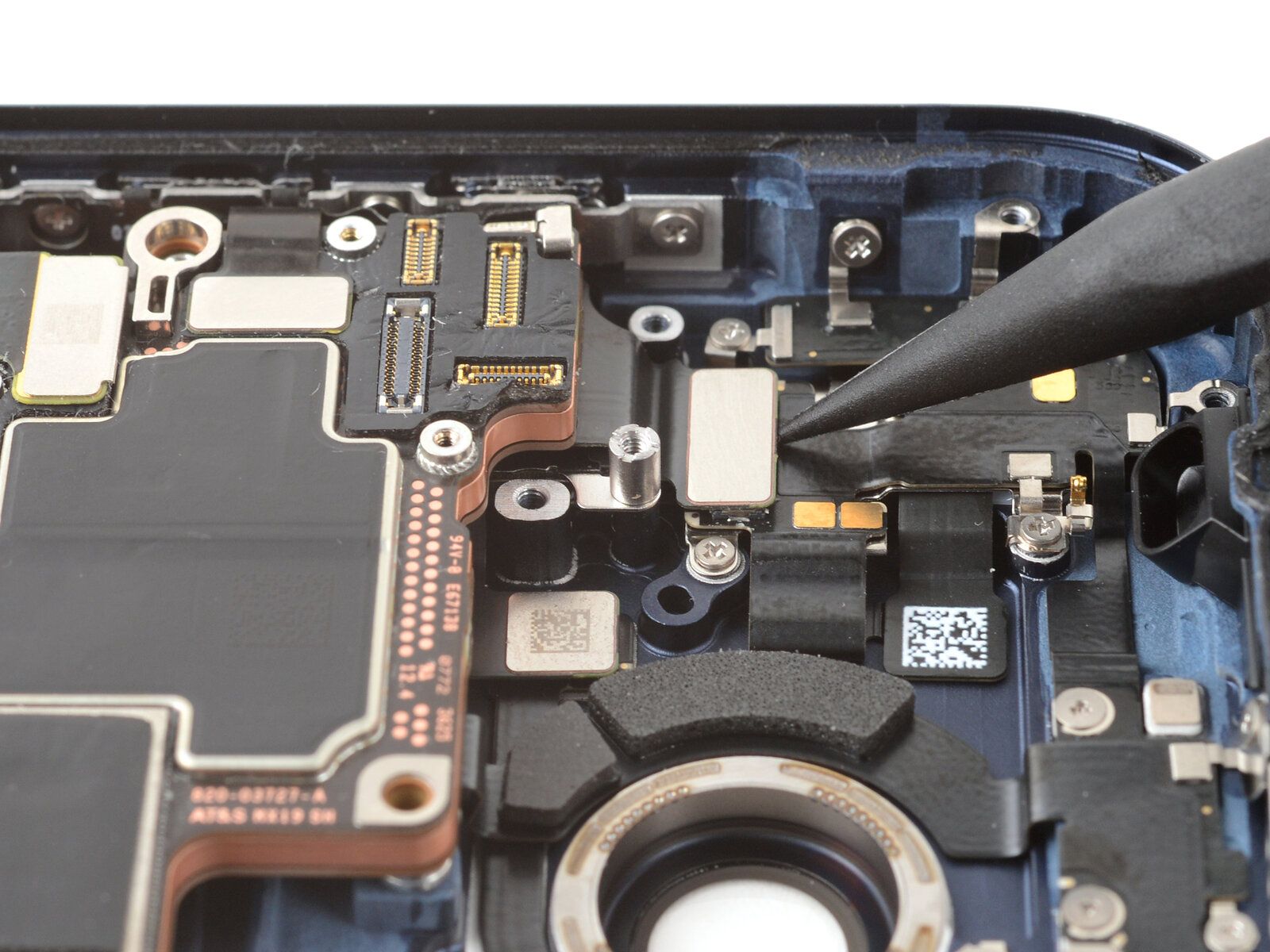
Industry
The core of our business: M0.5–M3 fasteners for smartphone modules, notebooks, wearables and PCB assemblies, with the finish control that cosmetic electronics demand.
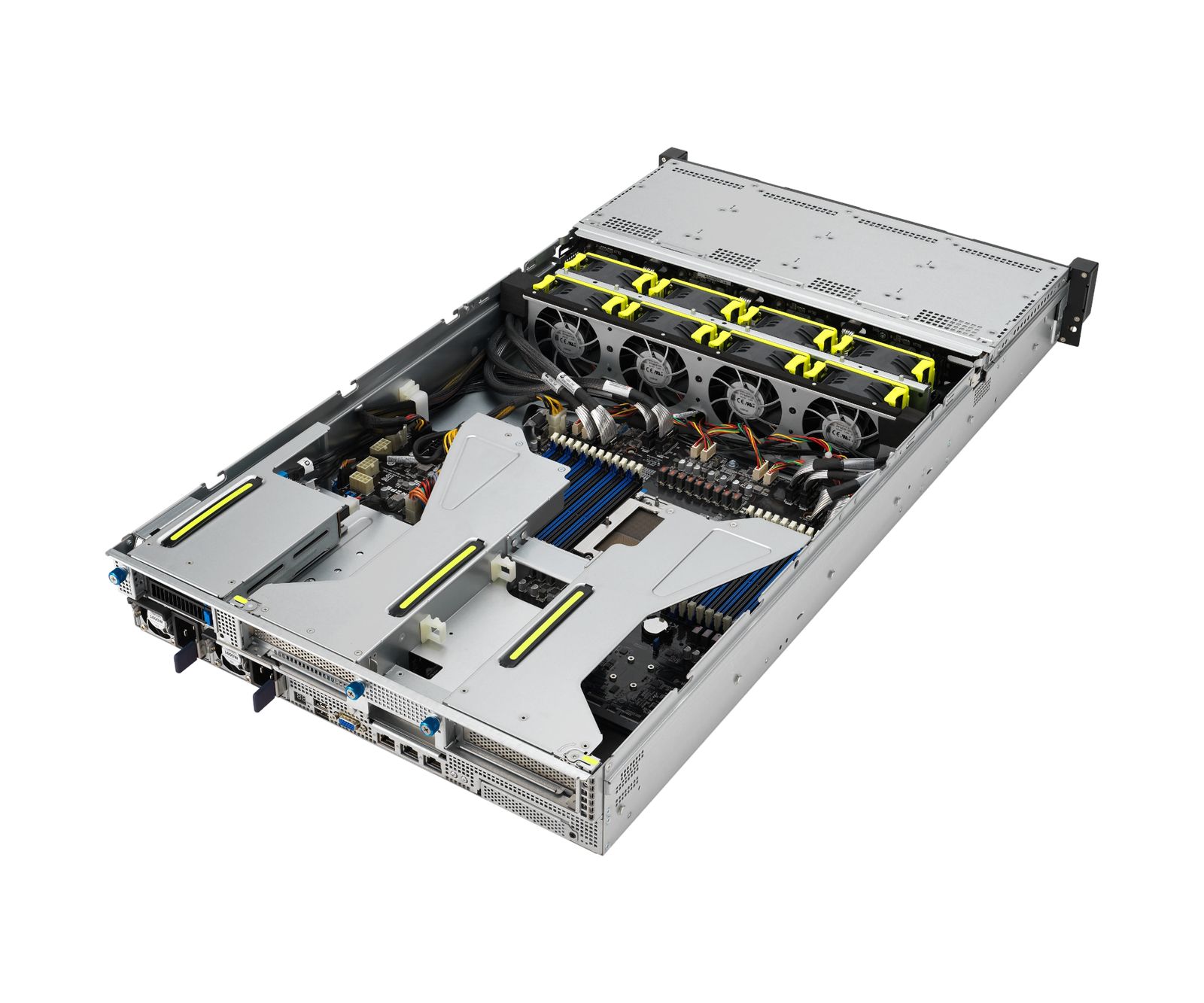
Industry
Standoffs, board screws, captive panel fasteners and high-strength screws for server chassis, GPU cards and data centre equipment.

Industry
Our second focus industry: M1–M4 high-strength fasteners for dexterous hands, finger linkages and tendon-driven mechanisms, where fasteners see millions of cycles.
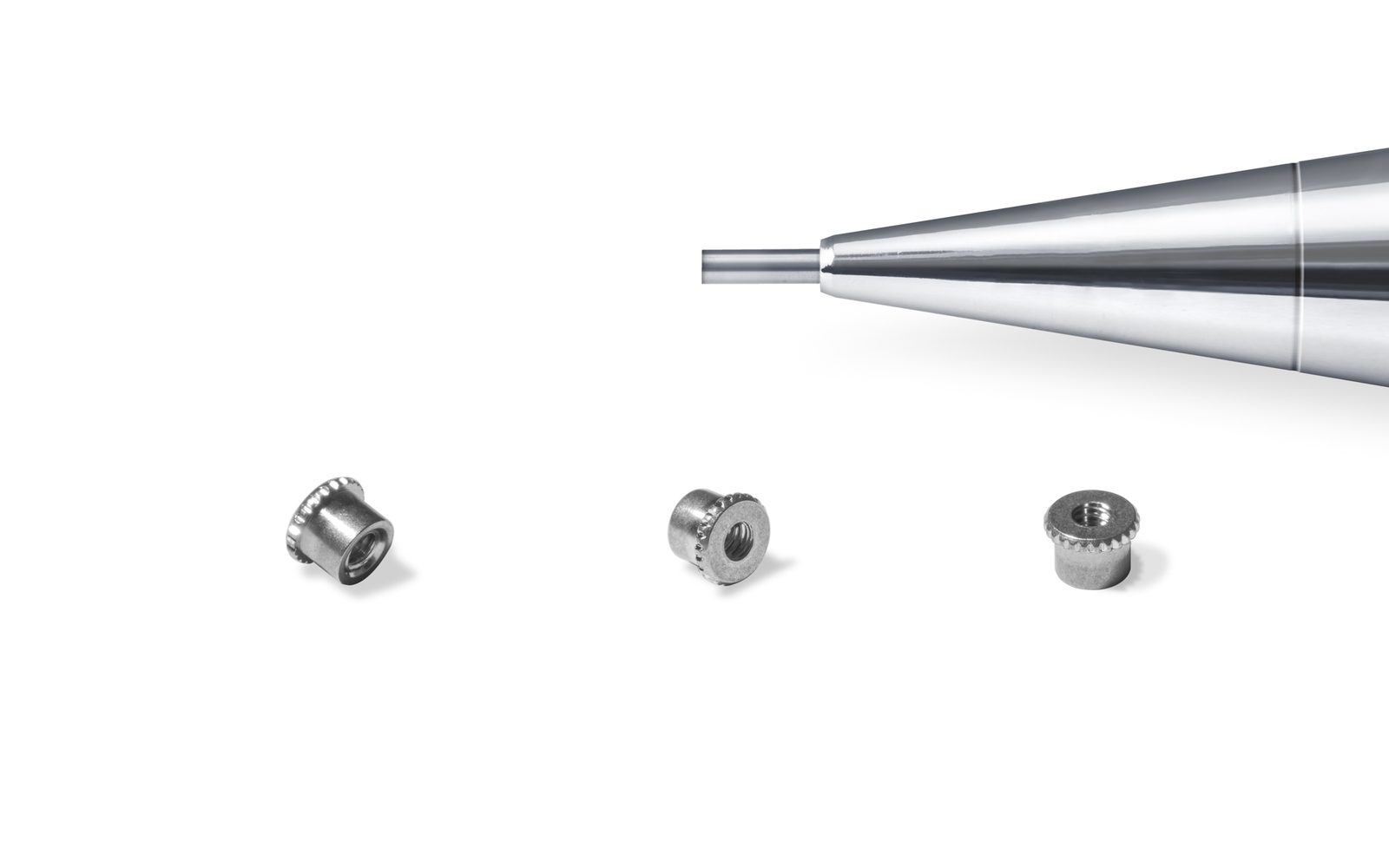
Industry
Stainless and titanium micro fasteners for surgical instruments, diagnostic equipment and analytical instruments — cleanable, non-magnetic and documented.
From a single prototype joint to a PPAP production launch, the same team reviews the drawing and the assembly context.