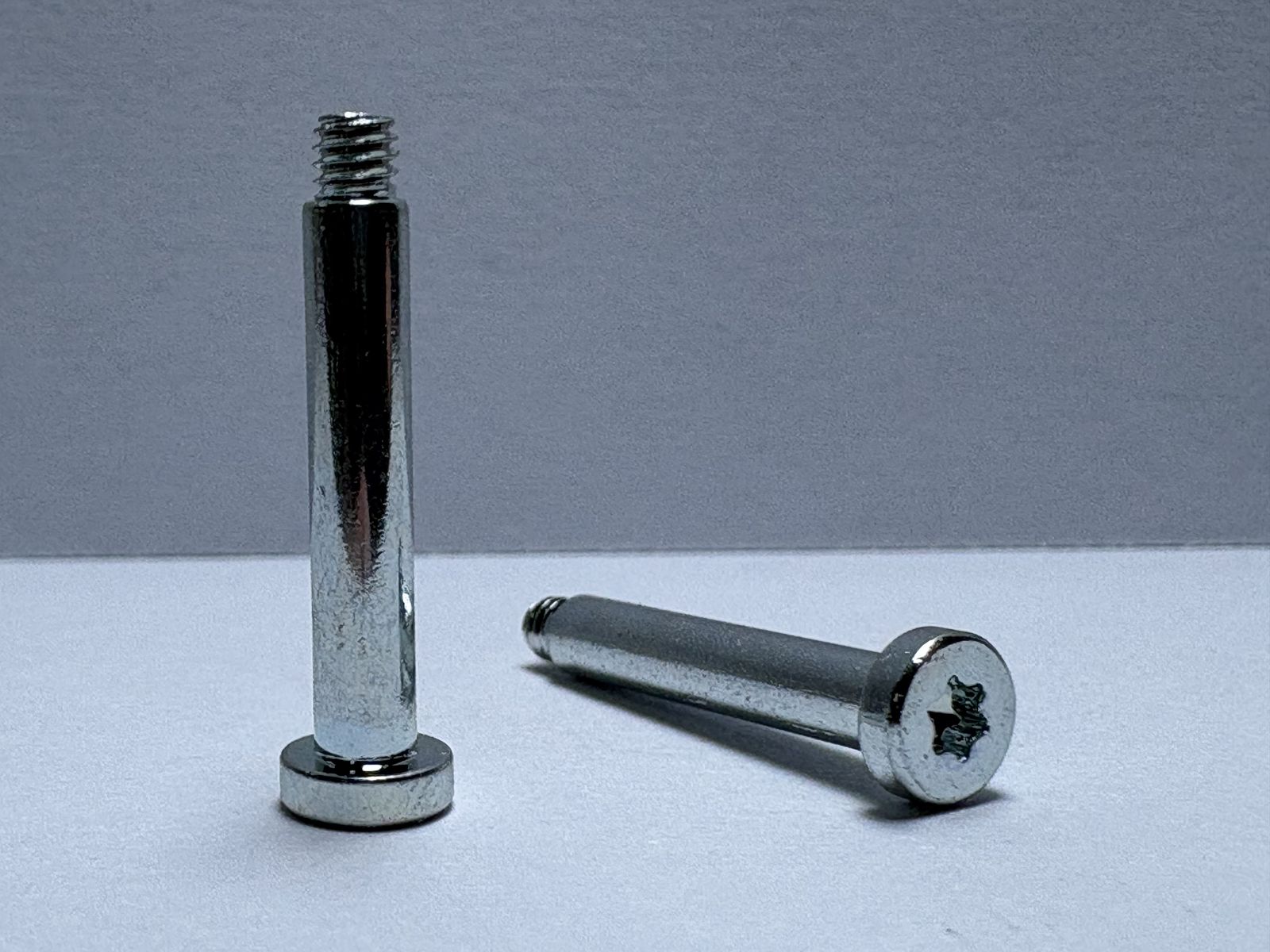
Precision Components · Ø1.0 – Ø10 mm
Shoulder Screws & Pins
Precision shoulder screws, dowel pins and stepped pins ground to h9 for pivot, locating and alignment duties in miniature mechanisms.
h9 ground shankPivot & locatingStainless / alloy
Industry
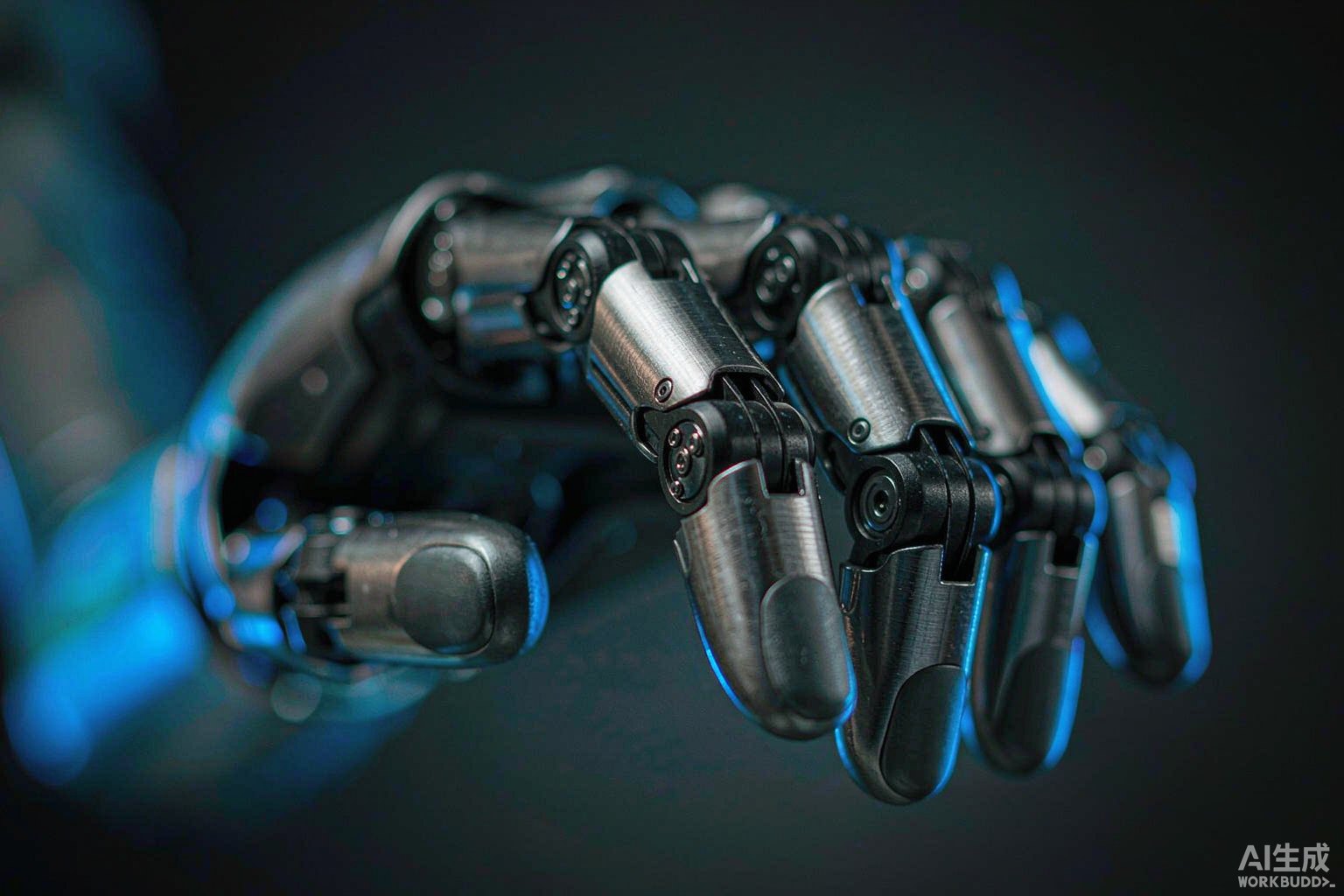
High-strength micro fasteners for fingers, joints and tendon drives
 Robotics & Dexterous Hands
Why it matters
A dexterous hand is the hardest fastening environment in robotics. The fingers are the size of a human finger, so the screws are M1 to M2.5. The joints reverse direction thousands of times per hour, so any fastener that loses preload becomes a rattle, then a backlash error, then a failure. And the whole assembly sits in the magnetic field of a joint motor, so a loose screw is not just a mechanical problem.
We work with robotics teams on three levels: the finger linkage, where M1.4–M2.0 high-strength screws and ground shoulder pins locate the phalanges; the tendon and pulley path, where precoated screws hold idlers and tensioners; and the palm and wrist, where M2.5–M4 screws clamp actuator housings and heat spreaders. For each position we look at the load direction and cycle count before recommending a locking method.
10⁷
Target cycle life for finger joints
M1.4
Typical phalanx screw size
h7
Shoulder pin fit for pivots
12.9
Highest property class used
Field problems
These are the failure modes we see most often, and the engineering response that addresses each one. Problems are stated as they appear on the line, not as they appear in a textbook.
| Problem observed | Engineering response |
|---|---|
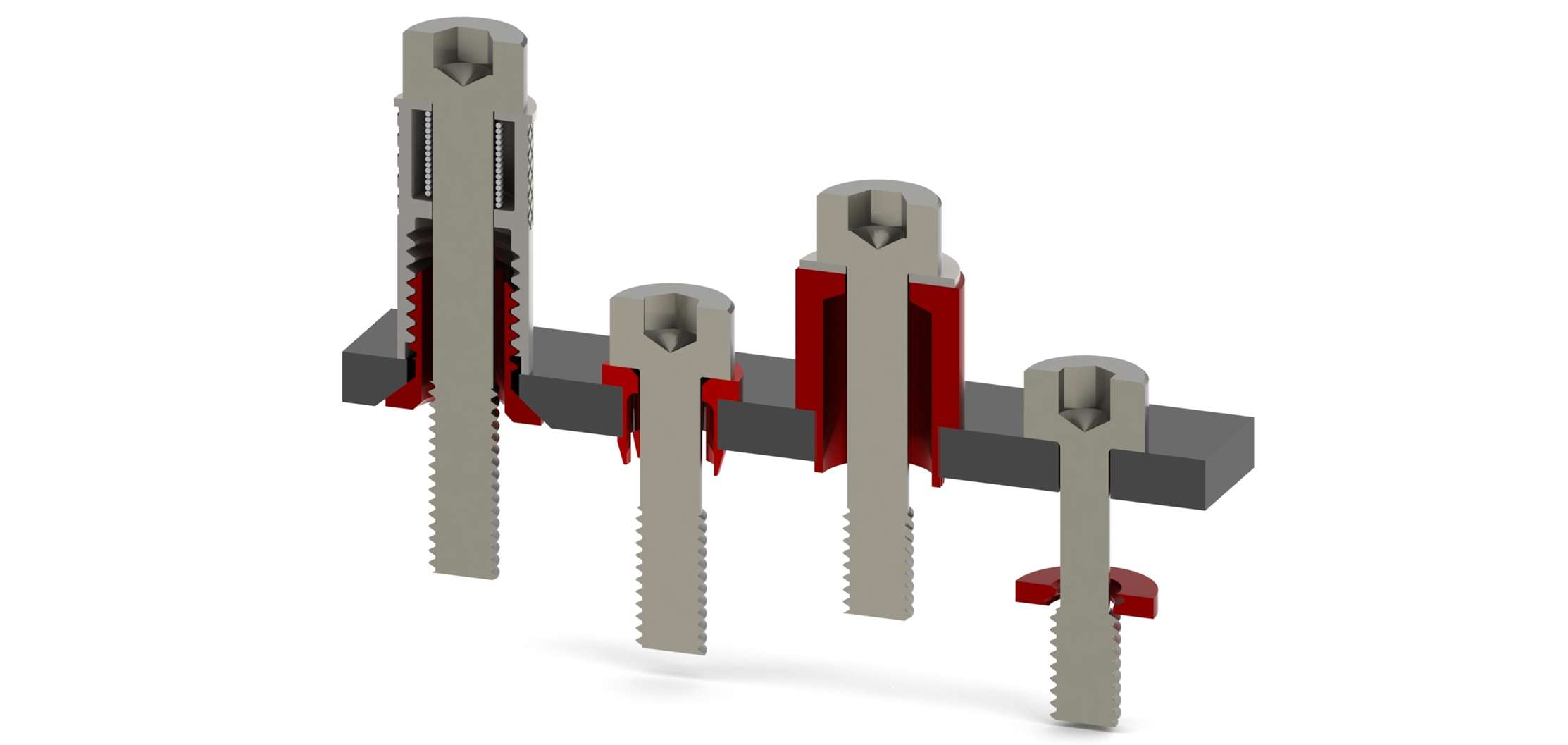
| Finger joint screws loosen after a few hundred thousand cycles and introduce backlash. | Encapsulated adhesive or nylon patch at a controlled thread position, with break-loose torque verified after cycling. |
| A shoulder screw with good diameter but slight bend binds in the phalanx bore. | Straightness held at 0.01 mm per 10 mm in addition to h7 diameter, with Ra 0.2 ground finish. |
| The screw head interferes with the tendon path. | Low-profile and wafer heads, or countersunk screws flush with the linkage plate. |
| Aluminium linkage plates strip their threads after repeated service. | Threaded inserts or steel standoffs in the aluminium plate, with pull-out tested in the actual alloy. |
| Magnetic joint motors attract loose ferrous fasteners. | SUS316 or titanium fasteners with permeability data, plus captive or precoated designs to prevent loosening. |
| Every gram of finger mass increases actuator torque demand. | Titanium and aluminium fasteners where strength allows, with mass quoted per screw on the drawing. |
Specification basis
A starting specification, not a fixed menu. Most programmes adjust one or two of these after the first joint review.
Diameter
M1.0 – M4.0, M1.4–M2.0 in fingers
Property class
10.9 / 12.9 steel, A4-80 stainless, Grade 5 titanium
Locking
Encapsulated adhesive preferred, nylon patch for serviceable joints
Head style
Low profile, wafer, countersunk flush
Shoulder pins
h7 ground, straightness 0.01 mm/10 mm, Ra 0.2
Magnetic
Non-magnetic SUS316 / titanium available
Testing
Cycle life, break-loose after cycling, backlash measurement
Documentation
Material cert, torque spec, permeability data
Recommended products
Chosen for the tolerance, finish and locking requirements typical of the assemblies described above.
Precision Components · Ø1.0 – Ø10 mm
Precision shoulder screws, dowel pins and stepped pins ground to h9 for pivot, locating and alignment duties in miniature mechanisms.
Micro Screws · M0.8 – M6
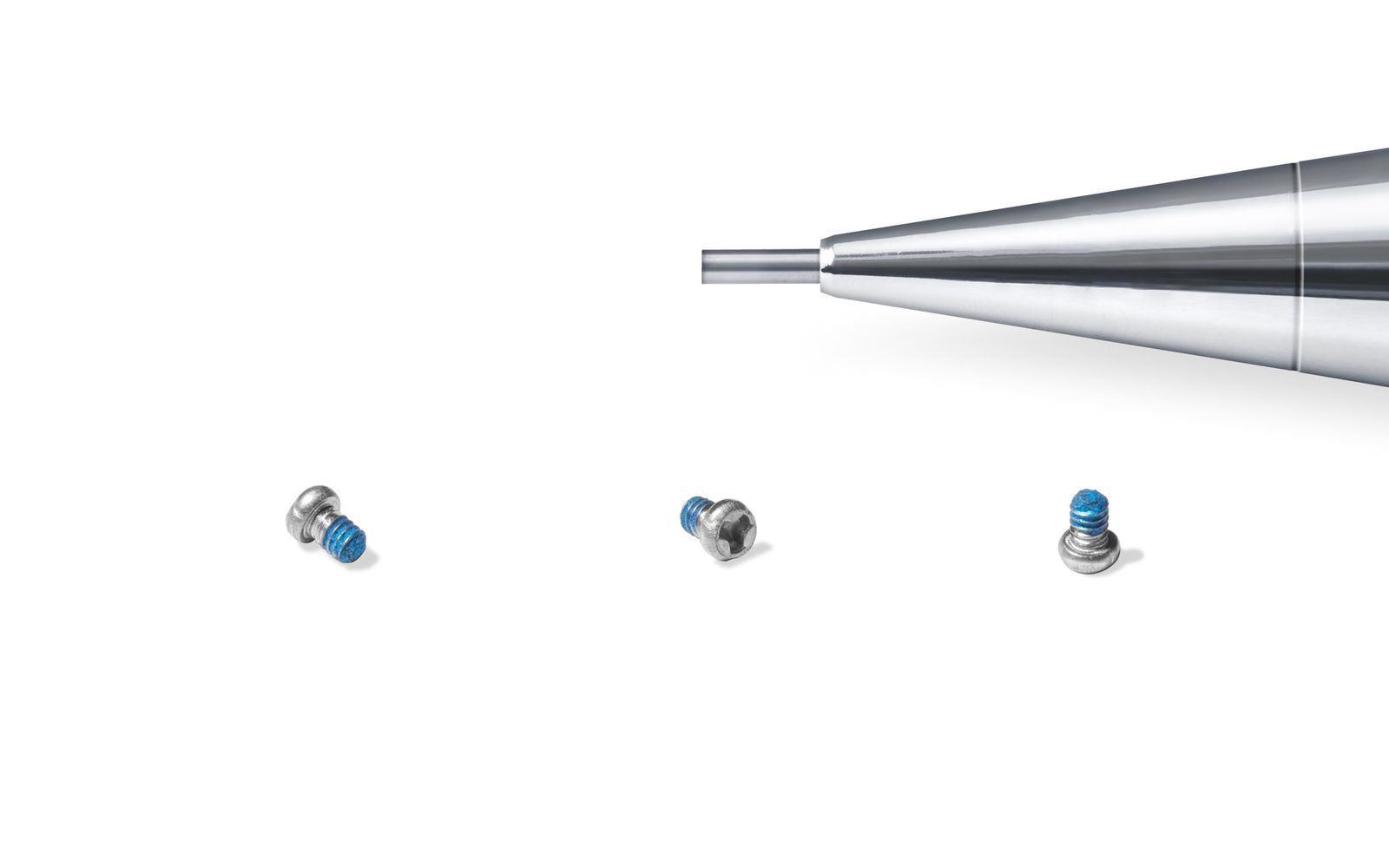
Screws with a factory-applied locking or sealing element, so the assembly line receives a ready-to-drive fastener with no liquid adhesive and no cure time.
Micro Screws · M0.8 – M6
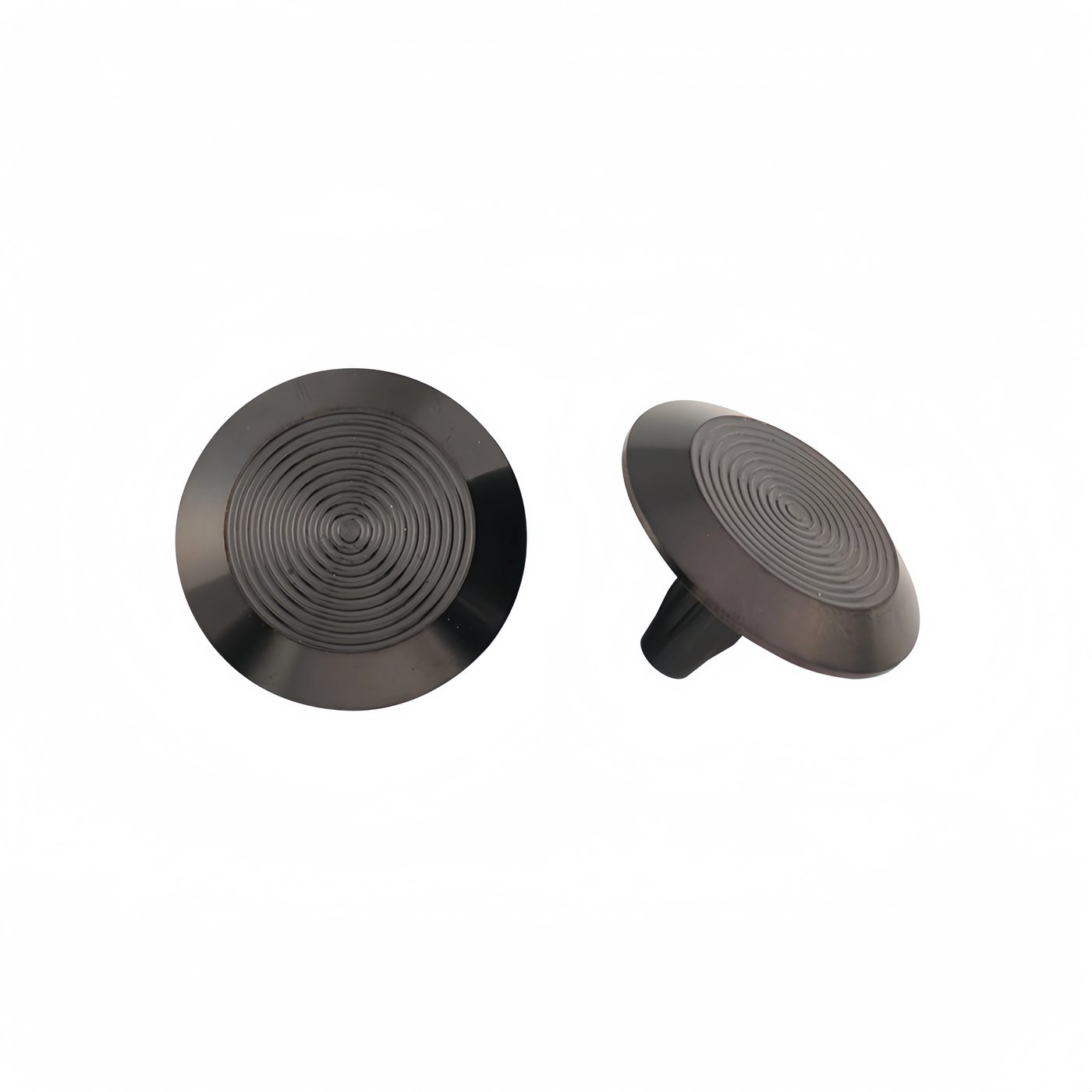
Physical vapour deposition coatings that add 2–5 µm of hard ceramic film — for driver wear resistance, low friction and decorative black or gold finishes.
Micro Screws · M0.5 – M6
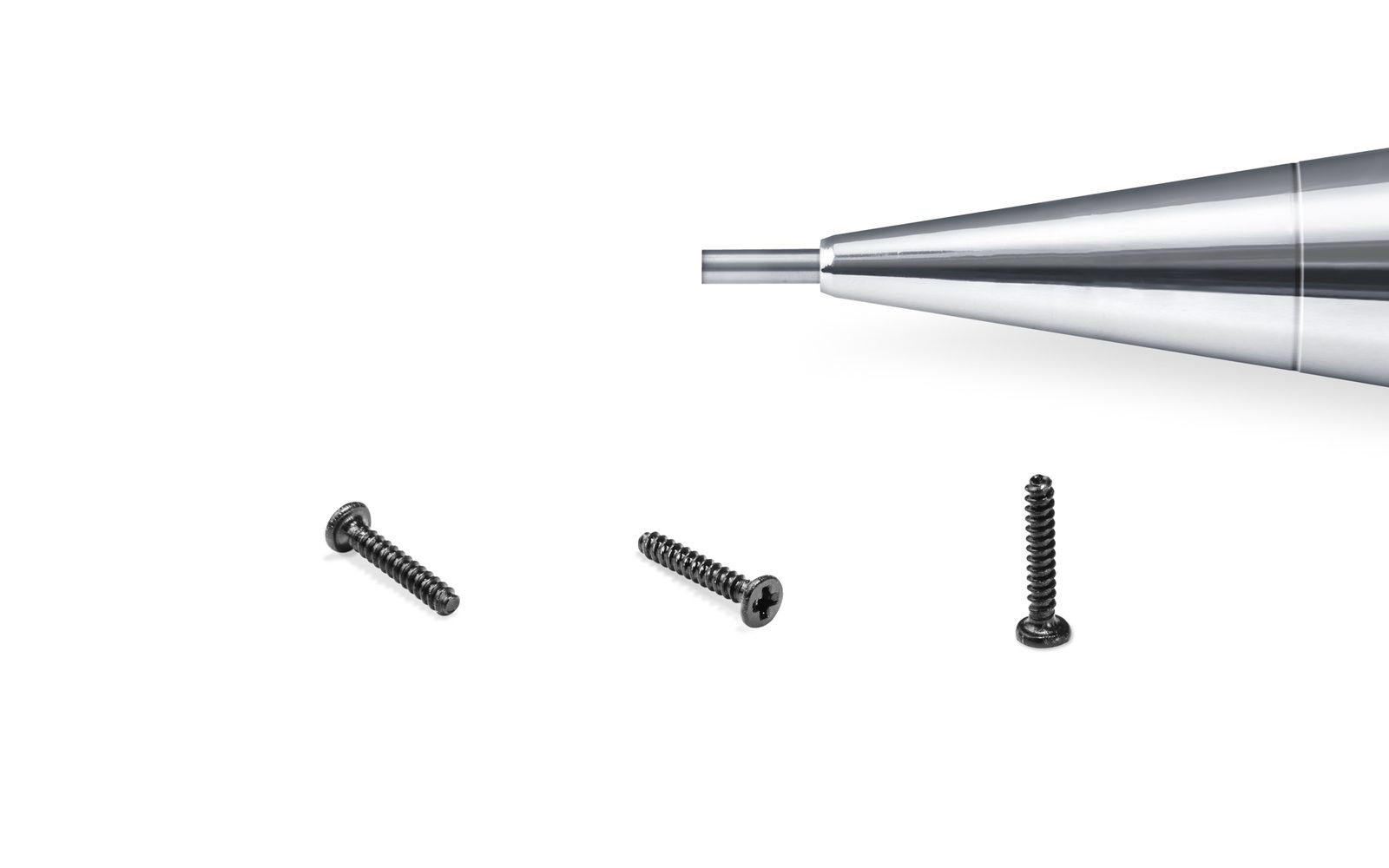
Precision machine screws from M0.5 to M6 with rolled Class 6g threads, tight head concentricity and clean drive recesses for automated driving.
Design notes
These decisions are cheap at concept stage and expensive after tooling is cut.
01
A finger joint will be opened during development many times. Use nylon patch during prototyping and encapsulated adhesive for production, and document the change.
02
Much of the backlash blamed on gears is actually joint clearance. A ground shoulder pin with the right fit removes more error than a higher-precision gearbox.
03
A 0.3 g saving at the fingertip is worth more than 3 g at the palm because it reduces the torque every upstream actuator must supply.
04
A million cycles is a week of continuous operation in some labs and a year in others. Specify the number and the direction of loading, not just "long life".
Joint review
A drawing gives us geometry. The mating material, the service cycles and the cleaning chemistry decide whether the joint works. Send all three and we will review the whole stack.
Questions
Answers to the questions that come up most in this industry.
Related industries
The same fastener discipline applies across these industries, with different documentation and validation requirements.
Industry
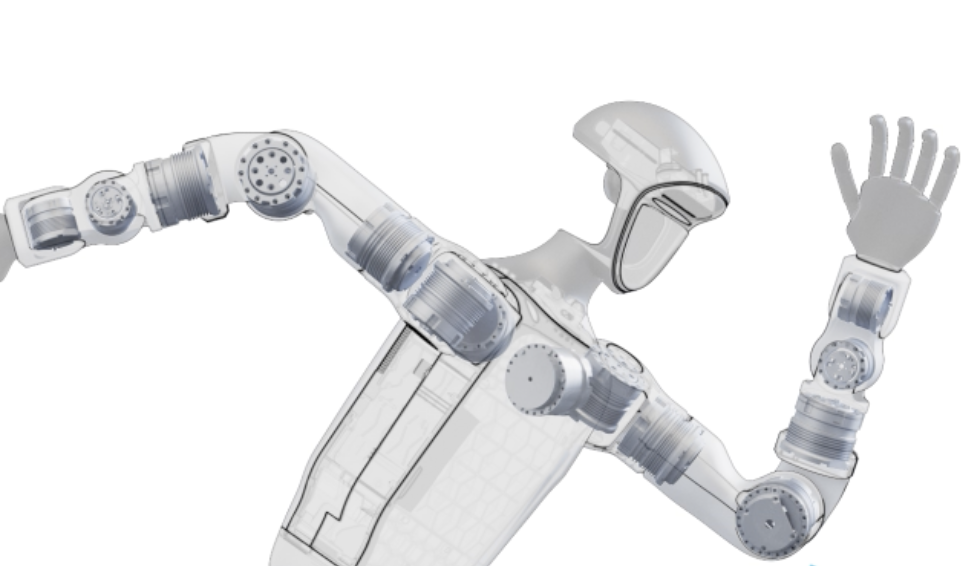
M2–M5 fasteners and precision pins for robot joint modules — clamping reducers, retaining motor rotors and locating encoder rings.
Industry
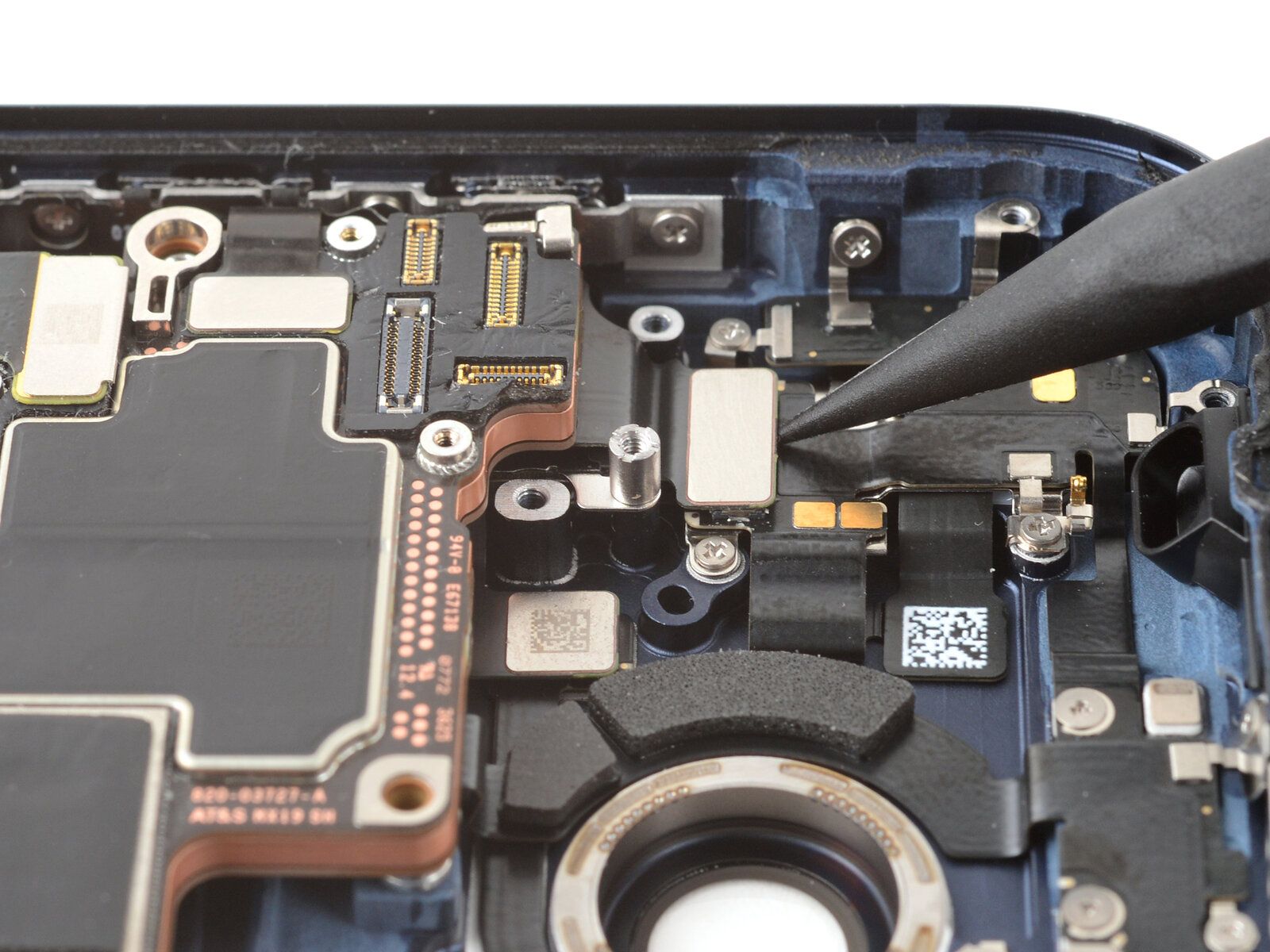
The core of our business: M0.5–M3 fasteners for smartphone modules, notebooks, wearables and PCB assemblies, with the finish control that cosmetic electronics demand.
Industry
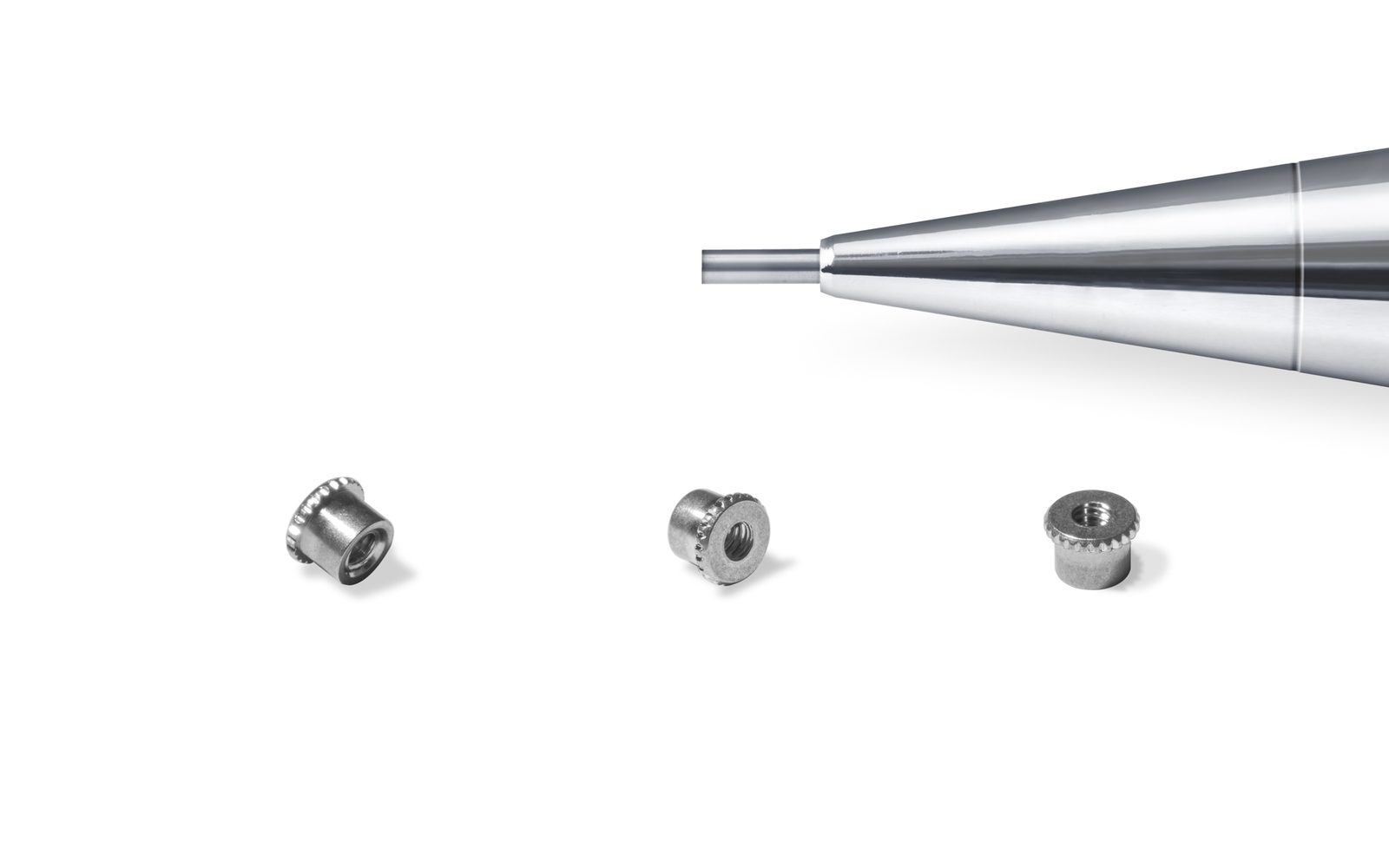
Stainless and titanium micro fasteners for surgical instruments, diagnostic equipment and analytical instruments — cleanable, non-magnetic and documented.
Industry
Automotive-grade micro fasteners with PPAP, traceability and vibration validation for control units, sensor housings and battery management systems.
From a single prototype joint to a PPAP production launch, the same team reviews the drawing and the assembly context.