Capability
Surface Finishing
Zinc, nickel, passivation and PVD in one plant
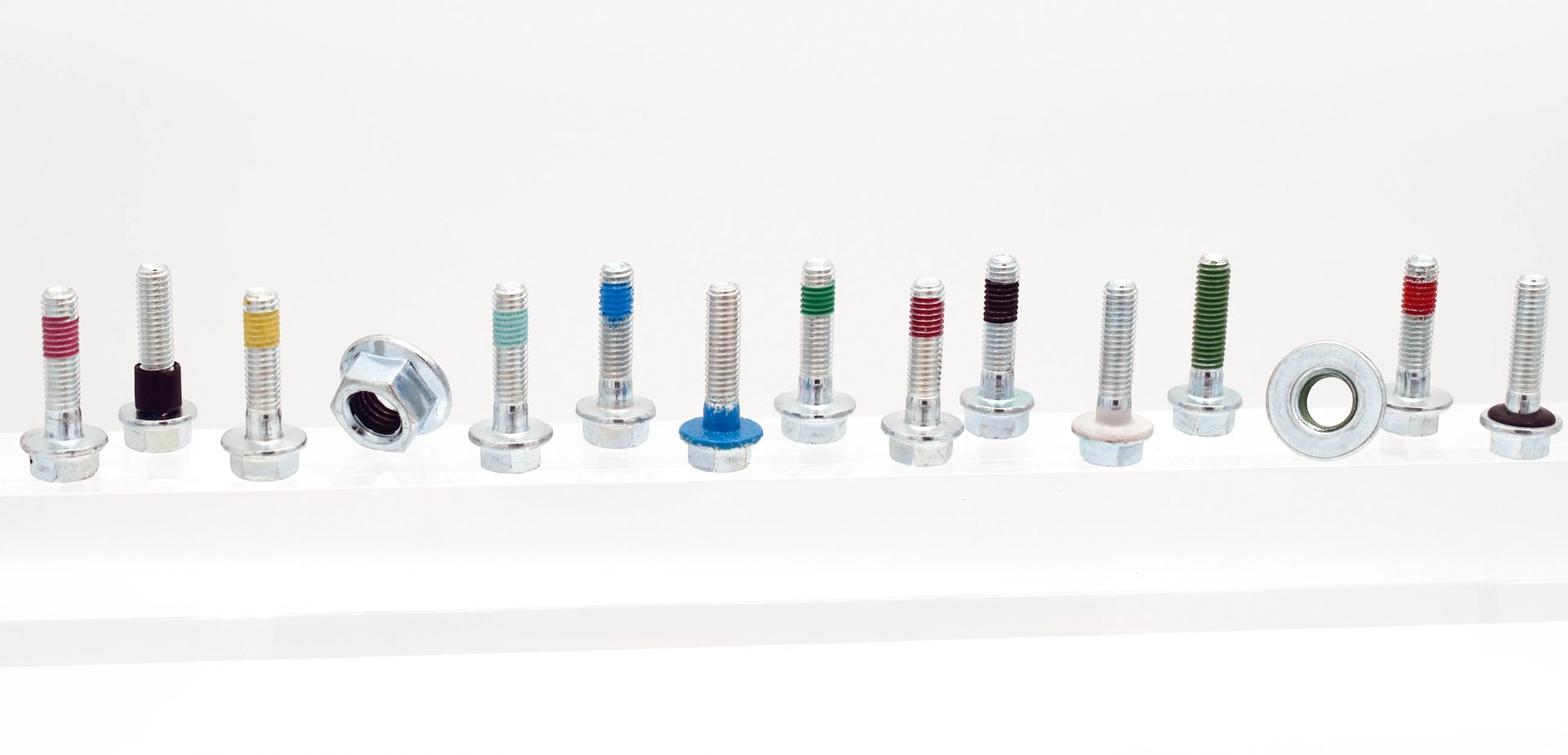 Surface Finishing · Bekasi plant
Process overview
Zinc, nickel, passivation and PVD in one plant
Finish is where a functional fastener becomes a product feature. The same screw can be a dull grey part inside a housing or a black decorative element on a visible surface, and the difference is a few micrometres of coating. But finish also carries the corrosion specification, the friction coefficient that determines torque-to-preload, and in some cases the electrical contact resistance.
We operate barrel plating for zinc and nickel, passivation and electropolishing for stainless, and PVD chambers for TiN, CrN, TiCN and DLC. Coating thickness is measured by X-ray fluorescence at multiple points including the thread root, where coverage is always thinnest and where salt spray failures actually begin.
Step by step
How the process runs
Each step has a defined control point. The sequence is not arbitrary — changing it changes the result.
Pre-treatment
Degreasing, pickling and activation to remove oil, oxide and scale so the coating adheres uniformly.
Barrel plating
Zinc, zinc-nickel or nickel deposited in rotating barrels with current and chemistry controlled per bath.
Post-treatment
Trivalent chromate, topcoat or sealer applied to enhance corrosion resistance and control friction.
Passivation
Stainless parts are passivated in nitric or citric acid to restore the chromium oxide layer after cutting and tumbling.
PVD coating
Parts are cleaned, ion etched and coated in a vacuum chamber with rotating fixtures for uniform coverage.
Baking
High-strength plated parts are baked to release hydrogen before or after post-treatment as the specification requires.
Inspection
Coating thickness by XRF, appearance against a master, adhesion and salt spray on a sampled basis.
Specification
Process window and capability
The numbers below define what the process can hold repeatably. They are not laboratory bests.
Zinc thickness
5 – 12 µm
Zinc-nickel thickness
8 – 15 µm, 12–15% Ni
Nickel thickness
3 – 8 µm
PVD thickness
2 – 5 µm
Salt spray, zinc trivalent
96 – 240 h
Salt spray, zinc-nickel
480 – 720 h
Salt spray, Dacromet
720 – 1,000 h
Passivation standard
ASTM A967 / ASTM A380
Friction coefficient
0.10 – 0.25 depending on system
Colour options
Clear, blue, black, gold, gunmetal, rainbow
Equipment
What the line is built on
Capacity figures are per machine and assume a standard part. Complex geometry reduces throughput.
| Equipment | Specification |
|---|---|
| Barrel plating lines | Zinc, zinc-nickel, nickel; 5 – 20 kg barrels |
| Passivation line | Nitric and citric, ASTM A967 / A380 |
| PVD chambers | Multi-arc and magnetron sputtering, 2 – 5 µm |
| XRF thickness gauge | Multi-point, including thread root |
| Salt spray chambers | Neutral 5% NaCl, ASTM B117 |
| Adhesion test | Rockwell C indentation for PVD |
Process control
What is checked, and when
A control that is not recorded is not a control. Each item below generates a record linked to the lot code, retained for the programme duration.
01
Bath chemistry analysis daily
02
Coating thickness by XRF at head, shank and thread root
03
Appearance against retained master sample
04
Adhesion by tape or Rockwell indentation for PVD
05
Salt spray per ASTM B117 on sampled lots
06
Hydrogen embrittlement bake record for 10.9+
07
Friction coefficient by torque-tension test
08
RoHS / REACH declaration per finish
Questions
Surface Finishing FAQ
Practical questions from sourcing and engineering teams.
Why measure coating at the thread root?
Does coating change the thread fit?
Can I have a black finish that is not paint?
Do you passivate to ASTM A967?
Related capabilities
What happens before and after
These processes are usually sequenced with the one above.
Capability
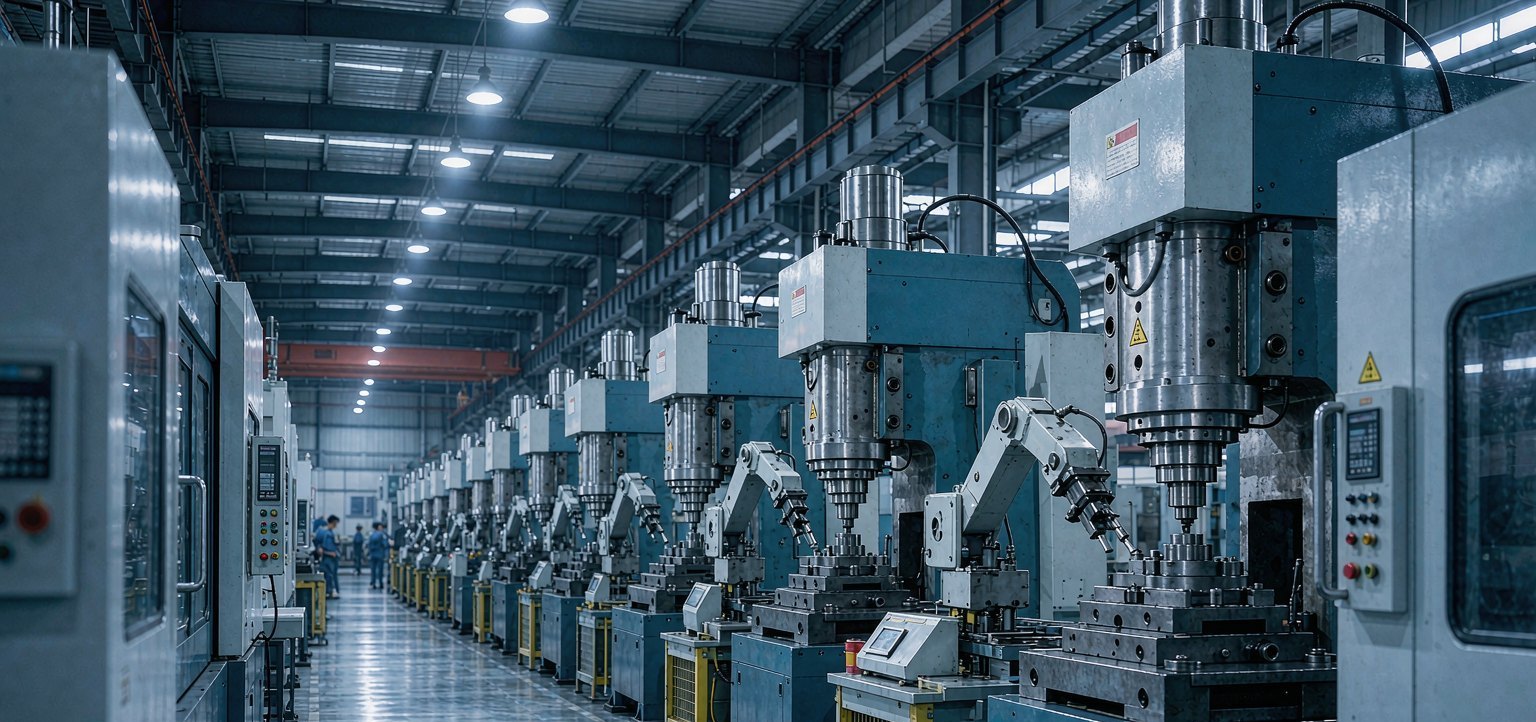
Cold Forging
Two-, three- and four-station cold heading machines form micro screw blanks from wire without cutting, preserving grain flow through the head and shank.
Capability
Heat Treatment
Controlled atmosphere heat treatment for case depth, core hardness and hydrogen embrittlement relief — with batch records for every lot.
Capability
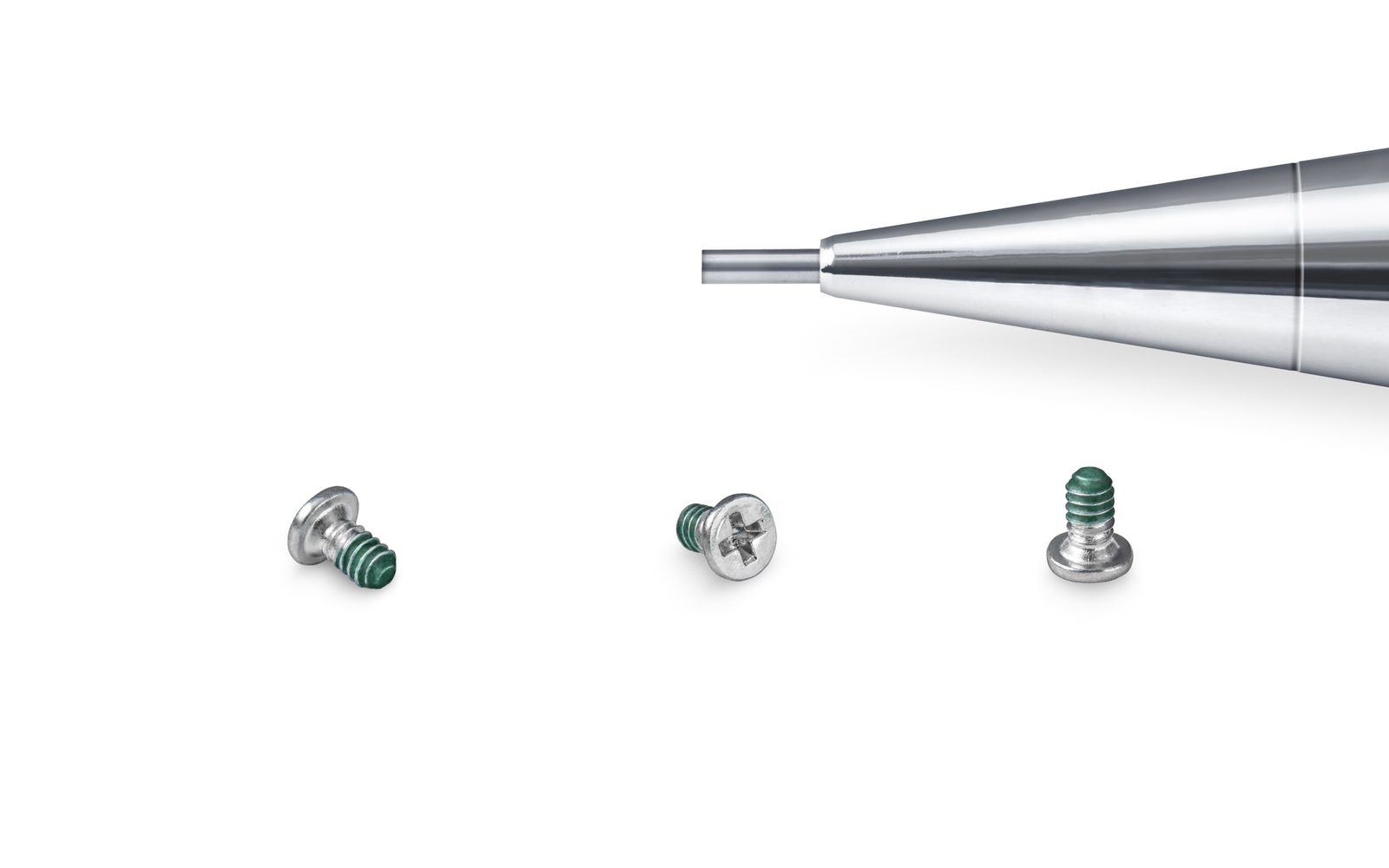
Precoating & Patch
Automated application of locking and sealing elements at a controlled thread position, with break-loose torque verified per batch.
Capability
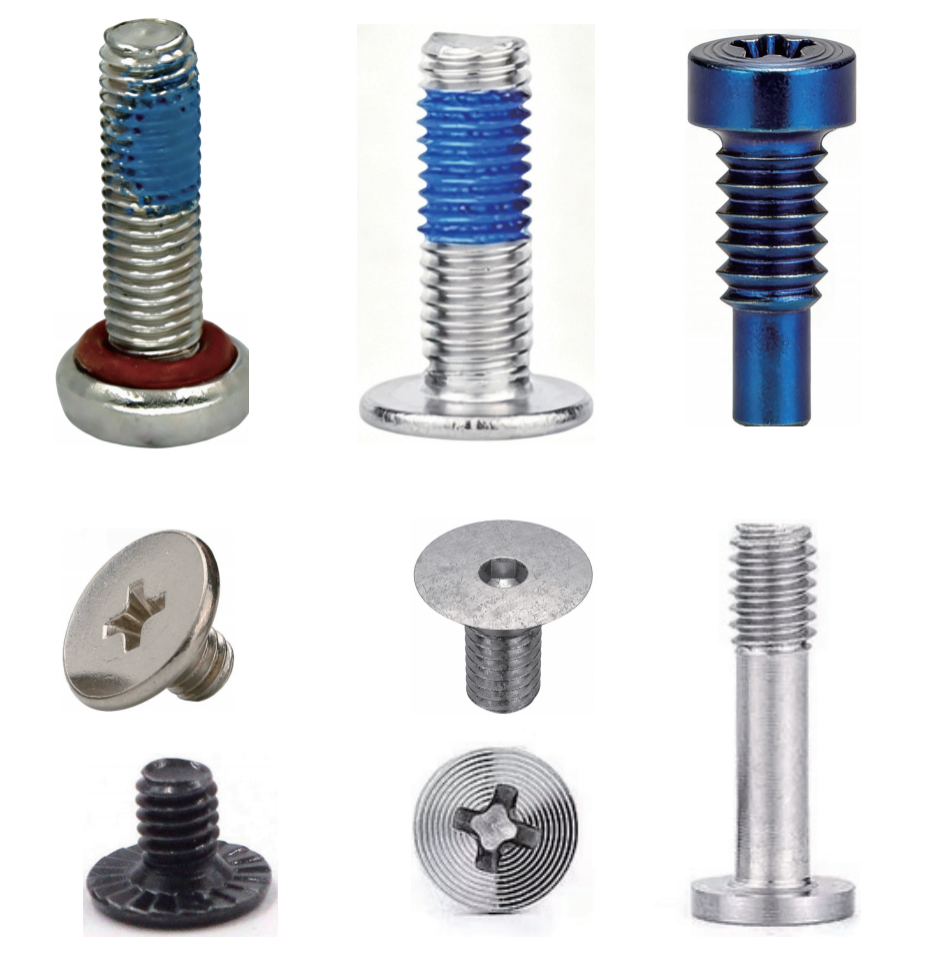
Quality Laboratory
An in-house laboratory covering dimensional metrology, hardness, torque, salt spray and material verification — so results are not outsourced and delayed.
Need surface finishing for your part?
Send the drawing and the annual volume. We will confirm feasibility, tolerance and lead time in the quotation.