Manufacturing in Bekasi, West Java — Indonesia ISO 9001 · IATF 16949 · ISO 14001 · ISO 45001

Industry

Medical & Analytical Devices

Cleanable, non-magnetic and traceable fasteners for instruments

SUS316LNon-magneticCleanableDocumented
Precision stainless components for medical device assemblies Medical & Analytical Devices

Why it matters

Cleanable, non-magnetic and traceable fasteners for instruments

Medical and analytical devices combine two requirements that are individually common but together restrictive: the fastener must be corrosion resistant and cleanable, and it must not disturb a magnetic or optical field. An MRI surround cannot contain a ferromagnetic screw; an electron microscope cannot tolerate outgassing from a lubricant; a surgical instrument must survive repeated autoclave cycles without seizing.

We supply SUS316L, titanium and PEEK-compatible fasteners with passivation, low-outgassing finishes and optional non-magnetic certification. For instruments that are repeatedly sterilised, we recommend a dry-film lubricant or a PVD coating rather than oil, and we can supply cleanliness and outgassing data for the finished part.

SUS316L

Standard medical stainless

<1.02

Relative permeability available

134 °C

Autoclave cycle temperature

ASTM E595

Outgassing testing available

Field problems

What actually goes wrong in this industry

These are the failure modes we see most often, and the engineering response that addresses each one. Problems are stated as they appear on the line, not as they appear in a textbook.

Failure mode and engineering response
Problem observed Engineering response
A fastener becomes magnetic after cold heading and disturbs an MRI field. SUS316L with solution annealing and permeability testing, or titanium, with certification per lot.
Autoclave cycles cause stainless screws to seize in stainless threads. Passivation plus a dry-film or PVD lubricant, with galling tested over repeated autoclave cycles.
Lubricant outgasses and contaminates an optical path. Solvent-free dry-film coating or DLC, with ASTM E595 outgassing data supplied.
Debris trapped in a drive recess cannot be cleaned. Open recess geometry and electropolished surfaces, with cleanability validated by the device manufacturer.
A notified body audit requires material and process traceability. Lot traceability to melt number with material certificates and process records.
A tiny instrument mechanism needs an M0.8 screw in titanium. Grade 5 titanium micro screws from M0.8, with matching titanium or polymer bushings to avoid galvanic couple.

Specification basis

Typical requirements for this industry

A starting specification, not a fixed menu. Most programmes adjust one or two of these after the first joint review.

Diameter

M0.8 – M5.0

Material

SUS316L, SUS304, Ti-6Al-4V, PEEK

Magnetic

Non-magnetic grades, permeability < 1.02

Finish

Passivation, electropolish, DLC, dry-film

Sterilisation

Autoclave, ETO, gamma compatibility

Cleanliness

Degreased, particle-count data available

Outgassing

ASTM E595 where optics are present

Traceability

Melt number, material cert, process record

Recommended products

Families we specify most in this industry

Chosen for the tolerance, finish and locking requirements typical of the assemblies described above.

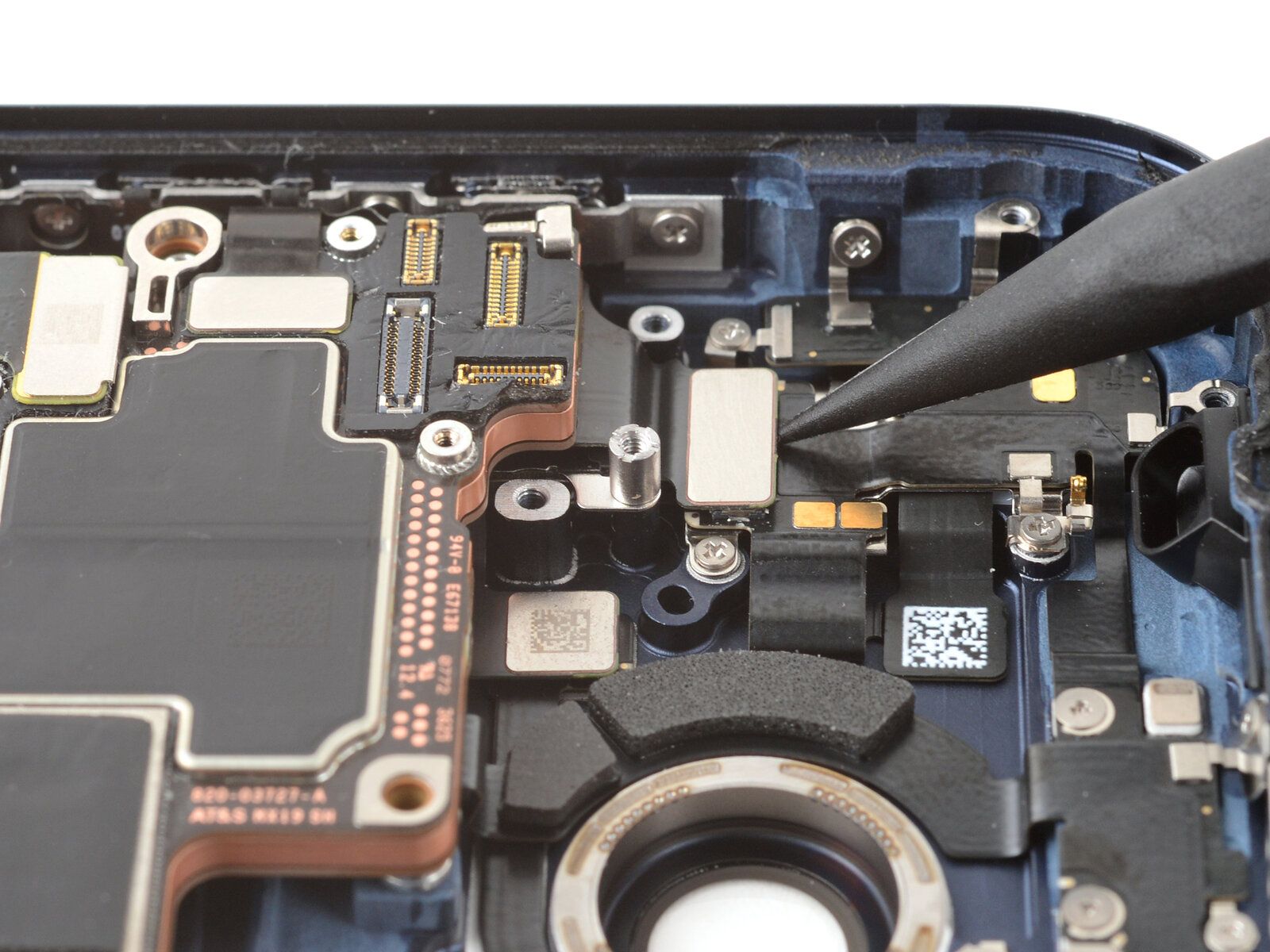
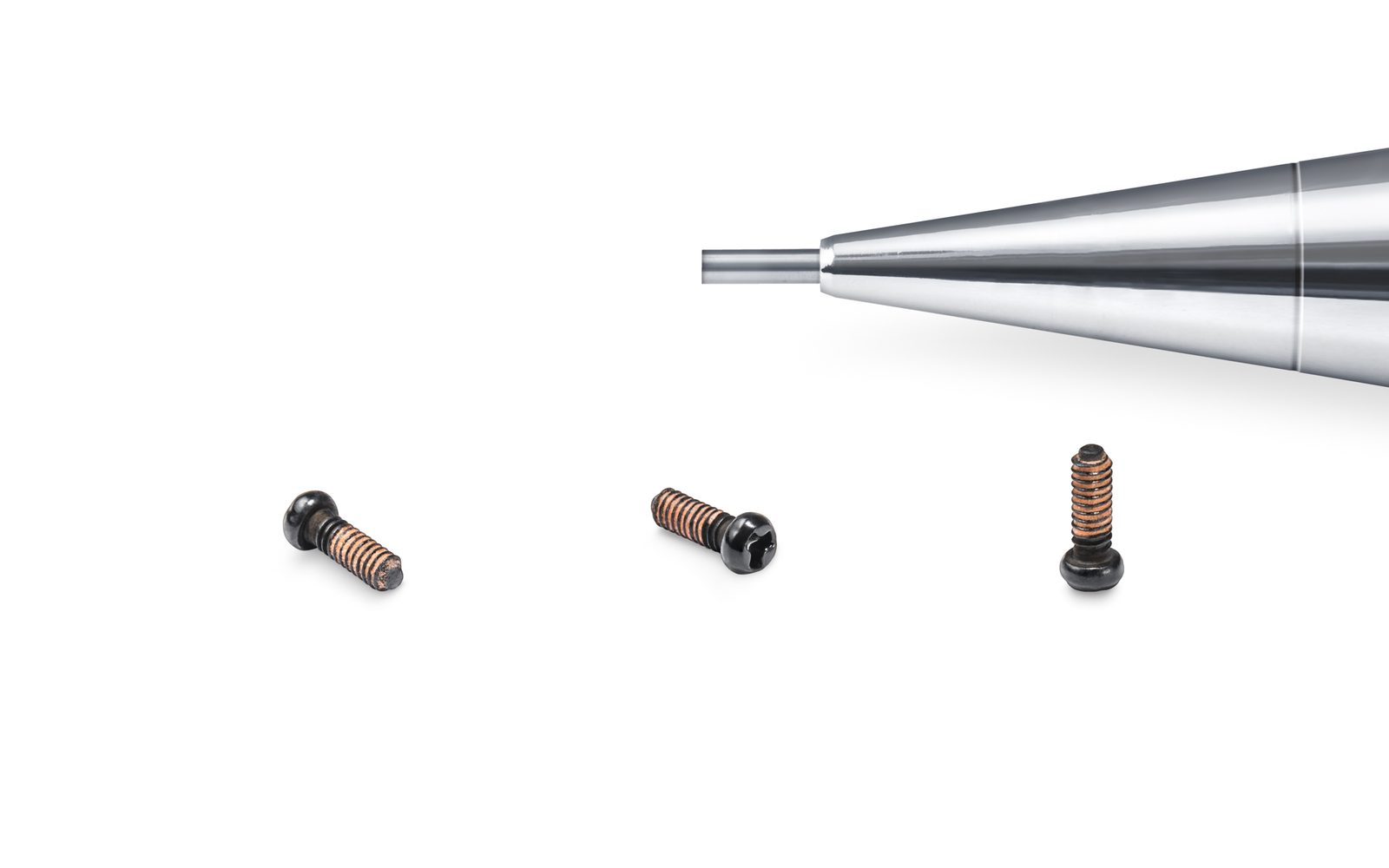
M0.8 machine thread micro screws shown beside a pencil tip for scale

Micro Screws · M0.5 – M6

Machine Thread Micro Screws

Precision machine screws from M0.5 to M6 with rolled Class 6g threads, tight head concentricity and clean drive recesses for automated driving.

Class 6g threadRolled threadStainless / carbon steel
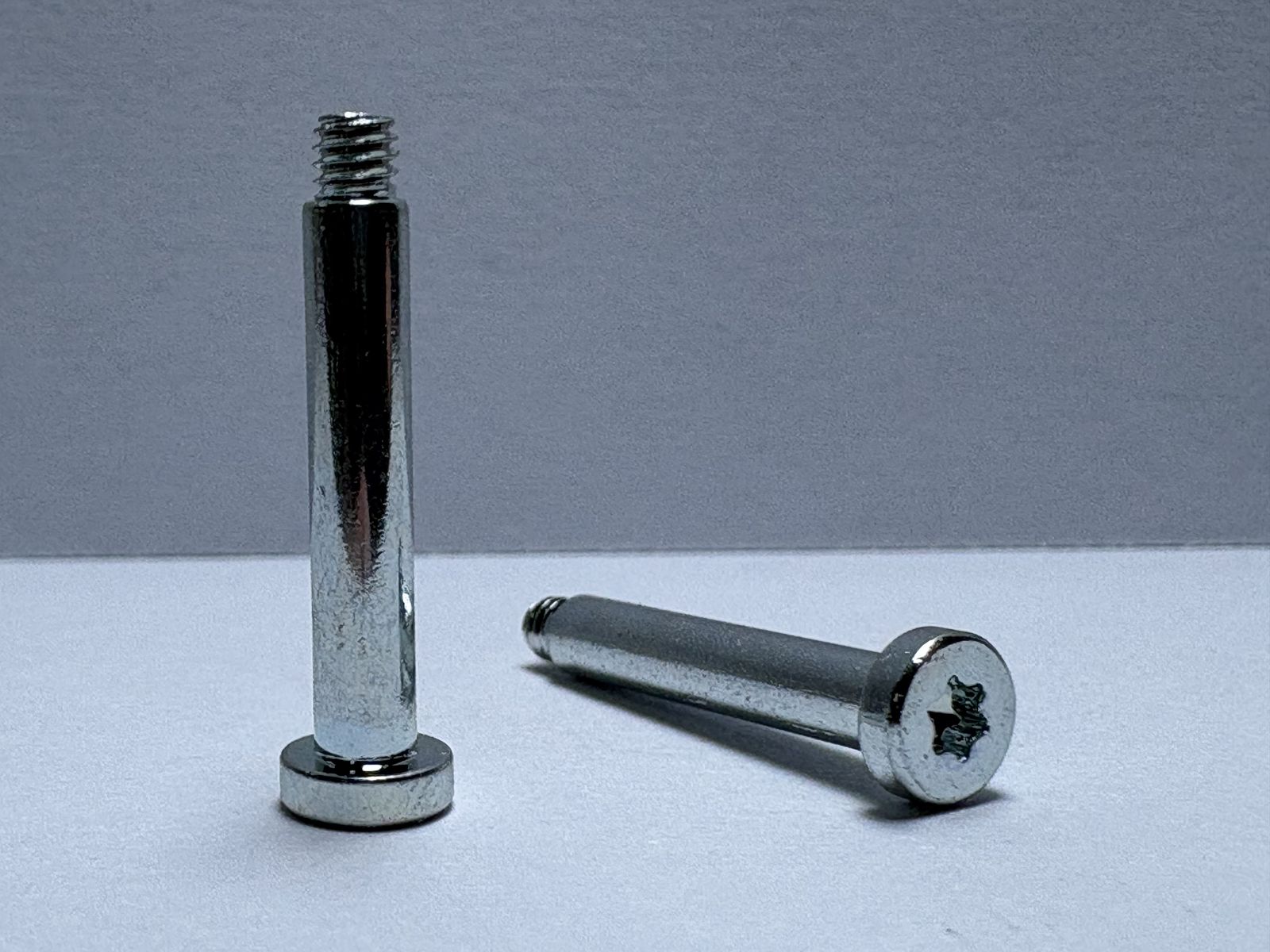
Chrome-plated shoulder screws with precision ground shanks

Precision Components · Ø1.0 – Ø10 mm

Shoulder Screws & Pins

Precision shoulder screws, dowel pins and stepped pins ground to h9 for pivot, locating and alignment duties in miniature mechanisms.

h9 ground shankPivot & locatingStainless / alloy
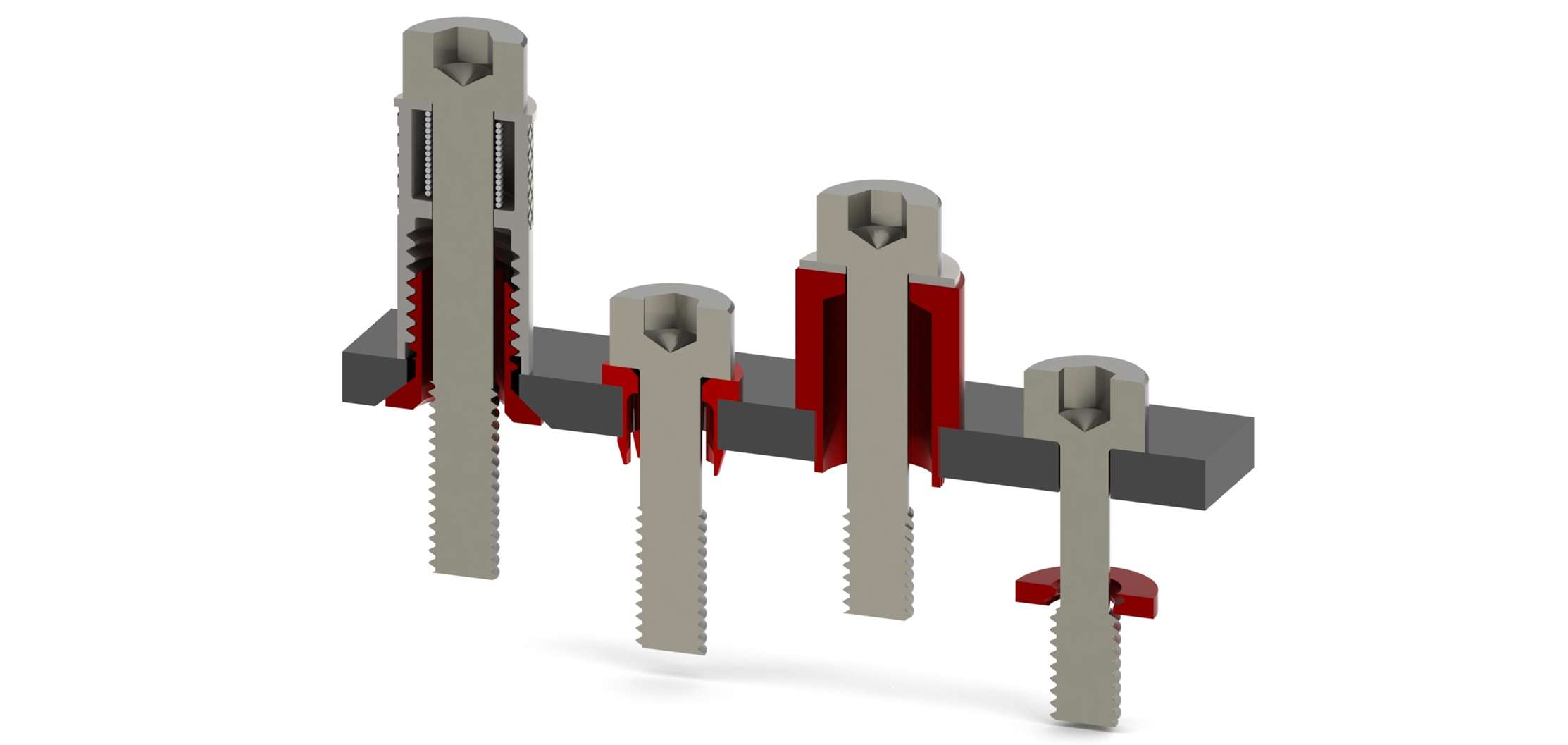
Section view of a captive screw assembly showing the spring and retaining collar

Precision Components · M2 – M6

Captive Screws

Captive panel screws that remain attached to the cover when opened — eliminating lost fasteners in field service, medical and rack-mount equipment.

Spring-loadedLost-fastener proofTool or hand
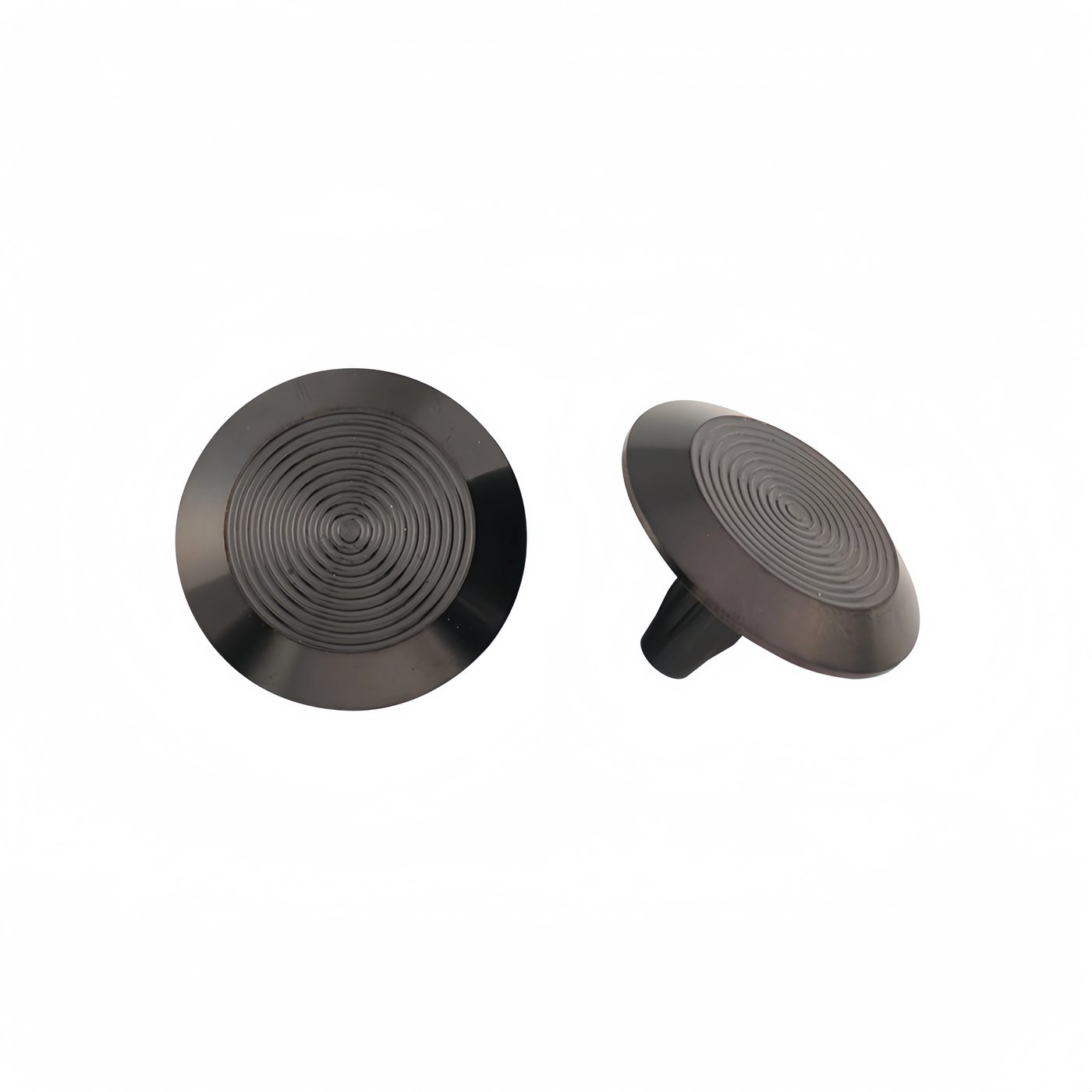
PVD coated screws with a CD-pattern rainbow finish

Micro Screws · M0.8 – M6

PVD Coated Screws

Physical vapour deposition coatings that add 2–5 µm of hard ceramic film — for driver wear resistance, low friction and decorative black or gold finishes.

2–5 µm filmTiN · CrN · DLCHV 1800+

Design notes

Four things to get right early

These decisions are cheap at concept stage and expensive after tooling is cut.

01

Cold working makes stainless magnetic

Austenitic stainless can become slightly magnetic after heading. If the device is magnetic-sensitive, specify solution annealing and permeability testing rather than assuming the grade is enough.

02

Galling is the hidden failure

Stainless-on-stainless threads seize after repeated sterilisation. A dry-film lubricant or a dissimilar material pairing solves it more reliably than tightening less.

03

Cleanability is geometry

A deep, narrow drive recess cannot be cleaned reliably. Where cleanliness is critical, choose an open drive and avoid blind holes.

04

Document the finish, not just the material

Two SUS316L screws with different passivation can behave very differently in corrosion testing. Specify the passivation standard and the acceptance test.

Joint review

Send us the assembly, not just the screw

A drawing gives us geometry. The mating material, the service cycles and the cleaning chemistry decide whether the joint works. Send all three and we will review the whole stack.

  • Tolerance stack and fit check
  • Torque and preload recommendation
  • Material and finish selection
  • Locking method and service strategy

Questions

Medical fastening FAQ

Answers to the questions that come up most in this industry.

Have a specific joint? Send the section drawing and the service condition. We will reply with a recommended fastener and the reasoning behind it.
Can you certify non-magnetic fasteners?
Yes. We test relative permeability and can supply a certificate per lot. For critical applications we recommend solution-annealed SUS316L or Grade 5 titanium.
Do you supply material certificates?
Yes, EN 10204 3.1 certificates with melt number traceability are standard for medical orders.
What finish prevents galling in autoclave cycles?
A dry-film PTFE or MoS₂ coating, or DLC. Both avoid the liquid lubricant that would outgas or wash out during sterilisation. We can test to your cycle count.
Do you support small development builds?
Yes. Instrument development often needs 50–500 pieces before a design freeze. We support those quantities from standard tooling with full documentation.

Engineering support for medical programmes

From a single prototype joint to a PPAP production launch, the same team reviews the drawing and the assembly context.