Precision Components · M1 – M4
Standoffs & Spacers
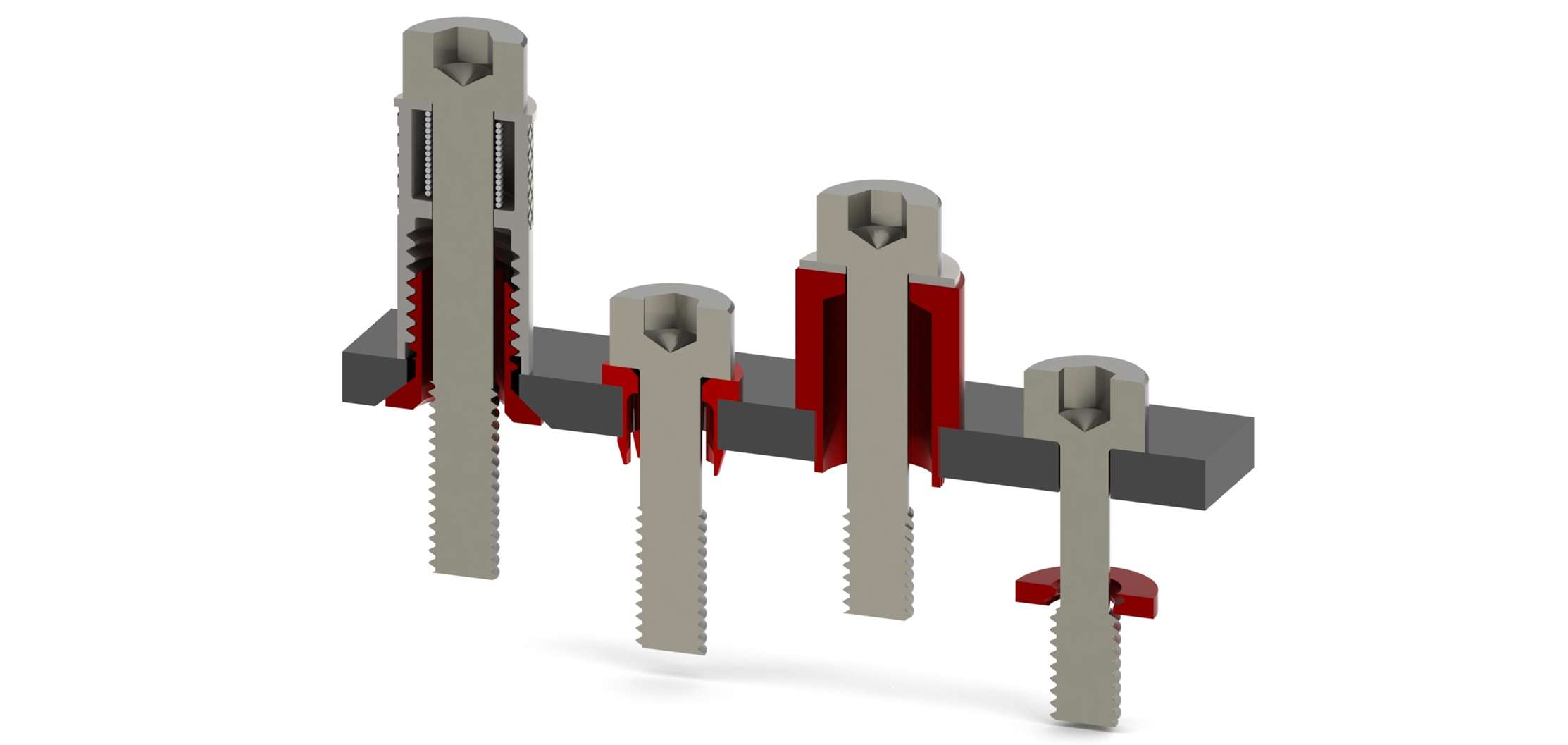
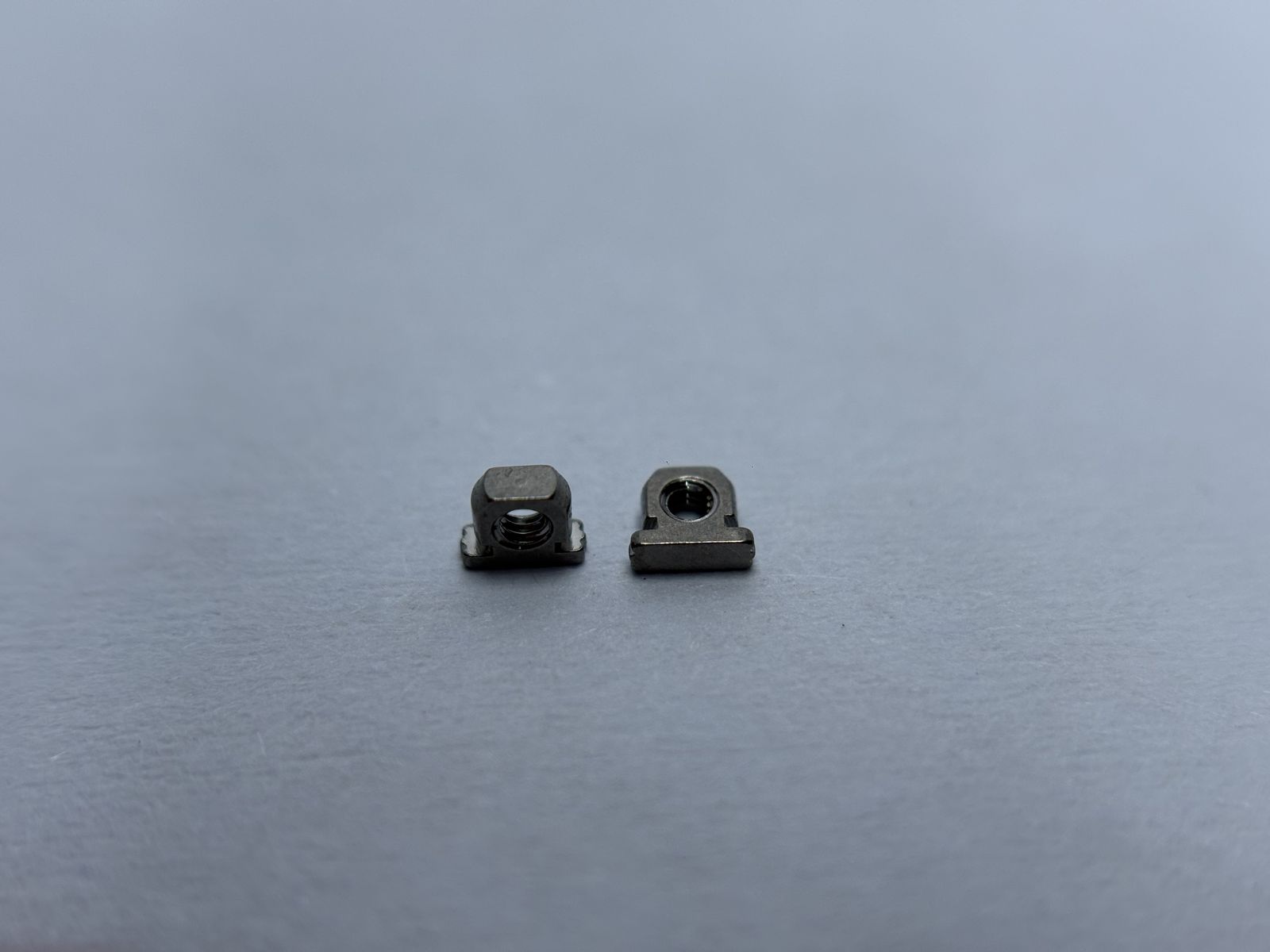
Male-female and female-female standoffs from M1 to M4, plus plain spacers, in brass, stainless and aluminium — with length tolerances that keep board stacks parallel.
Industry
Board hardware, chassis fasteners and thermal-stack screws
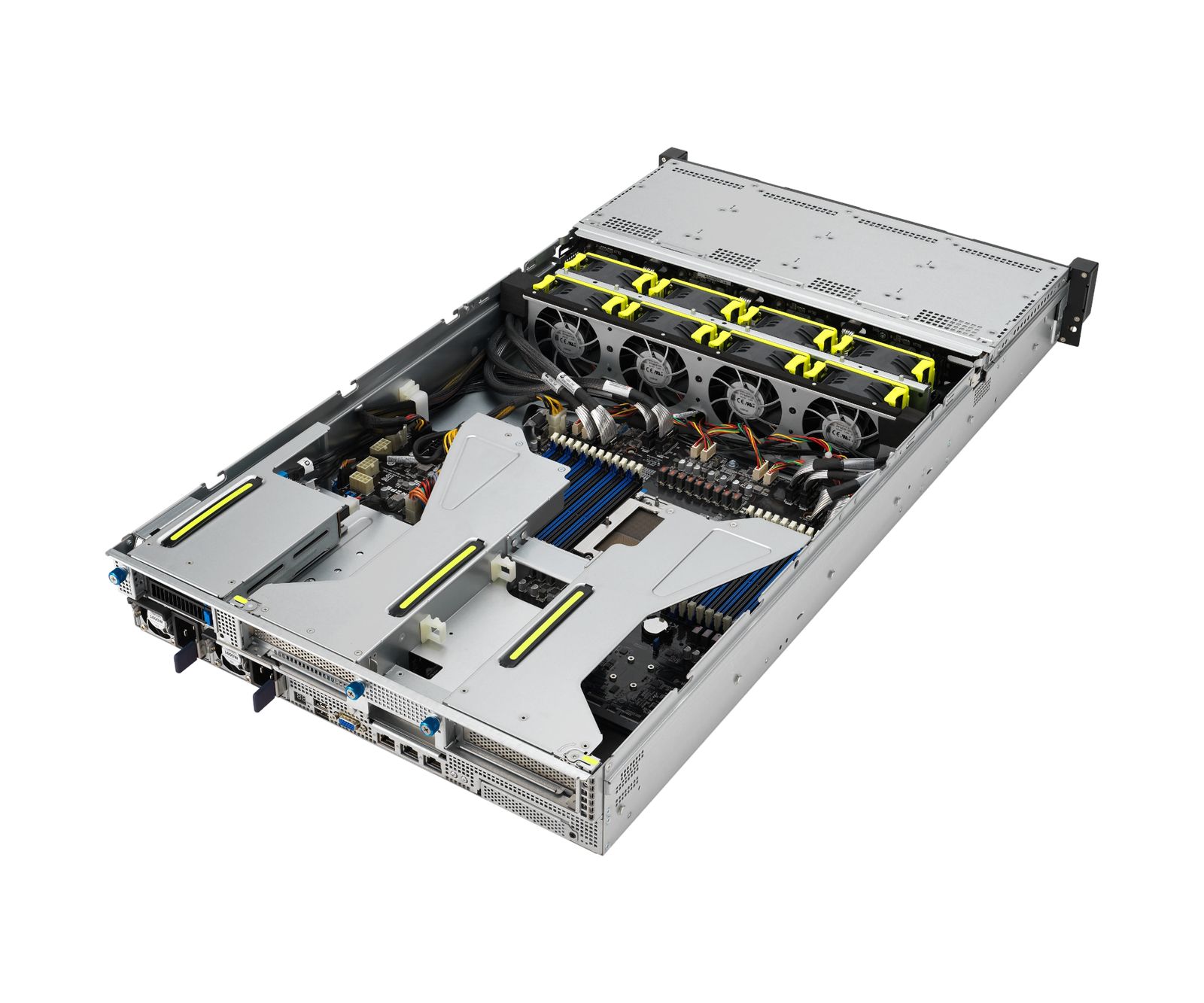
PCB, Server & Data Center Why it matters
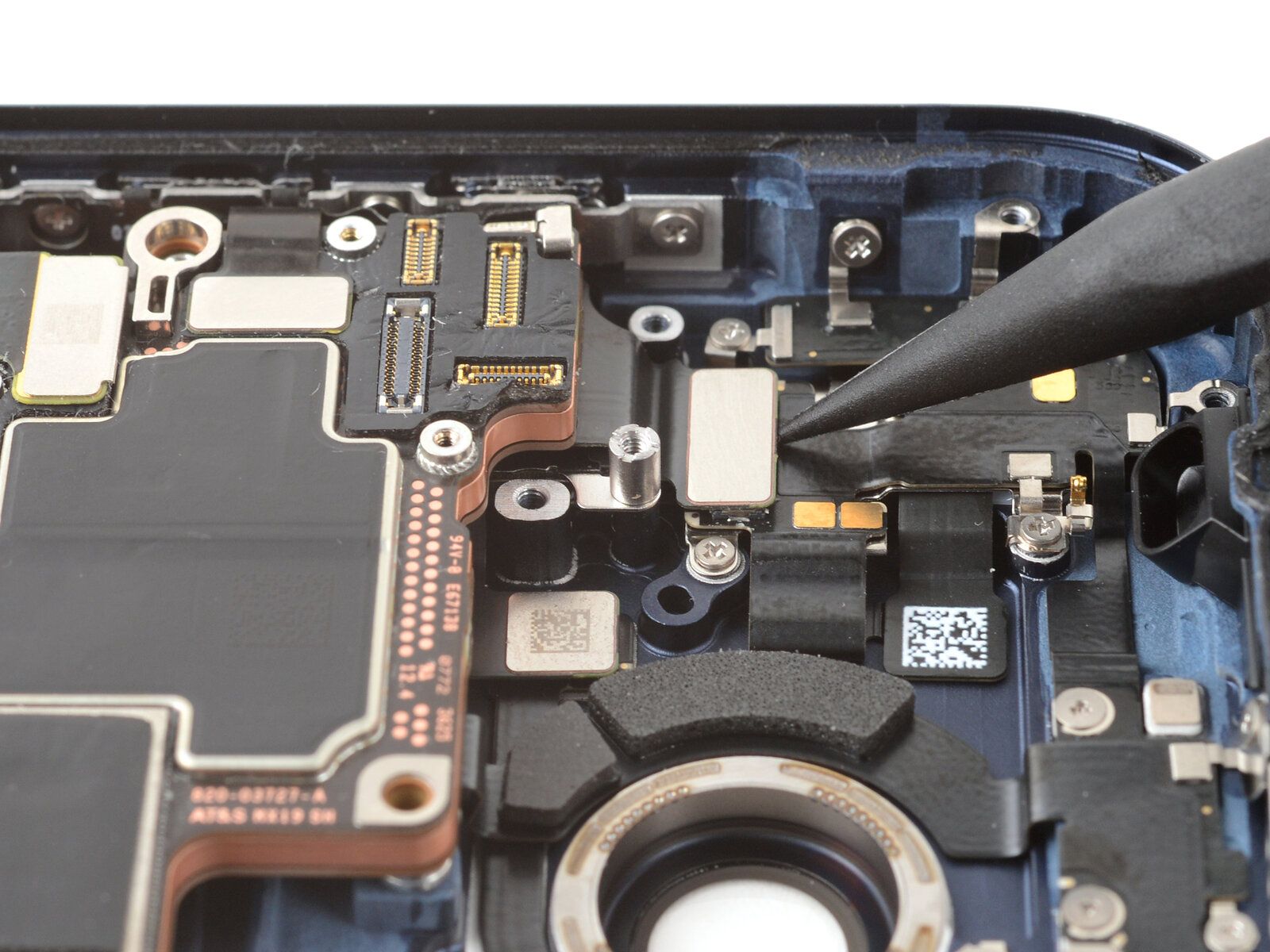
A modern accelerator card carries a heatsink weighing more than a kilogram, held to a board by four or eight screws. Those screws must maintain clamp load through thermal cycling from 20 °C to 80 °C, shipping vibration and repeated service. If preload drops, thermal interface material performance drops with it — and the card throttles.
We supply board standoffs, chassis screws, captive panel fasteners and high-strength M3–M4 screws for thermal stacks. For vibration-critical positions we recommend precoated screws with encapsulated adhesive, and for serviceable panels we supply captive screws so a technician cannot drop a fastener onto a live board.
M2 – M4
Board and chassis range
±0.05
Standoff length tolerance (mm)
12.9
Property class available
5,000
Captive screw cycle life
Field problems
These are the failure modes we see most often, and the engineering response that addresses each one. Problems are stated as they appear on the line, not as they appear in a textbook.
| Problem observed | Engineering response |
|---|---|
| Heatsink clamp load decays after thermal cycling and the GPU throttles. | High-strength 10.9 / 12.9 screws with controlled friction and pre-applied adhesive, tested through thermal cycles. |
| Board standoffs differ in length and the board tilts, stressing a fine-pitch connector. | Length held at ±0.05 mm and faces square to the thread within 0.03 mm, packed as a matched set where required. |
| A service technician drops a screw into a live chassis. | Captive panel screws retained in the cover, eliminating loose fasteners during field service. |
| Shipping vibration loosens chassis screws. | Nylon patch or encapsulated adhesive specified to the vibration profile, with break-loose torque verified per lot. |
| A 1U chassis has only 3 mm of vertical space for the fastener stack. | Low-profile heads and thin-head captive screws, with the stack dimensioned from the panel drawing. |
| Mixed metal joints corrode in humid data halls. | Zinc-nickel or stainless fasteners matched to the chassis material, with galvanic compatibility reviewed at design stage. |
Specification basis
A starting specification, not a fixed menu. Most programmes adjust one or two of these after the first joint review.
Diameter
M2.0 – M4.0, M3.0 dominant
Property class
8.8, 10.9, 12.9, A2-70, A4-80
Standoff tolerance
±0.05 mm length, 0.03 mm face squareness
Finish
Zinc-nickel, nickel, black oxide, passivation
Locking
Nylon patch, encapsulated adhesive
Captive
Spring-loaded and knurled panel fasteners
Testing
Vibration, thermal cycling, salt spray
Documentation
Material cert, torque spec, RoHS / REACH
Recommended products
Chosen for the tolerance, finish and locking requirements typical of the assemblies described above.
Precision Components · M1 – M4
Male-female and female-female standoffs from M1 to M4, plus plain spacers, in brass, stainless and aluminium — with length tolerances that keep board stacks parallel.
Precision Components · M2 – M6
Captive panel screws that remain attached to the cover when opened — eliminating lost fasteners in field service, medical and rack-mount equipment.
Micro Screws · M0.8 – M6
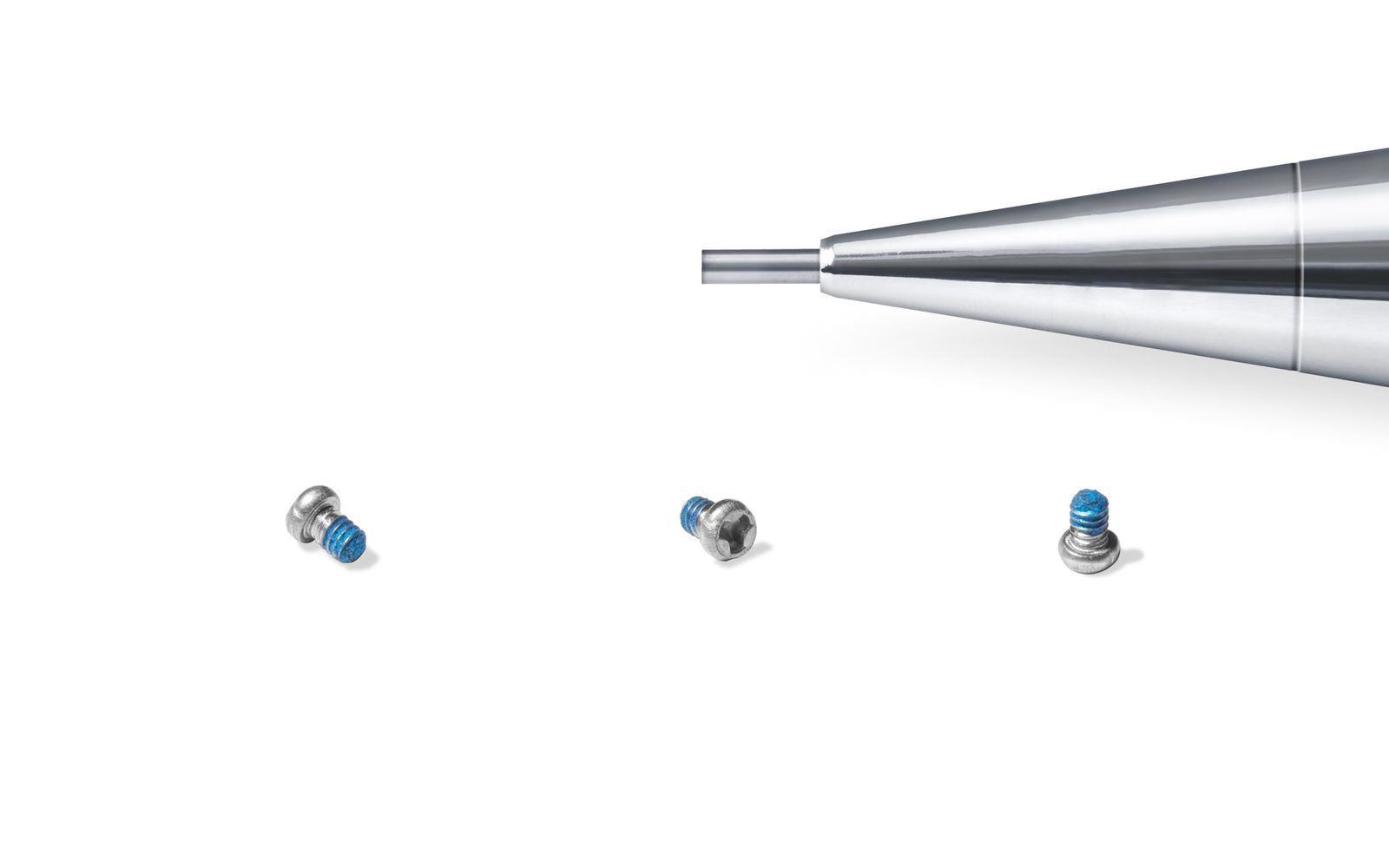
Screws with a factory-applied locking or sealing element, so the assembly line receives a ready-to-drive fastener with no liquid adhesive and no cure time.
Micro Screws · M0.5 – M6
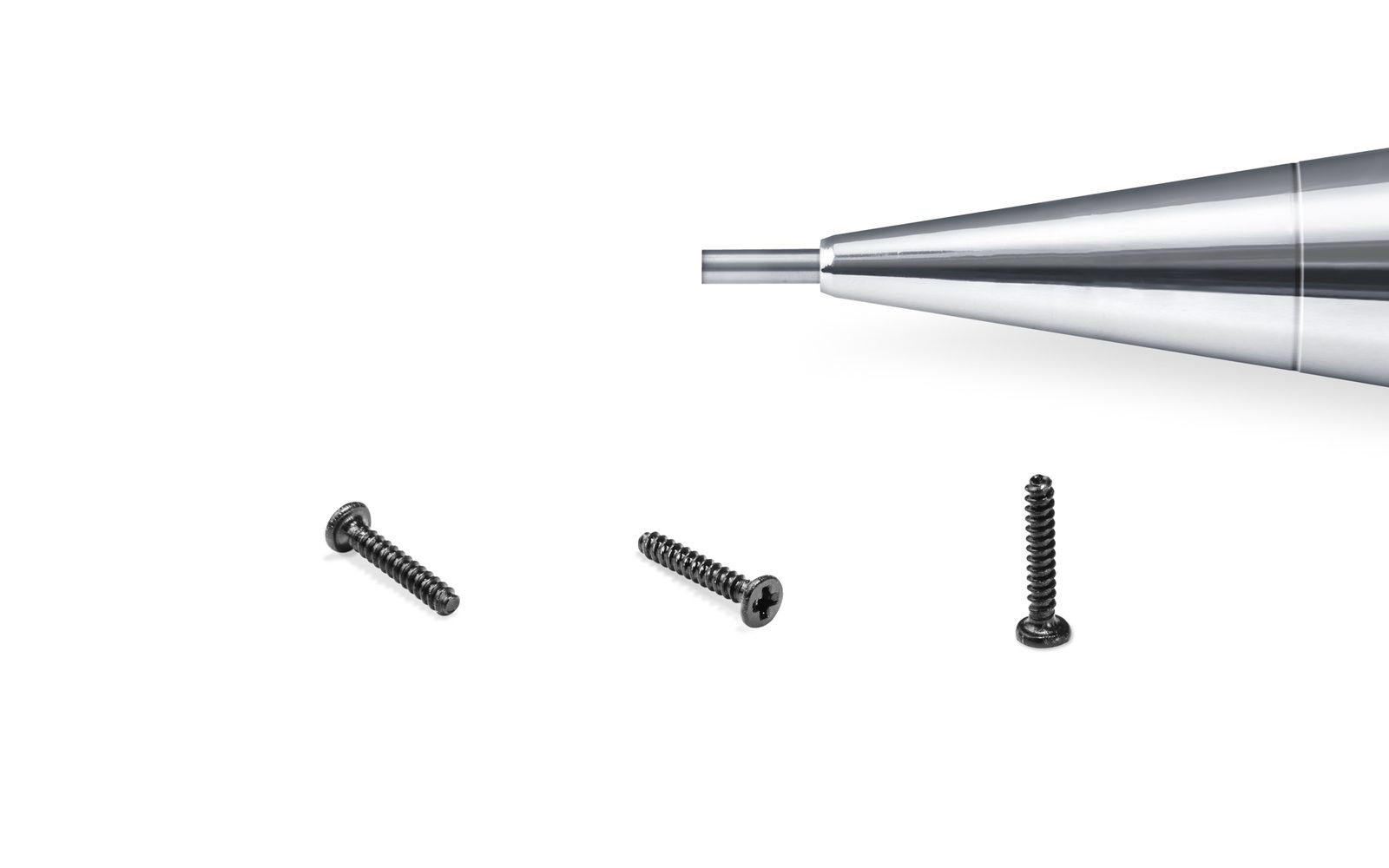
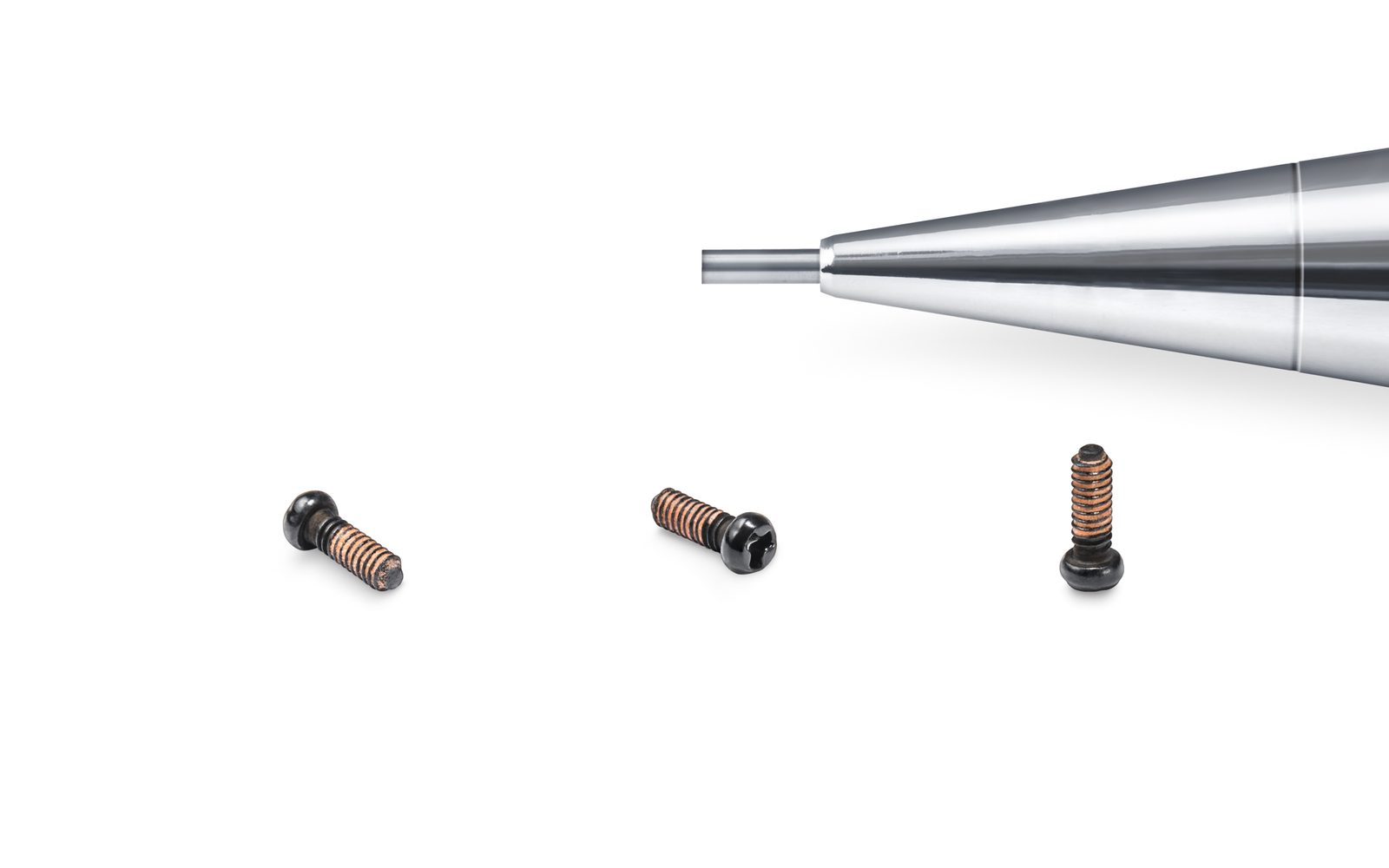
Precision machine screws from M0.5 to M6 with rolled Class 6g threads, tight head concentricity and clean drive recesses for automated driving.
Design notes
These decisions are cheap at concept stage and expensive after tooling is cut.
01
A 10.9 screw tightened to the correct preload outperforms a 12.9 screw tightened by feel. Specify torque and friction coefficient, not just the class.
02
A joint that holds torque at 20 °C may relax at 80 °C. If the assembly sees thermal cycles, ask for relaxation data at temperature, not just room-temperature break-loose.
03
Four standoffs at ±0.05 mm can create a 0.1 mm stack error. Above two boards, specify a matched set or a precision grade.
04
Give us the panel thickness, mating thread depth and required clearance. Retraction length is derived from those three numbers, not chosen from a catalogue.
Joint review
A drawing gives us geometry. The mating material, the service cycles and the cleaning chemistry decide whether the joint works. Send all three and we will review the whole stack.
Questions
Answers to the questions that come up most in this industry.
Related industries
The same fastener discipline applies across these industries, with different documentation and validation requirements.
Industry
The core of our business: M0.5–M3 fasteners for smartphone modules, notebooks, wearables and PCB assemblies, with the finish control that cosmetic electronics demand.
Industry
The smallest fasteners we make: M0.5–M1.6 screws, micro standoffs and inserts for phone modules, earbuds, smartwatches and AR glasses.
Industry
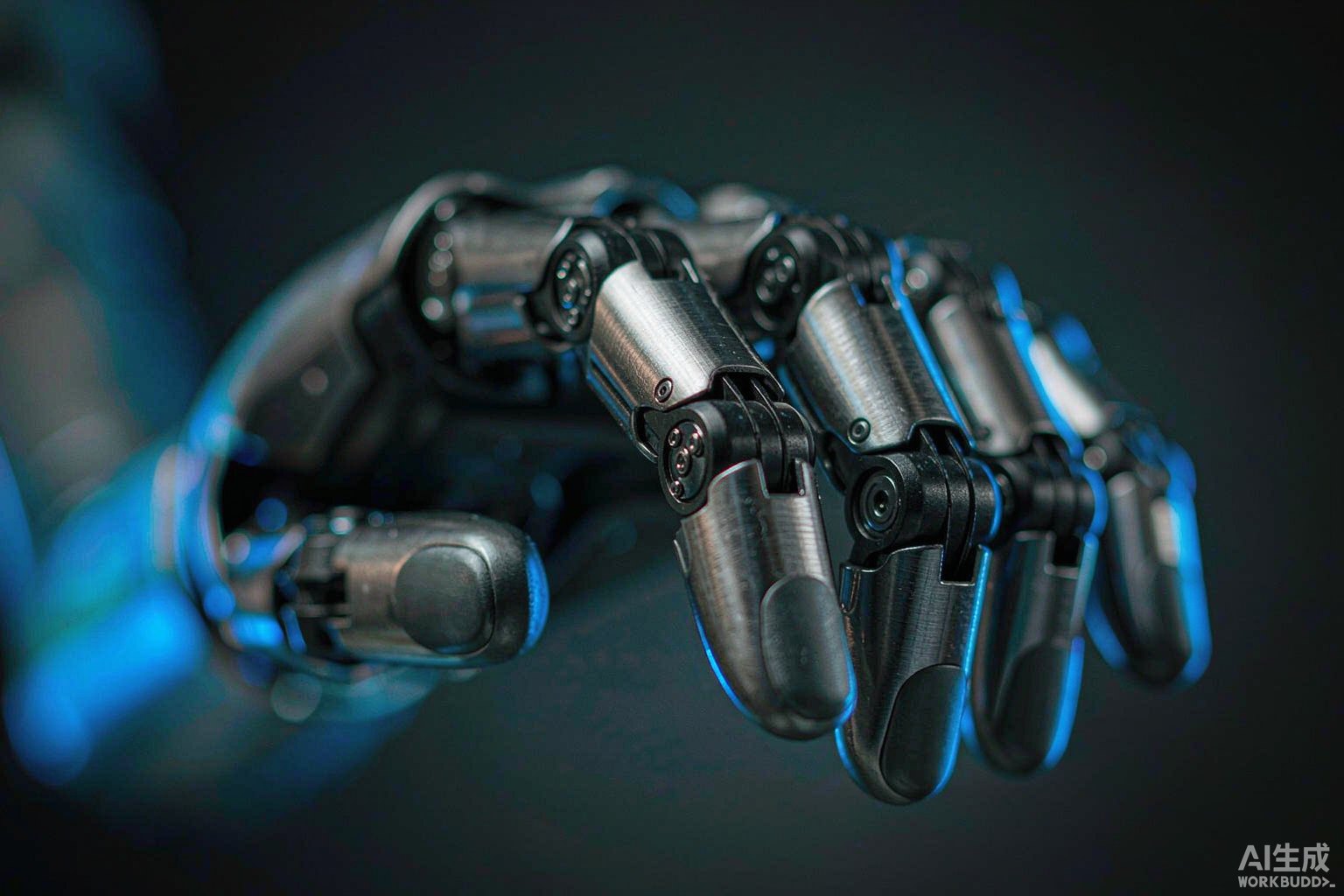
Our second focus industry: M1–M4 high-strength fasteners for dexterous hands, finger linkages and tendon-driven mechanisms, where fasteners see millions of cycles.
Industry
Automotive-grade micro fasteners with PPAP, traceability and vibration validation for control units, sensor housings and battery management systems.
From a single prototype joint to a PPAP production launch, the same team reviews the drawing and the assembly context.