Manufacturing in Bekasi, West Java — Indonesia ISO 9001 · IATF 16949 · ISO 14001 · ISO 45001

Case study

Keeping heatsink clamp load through thermal cycling

An accelerator card was throttling after thermal cycling because heatsink screws were relaxing. Class 12.9 screws with controlled friction held preload through 1,000 cycles.

PCB, Server & Data Center

1,000

Thermal cycles without throttle

12.9

Property class

0.13

Friction coefficient (µ)

−18 °C

Peak-to-peak temperature swing

Client: Data centre equipment manufacturer · Industry: PCB, Server & Data Center

The challenge

What was failing

The card used M3 class 8.8 screws to clamp a 1.2 kg heatsink onto a GPU package through a phase-change thermal interface. After 300 thermal cycles between 25 °C and 85 °C, junction temperature had risen by 9 °C and the card was throttling under sustained load.

Teardown showed the screws had lost 25–35% of their installed preload. The thermal interface material had pumped out of the interface because clamp load was insufficient to keep it in place.

At a glance

  • 1,000 — thermal cycles without throttle
  • 12.9 — property class
  • 0.13 — friction coefficient (µ)
  • −18 °C — peak-to-peak temperature swing

Products specified

Machine Thread · Precoated · Standoffs

The approach

What we changed

Each change addresses a specific failure mechanism rather than tightening a specification in general.

01

Raise the property class, then control friction

M3 class 12.9 screws replaced 8.8, raising the achievable preload. But class alone is not enough — friction scatter between lots was causing ±20% preload variation.

02

Specify and verify the friction coefficient

A zinc-nickel finish with a defined lubricant gave µ = 0.13 ± 0.02, verified by torque-tension testing per lot, so the torque specification produced a predictable preload.

03

Use a hardened washer

A through-hardened washer spread the clamp load and prevented the aluminium heatsink from Brinelling under the head, which had been a secondary source of relaxation.

04

Add encapsulated adhesive

A micro-encapsulated adhesive was applied to the thread to prevent back-off under vibration during shipping, without affecting the installed preload.

05

Validate at temperature, not at room temperature

Break-loose torque was measured at 85 °C after cycling, not at 23 °C, because the relaxation mechanism only appears hot.

The result

Measured outcome

01

Junction temperature rise after 1,000 cycles was held to 2 °C, versus 9 °C on the original design.

02

Preload loss fell from 30% to under 6% after the same cycle count.

03

No throttling under sustained load in the qualification test.

04

The fastener specification — class, finish, µ and torque — was adopted as the platform standard for three card families.

“

The screw was not the problem. The fact that we had never specified its friction coefficient was the problem.

Thermal engineer, accelerator programme

Products used

Specified in this programme

These families carried the joint. A different combination may suit your assembly — the engineering method is the same.

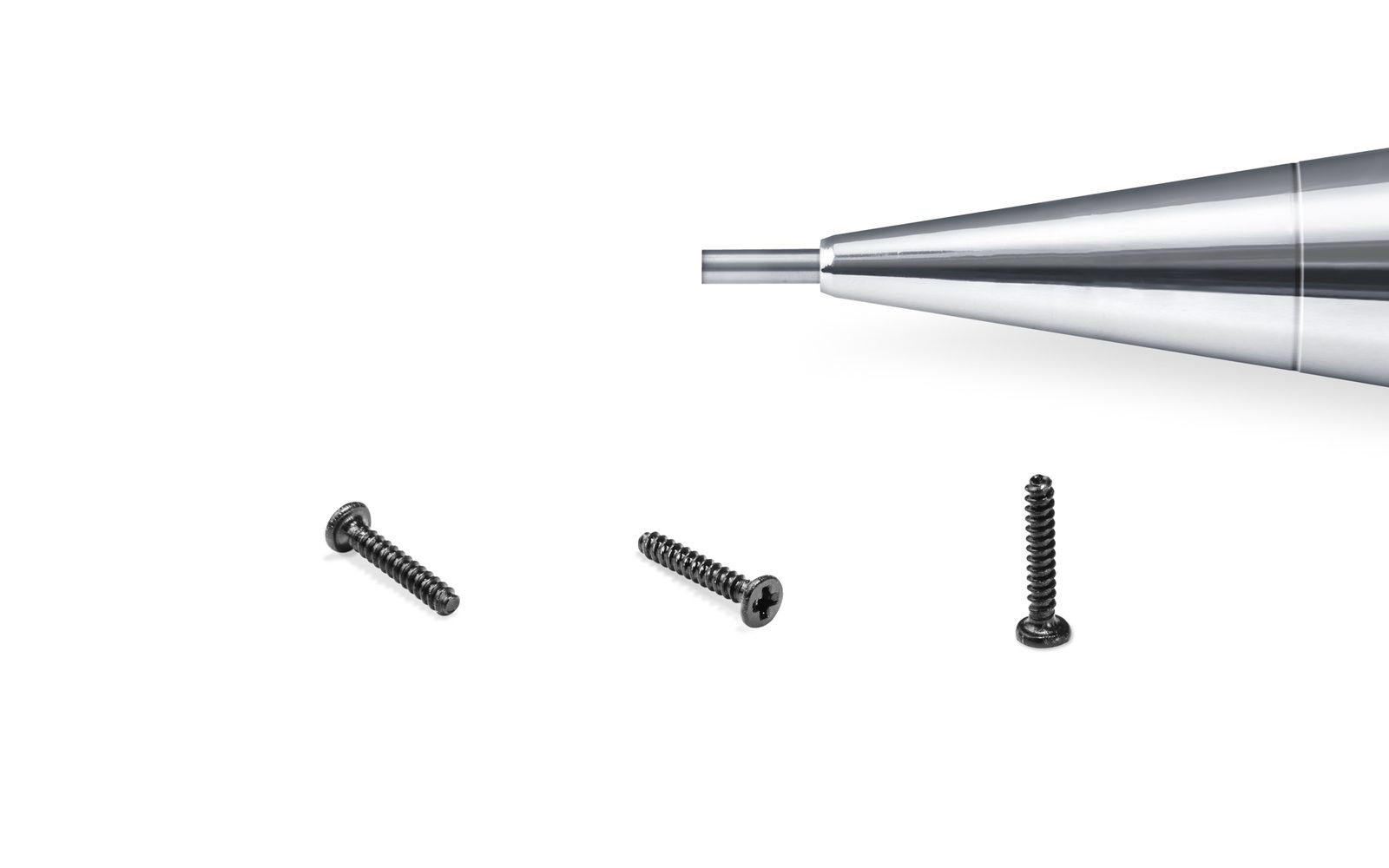
M0.8 machine thread micro screws shown beside a pencil tip for scale

Micro Screws · M0.5 – M6

Machine Thread Micro Screws

Precision machine screws from M0.5 to M6 with rolled Class 6g threads, tight head concentricity and clean drive recesses for automated driving.

Class 6g threadRolled threadStainless / carbon steel
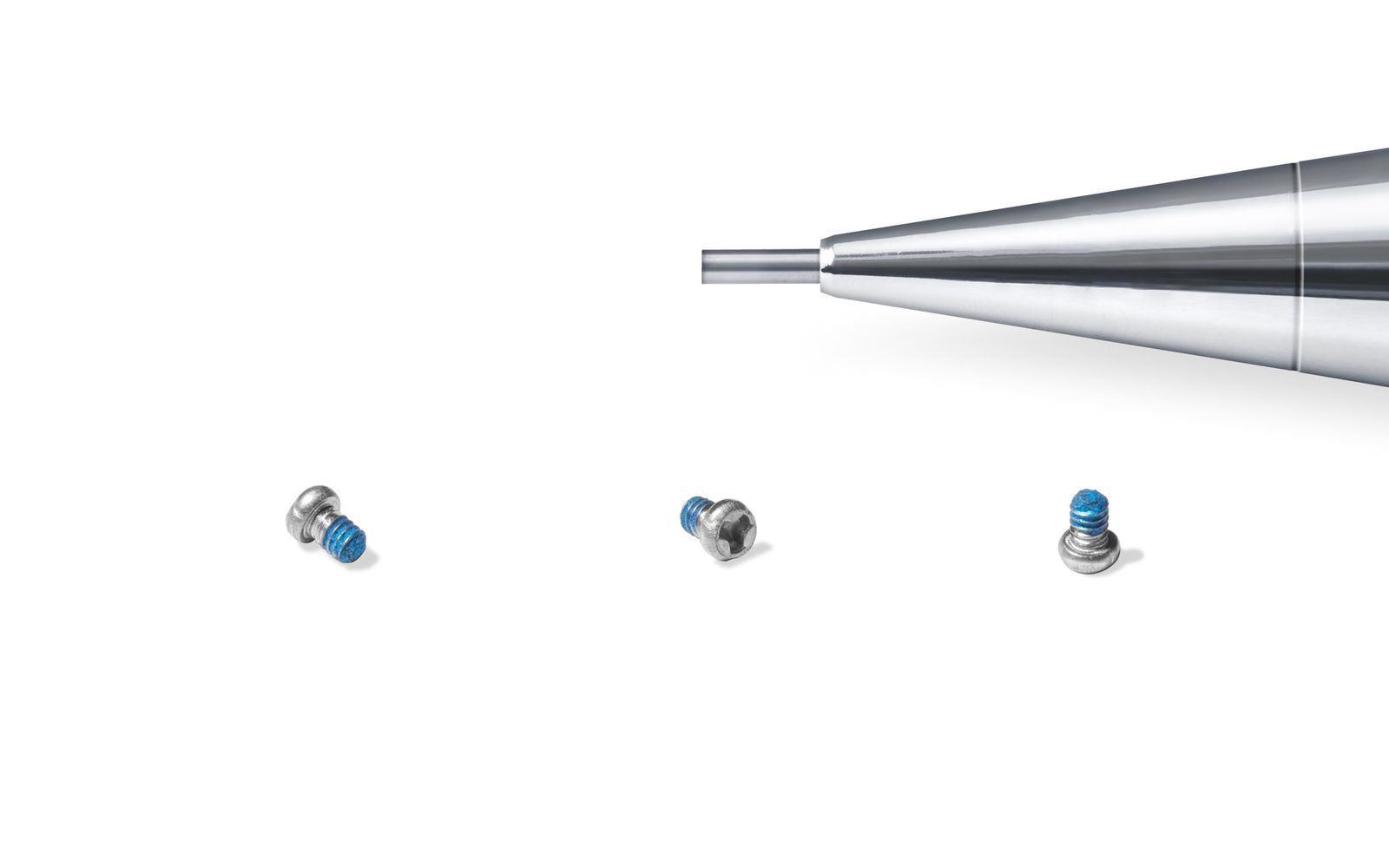
Micro screws with a blue nylon patch threadlocking element

Micro Screws · M0.8 – M6

Precoated Screws

Screws with a factory-applied locking or sealing element, so the assembly line receives a ready-to-drive fastener with no liquid adhesive and no cure time.

Nylon patchMicro-encapsulated3M tape
Female-female threaded standoffs in brass and stainless steel

Precision Components · M1 – M4

Standoffs & Spacers

Male-female and female-female standoffs from M1 to M4, plus plain spacers, in brass, stainless and aluminium — with length tolerances that keep board stacks parallel.

Hex / roundBrass · SS · Al±0.05 mm length

Discuss a similar problem

Send the joint drawing, the cycle count and the failure mode. We will tell you whether the fix is a fastener, a tolerance or a design change.