
More +
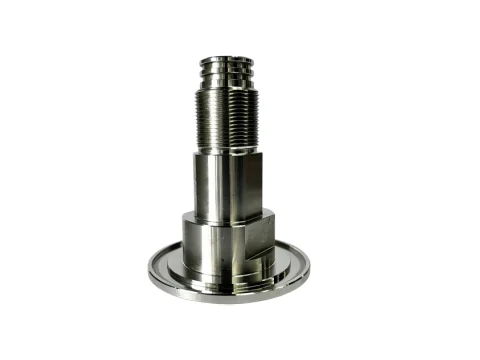
Bonding Studs — Perforated Base
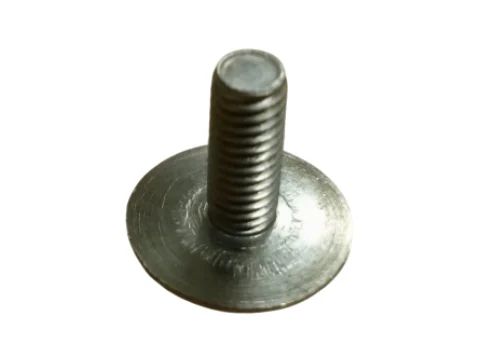
The Bonding Stud with perforated base is a fastener for surfaces that cannot be drilled, riveted or welded. The base is a perforated flange; when it is bonded to a panel, adhesive flows through the holes and cures as a series of plugs. Those plugs act like rivets and turn an adhesive joint into a mechanically interlocked one.
That combination is what makes the stud dependable. Adhesive alone can peel or creep under sustained load, especially with thermal cycling; the perforated base transfers load mechanically through the cured plugs, so torsional and pull-out performance stays stable over the life of the assembly. The precision external thread then provides a normal fastening point for brackets, panels and covers, machined accurately enough for smooth, repeatable assembly.
Installation is non-destructive. No hole is drilled into the substrate, so the structural integrity, sealing surface and appearance of the panel are preserved — a decisive advantage on composite and thin-sheet components where a drilled hole becomes a stress raiser or a leak path.
Widely used in rail transit interiors, new-energy commercial vehicle panels, wind power equipment and carbon fiber structural components, this stud suits industrial scenarios that demand high structural integrity and require reliable external thread support on non-metallic or ultra-thin metal substrates.
It is equally effective on composite sandwich panels and finished surfaces where any drilled hole would be unacceptable for strength or appearance reasons.