
More +
High-Strength Aluminum Alloy Bolts
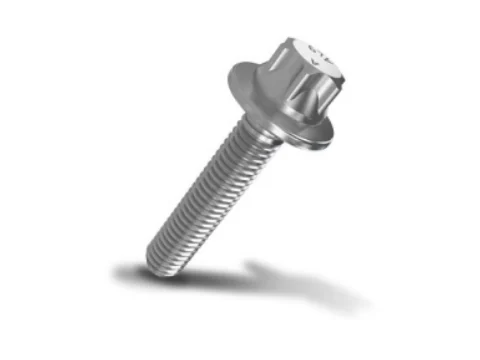
High-Strength Aluminum Alloy Bolts exist to solve a specific lightweighting problem: how to fasten magnesium and aluminum die-cast components without starting a corrosion reaction. When steel fasteners are used in magnesium assemblies, the large difference in electrochemical potential between the two metals drives galvanic corrosion — moisture from rain, condensation or vehicle cleaning is enough to trigger it, and the result is a corroded magnesium substrate and a degraded thread.
Because these bolts are made from high-strength aluminum alloy rather than steel, the potential difference at the joint is far smaller, so the electrochemical driving force for galvanic attack is removed at its source. The connection keeps its integrity in wet and cycled service, and the substrate is protected.
The bolts are produced by cold heading, a process that forms the metal by displacement and produces a continuous grain flow along the shank and thread — the basis of their strength and fatigue performance. The outcome is a high-integrity, maintenance-free joint: strong fastening, predictable clamping and long-term structural reliability in demanding environments, without coatings that can be damaged during installation.
Critical fastening for high-performance and lightweighting sectors, these bolts serve automotive engineering in high-stress engine components and chassis systems, and new-energy-vehicle battery pack and body structures where magnesium die-castings are used.
They also suit any multi-material assembly in which a steel fastener would set up a galvanic couple with a light alloy component.