
More +
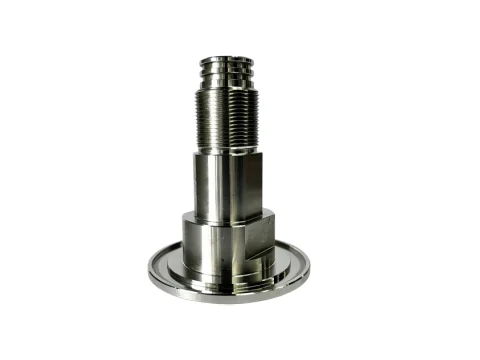
High-Current PCB Terminals (Power Elements)
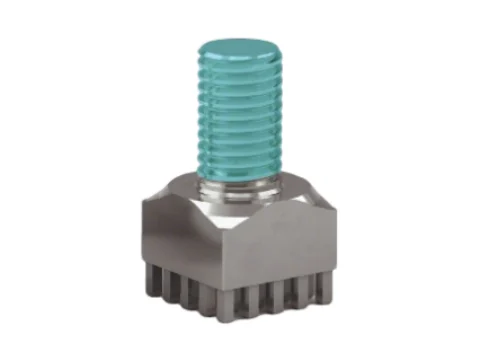
The High-Current PCB Terminal is a solder-mount power element that transfers large currents between a printed circuit board and external busbars, cables or connectors. Where an ordinary pin header would heat up under load, this terminal provides a solid conductive path sized for continuous high-amperage duty.
Each terminal is formed from high-conductivity metal with a generous cross-section, so current flows through the part with minimal resistance and minimal self-heating. The mounting interface is engineered for secure solder-joint integration, which keeps contact resistance low over the life of the product and protects the joint against the thermal cycling typical of power electronics.
Lowering losses at the connection point reduces hotspot risk on the board and helps the entire power stage run cooler, which in turn supports higher current density and longer service life of neighbouring components.
Primarily used in new-energy vehicles, energy storage systems, industrial power supplies and EV charging infrastructure. These applications share one requirement — a high-current, high-reliability PCB connection that stays cool and stable over thousands of operating hours — which is precisely the job this terminal is designed to do.
It also serves motor controllers, on-board chargers and DC-DC converters, where a compact, low-loss solder interface simplifies the power layout and reduces assembly steps.