

Sheet Metal Assembly: Self-Clinching Fasteners vs Welding vs Through-Bolting
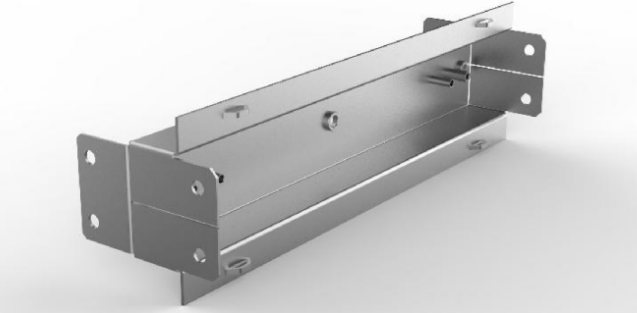
Threads in 1.5 mm steel sheet are a design problem, not a machining problem. The industry answers it three ways, and the choice shapes the whole assembly line.
Self-clinching fasteners
A clinch nut or standoff presses into a punched hole; displaced sheet metal flows into an undercut groove and locks it permanently. Threads are full-strength steel, installed in seconds by press, repeatable across thousands of panels. The constraints: sheet ductility and hardness ratio (sheet must be softer than the insert), minimum hole-to-edge distance, and a press operation in the fabrication flow.
Weld nuts
Projection-weld nuts carry heavier loads and tolerate harder sheet, but need welding access, distortion control and a weld station with its own quality regime.
Through-bolting with inserts
Where the panel assembles to structure with a bolt passing through, wire inserts or self-tapping inserts in a thicker local boss keep threads repairable.
Choosing by volume
High-volume enclosures favor clinching — no heat, no rework; low-mix heavy equipment favors weld nuts. Topprecision manufactures clinch hardware and insert families, and its engineers review panel drawings to match the method to the volume before tooling commits.