

Hydrogen Embrittlement: The Silent Risk Inside Plated High-Strength Fasteners
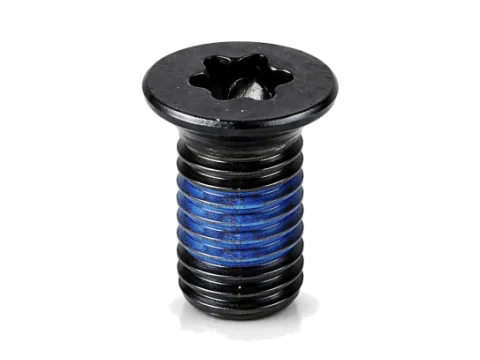
Hydrogen embrittlement (HE) is the most insidious fastener failure: parts pass every inspection, install normally, then crack under load hours or weeks later with no warning.
Where the hydrogen enters
Acidic plating and pickling generate atomic hydrogen at the steel surface; it diffuses interstitially and concentrates at high-stress regions — thread roots above all. Above roughly 1,000 MPa hardness (common in 12.9 and stronger), the local hydrogen concentration can exceed the steel's threshold and initiate delayed brittle fracture.
The control chain
- Minimize acid contact time and current density during plating of high-strength parts.
- Bake within one hour of plating — typically 190–220 °C for 8–24 h depending on class — to drive hydrogen out before it traps.
- Prefer mechanical plating or zinc flake coatings for classes above 10.9; they avoid hydrogen generation entirely.
The re-embrittlement trap
Field service that re-plates used high-strength hardware recreates the risk with none of the controls — prohibit it in maintenance manuals. Topprecision applies zinc-flake systems on its high-strength range as standard, with baking records per lot and HE test documentation for safety-critical applications.