

Passivation and Pickling: Why Stainless Corrosion Resistance Lives in the Finish
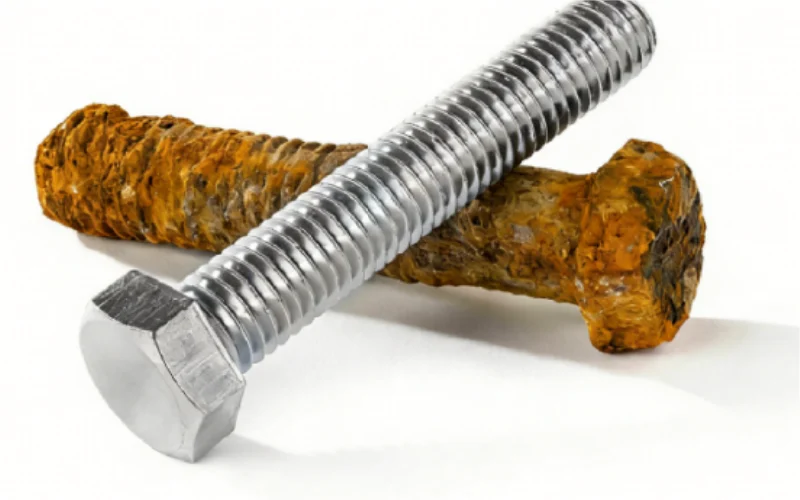
“Stainless” describes the passive chromium-oxide film, not the bulk metal. Machining, stamping and handling all damage that film — passivation restores it.
What passivation actually does
An acid bath (nitric or citric per ASTM A967 / AMS 2700) dissolves free iron smeared onto the surface during forming — from tooling contact, steel brushes, or grit from shared equipment. Free iron is corrosion initiation site number one; remove it and the chromium forms a continuous, self-repairing oxide.
When passivation is not enough
- Heat-tinted weld zones need pickling first — passivation cannot remove thick oxide scale.
- Severe service (marine, chemical) may warrant ASTM A967 Nitric 2 or citric-plus treatments verified by ferrite testing.
- Contaminated finishing lines can re-infect parts; dedicated stainless equipment matters.
Verification, not faith
Water-immersion and copper-sulfate tests confirm film quality cheaply; salt-spray validation closes the loop for critical parts. Topprecision passivates its stainless fastener range per A967 with per-lot test records, and advises customers on handling practices that keep the film intact between our plant and their assembly line.