

The Anti-Loosening Design Checklist: 8 Questions Before You Freeze the Joint
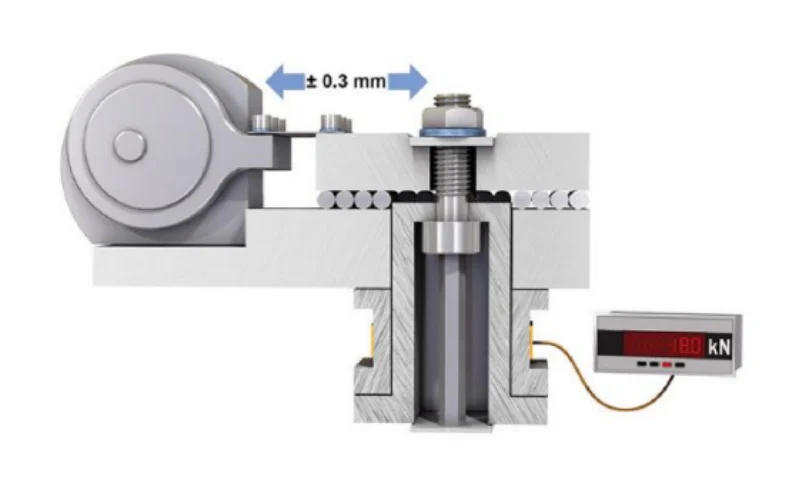
Loosening problems discovered on the test bench are expensive; discovered in the field, they are recalls. The cheapest fix is a design review that asks the right questions early.
The eight questions
- What loads the joint sees — and are they transverse? Transverse slip, not axial load, kills preload.
- Is clamp length maximized? Longer bolts flex and resist slip; stack washers instead of short stubs.
- What is the friction budget? Surface finish, coating and lubrication set preload scatter.
- How many assembly cycles over life? Reusability rules out many patch systems.
- What temperature range? Nylon dies at 120 °C; all-metal locks survive far beyond.
- Is the parent thread soft? Aluminum and magnesium parents want inserts, not raw threads.
- Any access covers or FOD requirements? Captive hardware is cheaper than debris damage.
- How will you verify? Define the Junker or shake-table acceptance curve before sourcing.
Make it a gate, not a memory
Put the checklist into the drawing-review template so no joint ships without answers. Topprecision's engineering team runs this exact review with customers during RFQ — it shortens qualification cycles because the joint is right the first time.