

Torque Control Realities: 90% of Your Tightening Torque Never Becomes Preload
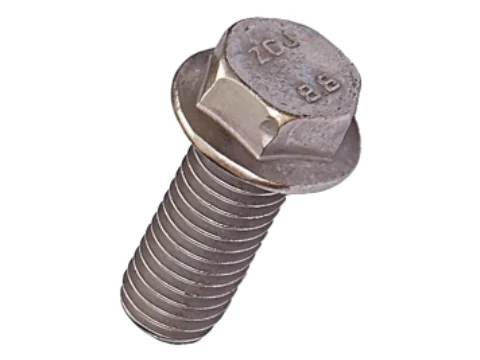
The most misunderstood number in fastening is the torque-preload relationship. Roughly 50% of tightening torque is consumed under the head, 40% in the threads, and only ~10% becomes bolt stretch.
Why the split matters
Because friction coefficients vary run-to-run, torque control carries a ±25–35% preload scatter even with calibrated tools. A joint specced at the edge of proof load by torque alone will occasionally see bolts yield — or worse, joints that see too little preload and loosen. Design margin must absorb the scatter, not just the mean.
Tightening strategies in order of accuracy
- Angle-controlled (turn-of-nut): preload from rotation, ~±15%.
- Yield-controlled: the tool detects the torque-gradient knee, ~±8%.
- Ultrasonic bolt stretch: direct length measurement, ~±4%.
Practical steps for torque-controlled lines
Specify surface finish and lubrication on the drawing, not just torque — they change the friction split more than any tool upgrade. Re-verify K-factor when switching coating lots. Topprecision supplies friction-coefficient data for its coated screw range and supports customers in setting torque windows that survive audit and reality alike.