

Prevailing Torque, Nylon Patches or Deformed Threads: Picking a Locking Method
Every anti-loosening method buys security with some trade-off. The trick is matching the trade-off to your service environment.
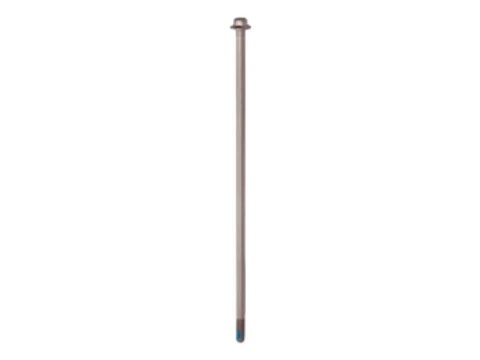
Nylon patch screws (pre-applied)
A nylon patch in the thread creates strong prevailing torque cheaply and suits M2–M12 consumer and automotive hardware. Its limits: 120 °C continuous temperature, sensitivity to oil on installation, and a finite reassembly count — typically two or three before the patch is spent.
All-metal prevailing torque
Deformed-thread screws, serrated flanges and locking inserts survive 300 °C+, shrug off solvents and keep locking through many assembly cycles. They cost more than patches and add installation torque, which must be budgeted into your torque spec.
Positive locking
Cotter pins, lock wire and keyed inserts do not rely on friction at all — they physically prevent rotation. For safety-critical flight and rail hardware, this is the specification answer when friction methods are not certifiable.
The decision matrix
Temperature first, then reassembly count, then vibration severity, then cost. Toprecision manufactures patch-screws in-house and also offers all-metal locking fasteners, so we can quote both variants of the same drawing and let test data decide — no specification lock-in.