

Thread-Locking Adhesives and Mechanical Locks: Redundant or Better Together?
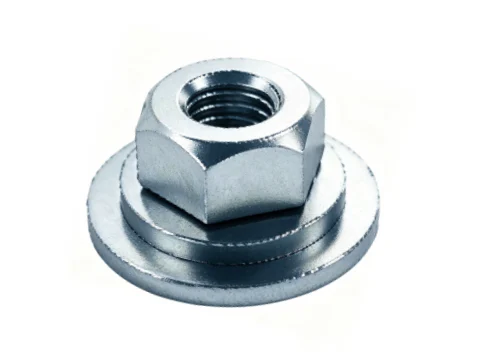
A common production question: if the screw already has a nylon patch — or sits in a locking insert — should the line still apply anaerobic threadlocker?
When combining makes sense
Use both when the failure modes differ: the mechanical lock resists rotation, while the adhesive seals the thread and blocks capillary corrosion paths. Sealed battery enclosures, underwater sensors and outdoor telecom hardware genuinely benefit from the sealing property even when the lock is already mechanical.
When it is waste
If the only requirement is vibration security, the adhesive adds a curing dependency, a shelf-life item and an application station — while the mechanical lock already does the job. Worse, in high-temperature service the adhesive carbonizes and its debris can foul the lock geometry.
Compatibility notes
- Primers for anaerobic adhesives can attack some nylon patches; check the chemistry matrix.
- Assembly torque must include prevailing torque of the lock, or the adhesive sees under-torque.
- Disassembly temperature limits differ: specify the lower of the two systems.
Toprecision application engineers keep a compatibility chart of patch chemistry versus major threadlocker brands and will review your stack-up before the process is frozen — usually the fastest way to delete a station from the line.