
Fasteners for the Low-Altitude Economy: What Drones and eVTOL Demand from Hardware
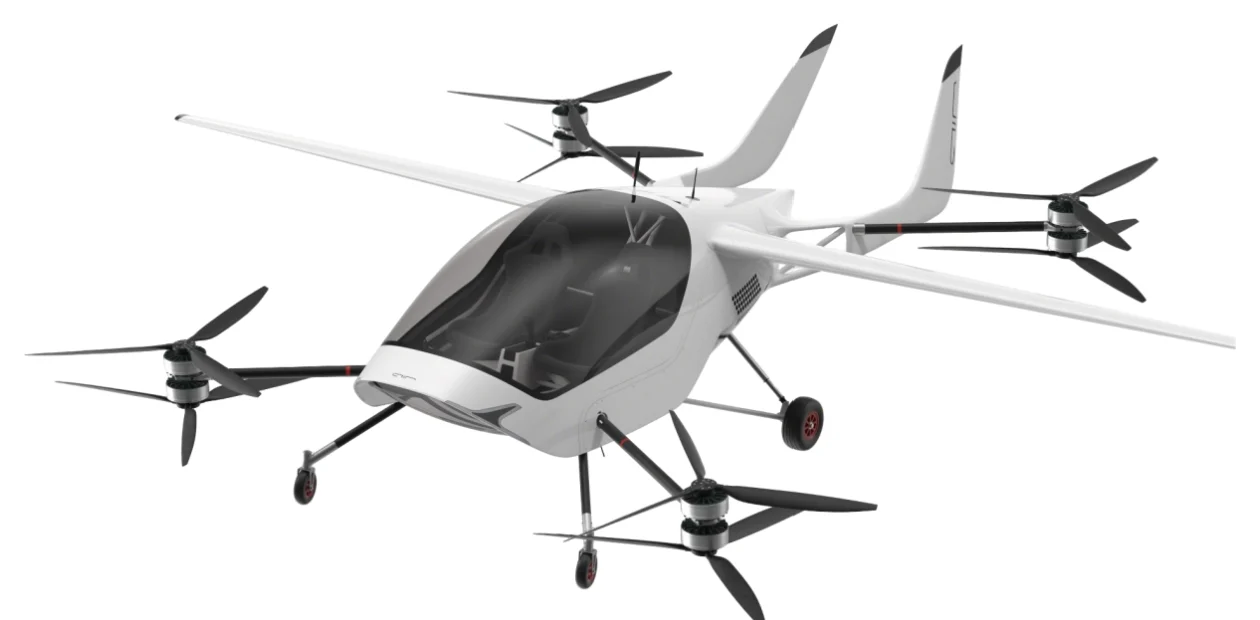
From inspection quadcopters to passenger-carrying eVTOL aircraft, the low-altitude economy is scaling fast — and it inherits the aerospace rulebook along the way. At altitude, a bolted joint is never just a fastener: it is a mass budget line, a fatigue calculation and a certification question all at once.
Lightweight is not optional
Every gram of hardware is multiplied by battery capacity. Aluminum alloy bolts in the ZT68 series and titanium-grade options let airframe engineers hold structural joints at a fraction of the mass of steel equivalents, while high-strength aluminum sleeves and standoffs stiffen composite and machined housings without adding counterweights.
Vibration is the real enemy
Propulsion systems expose airframes to broadband vibration that loosens conventional joints within hours. The fastening answer is layered: pre-applied adhesive threads, serrated flanges, and where panels must open frequently, bonding studs with captive retention. Each layer targets a different failure mode, and together they keep maintenance intervals honest.
- Pre-applied microencapsulated adhesive for threads that must never back off.
- Wide-base bonding studs for thin composite skins and 3C-grade housings.
- Self-clinching hardware for thin sheet-metal battery enclosures — no welding distortion.
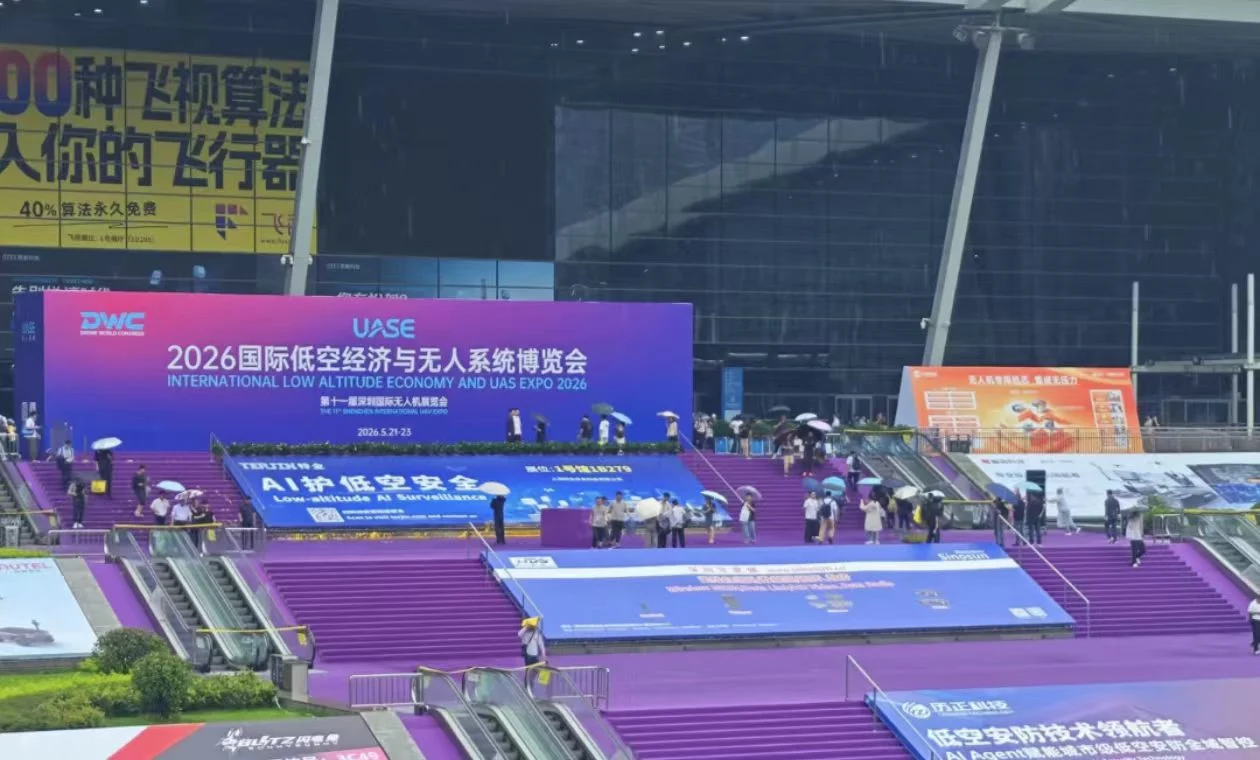
Toprecision recently presented its low-altitude fastening portfolio at the 2026 World Drone Congress, and the interest confirmed a trend: drone OEMs are professionalizing their hardware supply chains, demanding lot traceability, PPAP-style documentation and joint-engineering support that used to be reserved for automotive tier-1s. We are ready for that conversation.