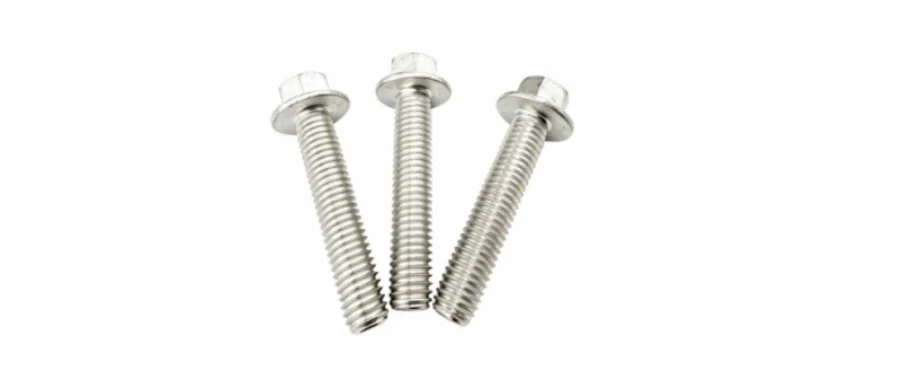

ZT68 High-Strength Aluminum Alloy Bolts: Lightweight Fastening for NEV Battery Packs
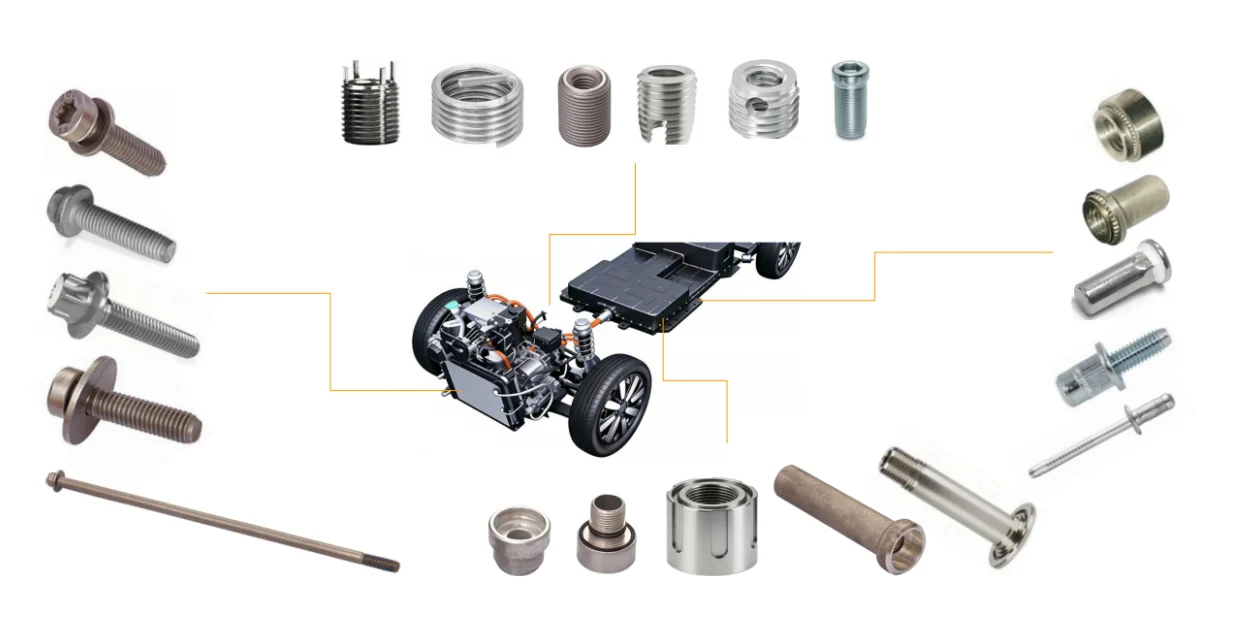
Weight is the hardest currency in the electric vehicle economy. Every kilogram removed from a battery pack translates directly into range, and few components illustrate the opportunity better than the fasteners that hold the pack together. A typical pack assembly can carry hundreds of bolts; replacing conventional steel hardware with high-strength aluminum alloy bolts can remove kilograms of mass from the vehicle before a single cell is repositioned.
The ZT68 cold-formed 7-series high-strength aluminum alloy bolt was developed by Toprecision specifically for this duty. Through controlled cold heading and precision heat treatment, the bolt achieves a tensile strength above 600 MPa — a level that was long considered out of reach for aluminum fasteners — while weighing roughly one third of an equivalent steel bolt.
Why aluminum solves two problems at once
In battery systems, fasteners face more than mechanical load. Steel bolts in contact with aluminum housings or busbars create galvanic pairs that accelerate corrosion, especially in humid coastal climates and on winter-treated roads. A ZT68 bolt eliminates the dissimilar-metal interface at the source, and its naturally formed oxide layer provides continuous protection without additional coatings.
Thermal cycling is the second silent killer of bolted joints. Battery packs routinely swing from sub-zero charging conditions to 60 °C and beyond during fast charge. Because the ZT68 bolt and the aluminum structures around it share nearly the same coefficient of thermal expansion, clamp load remains far more stable across temperature swings than a steel-aluminum pair.
Engineered for high-volume automated assembly
- Cold-formed blank with rolled thread for superior fatigue performance and a flawless surface finish.
- Consistent pre-load behavior verified on batches assembled with automated tightening stations.
- Compatible with existing socket-head tooling — no line retooling required for most pack designs.
- Optional pre-applied adhesive and sealing variants for vibration- and IP-critical joints.
For engineers balancing range targets against cost and safety, the ZT68 offers a rare win-win: meaningful mass reduction, long-term joint stability, and a simpler corrosion story for the whole pack. Sample kits and joint-design support are available from the Toprecision engineering team.