

Surface-Mount Threaded Inserts: Threads After the Oven, Not Before
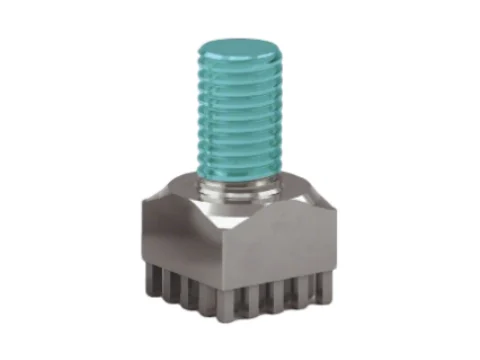
Plastic enclosures assembled after electronics build need metal threads for screws. The conventional route is ultrasonic or heat-staking after molding; the newer route is placing inserts in reflow alongside everything else.
Two mounting styles
Board-mounted versions solder onto SMT pads and present a metal thread to the enclosure screws — ideal when the PCB itself is the structural deck, as in camera modules and sensor stacks. Housing-mounted versions have solder pins that enter molded-in holes; reflow heat of the subsequent board assembly reflows the joint, or a dedicated oven step anchors them.
Design rules that prevent rework
- Match pin geometry to pad finish (ENIG versus OSP changes wetting).
- Confirm the insert survives your peak temperature and ramp slope twice — rework happens.
- Check torque ratings: SMT-anchored threads pull out at lower torque than molded-in brass; specify screw length accordingly.
Who benefits most
Any line that currently pauses automation for a staking operation. Topprecision supplies SMT inserts on tape-and-reel with land-pattern files, and will joint-review your mold drawings to align pin positions with existing pad real estate.