

Salt Spray Hours Explained: Reading ISO 9227 Results Without Being Fooled
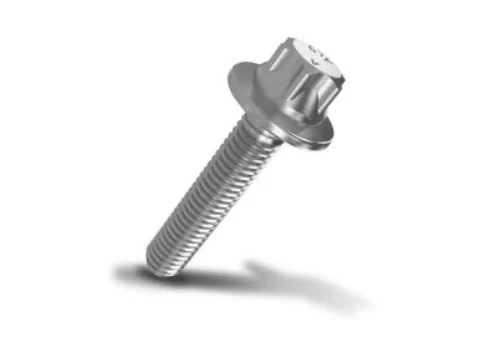
Corrosion hours are fastener marketing's favorite number — and its most abused. Understanding ISO 9227 prevents both over-buying and under-specifying.
What the test actually does
Neutral salt spray (NSS) mists a 5% NaCl solution at 35 °C onto samples in a closed chamber. It is a constant-condition accelerated exposure — no UV, no wet-dry cycling, no mechanical stress. That simplicity is both its value and its limitation: it ranks coatings on one axis while the field stresses five.
Four comparison traps
- Different standards (ISO 9227, ASTM B117, cyclic tests like VDA 621-415) produce non-comparable hours.
- Red rust versus base-metal corrosion: zinc systems are often quoted to "white rust," a far earlier milestone.
- Plated coupons versus assembled joints: crevices under heads change results dramatically.
- Single lot data: coating thickness varies with part geometry; rack position matters.
Use it as a screen, then test the joint
Treat salt-spray hours as a coating qualification screen, and validate the real fastened joint under cyclic corrosion plus thermal stress. Topprecision reports both NSS hours and cyclic-test data where applications demand it, always stating which standard, which milestone and which lot.