

Through-Hole or Blind-Hole? Insert Strategies for Thin-Walled Castings
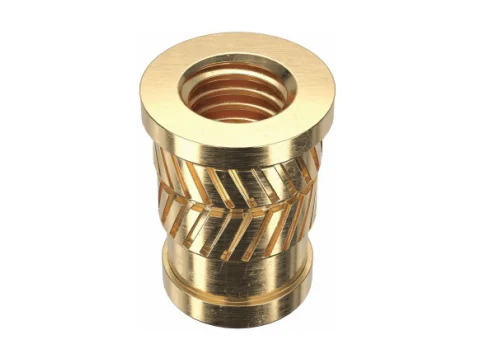
Boss design on a thin-walled die casting is a balancing act: enough metal for the thread, not so much that the casting sinks or warps. The insert strategy you pick shapes both.
Through-holes: honest and forgiving
A through-hole lets chips escape, allows full-length STI taps, and makes gaging trivial. Where the housing geometry permits it, put the insert in a through-boss and close the far side with a cap or seal. This is the lowest-risk option for automated installation because depth control errors cannot crush the insert.
Blind-holes: compact but demanding
Blind bosses save height and keep sealing surfaces continuous, but they introduce three classic failures:
- Bottoming the insert, which unloads the last two turns of thread.
- Trapped chips causing false torque and galled threads.
- Insufficient tap clearance depth — the tap stops before full thread form.
The fix is dimensional discipline: tap depth = insert length + 2P, drill relief below the tap, and blown-out holes before insertion.
A hybrid worth considering
For high-volume housings, mold the boss with a through pilot and let the insert create its own blind internal thread — self-tapping inserts make this practical and remove the tap station entirely. Toprecision application engineers routinely review casting sections and recommend the shorter total-cost route.