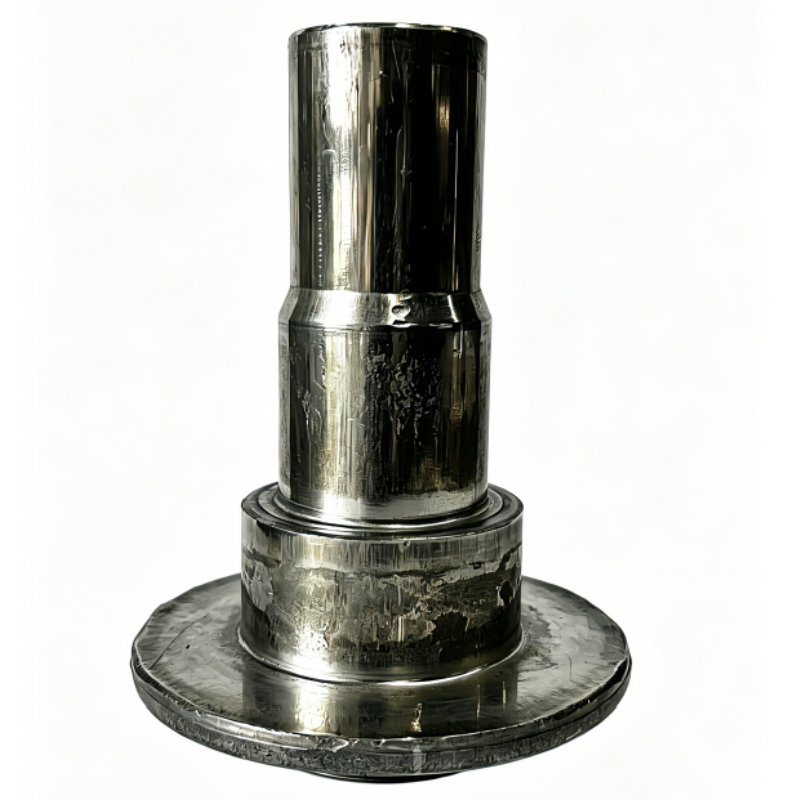
6061 Aluminium Alloy Sleeve
6061 Aluminium Alloy Sleeve, Aluminium Alloy, Anodised, for lightweighting, light alloy die-casting.
| Material | Aluminium alloy |
|---|---|
| Tensile Strength | 600 MPa cold-headed 7-series |
| Finish | Anodised |
| Weight Comparison | About 60% lighter than a steel part of the same size |
| Features | Lightweight, for humanoid robots / embodied AI |
| Environmental Compliance | REACH and RoHS compliant |
Overview
High-strength aluminium sleeves and bolts replace steel fasteners where mass reduction matters, using alloys and forming processes that reach strengths previously limited to steel. The design problem is not only strength: aluminium has a lower elastic modulus and a different galvanic position, so joint design, preload and coating all change compared with a steel fastener. This listing: material Aluminium alloy, tensile strength 600 MPa cold-headed 7-series, finish Anodised, weight comparison About 60% lighter than a steel part.
What sets this listing apart: Features Lightweight, for humanoid robots.
Advantages
Cold forming aligns grain flow with the load path, giving fatigue performance that machined aluminium cannot match.
Correct coating and isolation prevent the galvanic corrosion that otherwise appears when aluminium contacts steel in a humid environment.
Density at roughly one third of steel means a weight saving at every fastener location, which compounds across a large assembly.
Applications
Battery electric vehicle structures, robot arms where inertial mass affects dynamics, drone and UAV airframes, and portable equipment with a weight budget.
Aluminium joints lose preload faster than steel under thermal cycling because of the higher expansion coefficient: specify preload with a relaxation allowance, and isolate the fastener from steel mating parts.
Product information is supplied by Toprecision. Custom parts can be produced to drawing — contact us for samples or a quotation.
Specifications across this series
3 parts in this series
| Part | Material | Finish | Tensile Strength | Weight Compariso… |
|---|---|---|---|---|
| 6056 (AL9) Aluminium Alloy Bolt · Aluminium alloy / Anodised / 600 MPa cold-headed 7-series | Aluminium alloy | Anodised | 600 MPa cold-headed 7-series | About 60% lighter than a steel part of the same size |
| ZT68 600MPa Cold-Headed 7-Series High-Strength Aluminium Alloy Bolt · Aluminium alloy / Anodised / 600 MPa cold-headed 7-series | Aluminium alloy | Anodised | 600 MPa cold-headed 7-series | About 60% lighter than a steel part of the same size |
| 6061 Aluminium Alloy Sleeve · Aluminium alloy / Anodised / 600 MPa cold-headed 7-series | Aluminium alloy | Anodised | 600 MPa cold-headed 7-series | About 60% lighter than a steel part of the same size |
Values are taken from each part’s own attribute set. Changing length, material or finish changes pull-out strength and installation torque, so compare the row that matches your drawing.
Selection and test data: engagement length, standards, salt-spray hours
FAQ
What are the key dimensions of this part?
Material Aluminium alloy, Tensile Strength 600 MPa cold-headed 7-series, Finish Anodised, Weight Comparison About 60% lighter than a steel part.
What material and finish is it supplied in?
Aluminium alloy; Anodised.
What should I verify before ordering or installing it?
Aluminium joints lose preload faster than steel under thermal cycling because of the higher expansion coefficient: specify preload with a relaxation allowance, and isolate the fastener from steel mating parts.